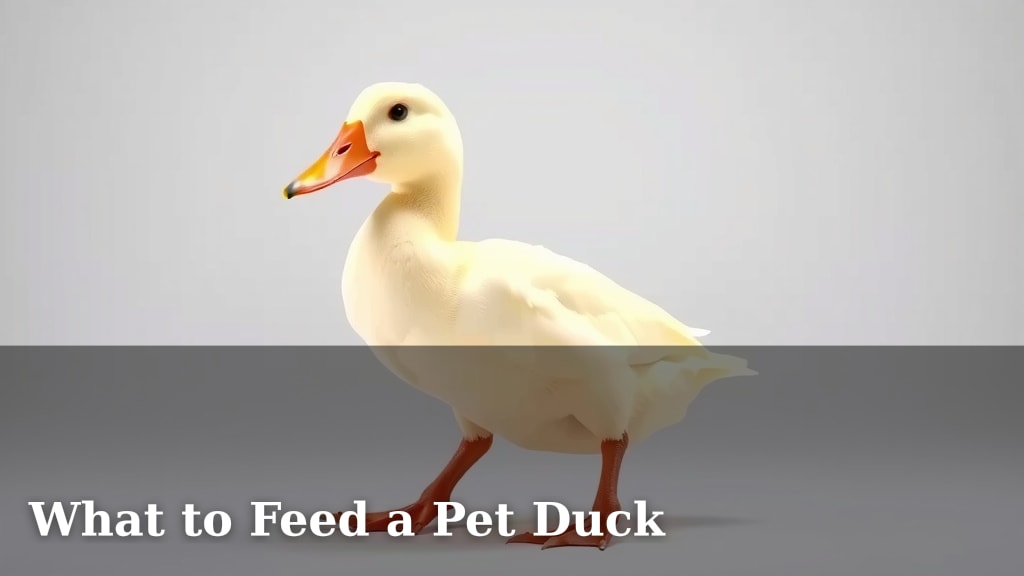
What to Feed a Pet Duck
Feeding your pet duck is simpler than you might think! For ducklings, a specialized waterfowl starter feed is best, offering the right balance of protein and nutrients. Adult ducks thrive on a layer feed formulated for laying hens, supplemented with plenty of greens and occasional treats. Always ensure they have access to clean, fresh water for drinking and bathing.
Choosing the right food is vital for your duck’s health and happiness. While commercial feeds are a great base, variety is key to a well-rounded diet. Think of it like your own meals – a little bit of everything keeps things interesting and healthy! We found that incorporating leafy greens and a few safe fruits can make a big difference in their well-being and even their egg production.
- Ducklings need specialized starter feed.
- Adult ducks do well on layer feed.
- Always provide fresh water.
- Leafy greens are an important supplement.
- Treats should be given sparingly.
Ready to get your duck’s diet dialed in? Let’s dive into the specifics of what you should be putting in their bowls (and water!).
Understanding Your Duck’s Dietary Needs
So, you’re wondering what to put in your duck’s food bowl? It’s a great question, and the answer depends a bit on their age. Getting their nutrition right means a healthier, happier duck for you.
Duckling Nutrition: The Critical First Weeks
Baby ducks, or ducklings, have very specific nutritional requirements. They need a feed that’s high in protein to support rapid growth. Many experts recommend a starter feed designed specifically for waterfowl. This isn’t just any feed; it’s formulated to give them everything they need from day one.
A common mistake is feeding ducklings chick starter. This can be too low in niacin, an essential B vitamin for ducks. We found that using a dedicated waterfowl starter feed significantly reduces the risk of developmental issues. Always check the label to ensure it’s appropriate for ducklings.
Why Waterfowl Starter Feed is Best
Research points out that waterfowl starter feeds typically have a higher protein content than chick starters. This supports bone development and muscle growth. They also often contain the correct vitamin and mineral balance. For example, niacin is much more concentrated in waterfowl feeds (NCBI).
You’ll want to feed this starter feed until your ducklings are about 6-8 weeks old. After that, you can transition them to a different feed appropriate for their age and your duck’s purpose. This transition period is important. Don’t switch their food too abruptly.
Adult Duck Diets: Beyond the Starter Feed
Once your ducks are grown, their dietary needs change. They don’t require as much protein as growing ducklings. For most adult ducks, a good quality layer feed is an excellent base. This is the same feed often used for laying hens.
Layer feed provides the necessary calcium and other nutrients for egg production, which is important if you have laying ducks. We found that feeding a layer feed to all adult ducks, regardless of whether they lay eggs, generally meets their maintenance needs well. It’s a widely accepted practice among experienced duck keepers.
The Role of Greens and Vegetables
While commercial feed is the foundation, it shouldn’t be their entire diet. Ducks love to forage and eat greens. Adding plenty of fresh, leafy greens to their diet is highly beneficial. Think of it as their salad course!
You can offer things like romaine lettuce, spinach, kale, and other dark, leafy vegetables. These provide essential vitamins and minerals. We found that ducks can become quite excited about their greens. It’s a great way to supplement their diet naturally. Just make sure to chop larger leaves into manageable pieces for them.
Safe Fruits and Veggie Treats
Fruits and other vegetables can be given as occasional treats. Ducks generally enjoy a variety of these. Good options include berries, melon, peas, and corn. These should be given in moderation, though. They are treats, not a main food source.
Always wash fruits and vegetables thoroughly before feeding them to your ducks. Avoid feeding them anything that is moldy or spoiled. Many sources advise against feeding citrus fruits in large quantities, as they can be too acidic for some ducks (University Extension Services).
Essential Considerations for Duck Feeding
Beyond the type of food, how you feed your ducks and what you offer alongside their meals is just as important. Water and supplements play a big role.
The Absolute Necessity of Fresh Water
This cannot be stressed enough: ducks need access to water. They use it for more than just drinking. Ducks also need water to clean their eyes and nostrils, and to help them swallow their food.
If your ducks only have access to shallow water dishes, they might struggle to properly clean themselves or even eat comfortably. We found that providing a water source deep enough for them to submerge their heads is ideal. A kiddie pool or a large tub works wonderfully for this purpose. This also allows them to engage in natural bathing behaviors.
What to Avoid in a Duck’s Diet
Just as important as knowing what to feed your ducks is knowing what to avoid. Some common human foods can be harmful. For instance, avoid feeding them bread or other processed grains as a staple. While a tiny bit of plain bread might not harm them, it offers little nutritional value and can lead to health problems if fed regularly.
Also, avoid feeding them anything with excessive salt or sugar. Avocados can also be problematic due to a toxin called persin. Research consistently shows that a balanced diet is key, and avoiding these items helps maintain that balance (Poultry Science Journals).
Supplementing for Health and Happiness
Sometimes, you might want to offer extra nutritional boosts. Nutritional supplements like brewer’s yeast can be beneficial. Brewer’s yeast is a good source of B vitamins, which are crucial for your ducks’ overall health and can help deter pesky external parasites. You can sprinkle a small amount onto their feed a couple of times a week.
Other supplements like oyster shell (for extra calcium) can be offered free-choice, especially to laying ducks. We found that observing your ducks and their droppings can give you clues if they might need additional support. However, always consult with a poultry veterinarian before adding extensive supplements.
Your Duck’s Feeding Checklist
To make sure you’re covering all the bases, here’s a quick checklist:
- Offer specialized waterfowl starter feed for ducklings.
- Transition to a quality layer feed for adult ducks.
- Always provide plenty of clean, fresh water deep enough for head-dunking.
- Supplement their diet with a variety of leafy greens daily.
- Give fruits and vegetable scraps as occasional, small treats.
- Avoid feeding bread, salty foods, sugary snacks, and avocados.
By following these guidelines, you’ll be well on your way to keeping your feathered friend well-fed and healthy. It’s all about balance and providing them with what they naturally need.
Conclusion
You’re now equipped to provide your pet duck with a diet that supports their health and happiness. Remember, ducklings need that specialized waterfowl starter, and adults thrive on layer feed, always enhanced with fresh greens. Access to clean, deep water is non-negotiable for their well-being and natural behaviors. By offering a balanced mix of appropriate foods and avoiding common pitfalls like too much bread, you’re giving your duck the best chance at a long, vibrant life. Your next step is to review your current duck food options and make any necessary adjustments to ensure you’re meeting their nutritional needs.
Frequently Asked Questions
Can I feed my ducks the same food as my chickens?
While there’s some overlap, it’s best not to. Ducklings especially need a specialized waterfowl starter feed due to higher niacin requirements. Adult ducks can do well on layer feed, but ensuring it’s formulated for waterfowl or supplemented properly is key to avoiding deficiencies.
How much water do ducks really need?
Ducks need water not just for drinking but for cleaning their eyes and nostrils, and for swallowing food. They require water deep enough to submerge their entire heads. A small pool or large tub is much better than a shallow dish for meeting their needs.
What are some safe and healthy treats for my ducks?
Ducks enjoy a variety of safe fruits and vegetables as occasional treats. Good options include berries, melon chunks, peas, and corn. Always wash produce thoroughly and offer these in moderation to keep their diet balanced.
Is it okay to feed my ducks bread scraps?
Feeding ducks bread scraps regularly is not recommended. Bread offers very little nutritional value and can lead to health issues if it becomes a staple in their diet. It’s best to stick to their specialized feed and fresh greens.
When should I switch my duckling’s food?
You should transition your duckling away from starter feed when they are about 6 to 8 weeks old. After this period, you can gradually switch them to an adult duck or layer feed appropriate for their age and any laying status.