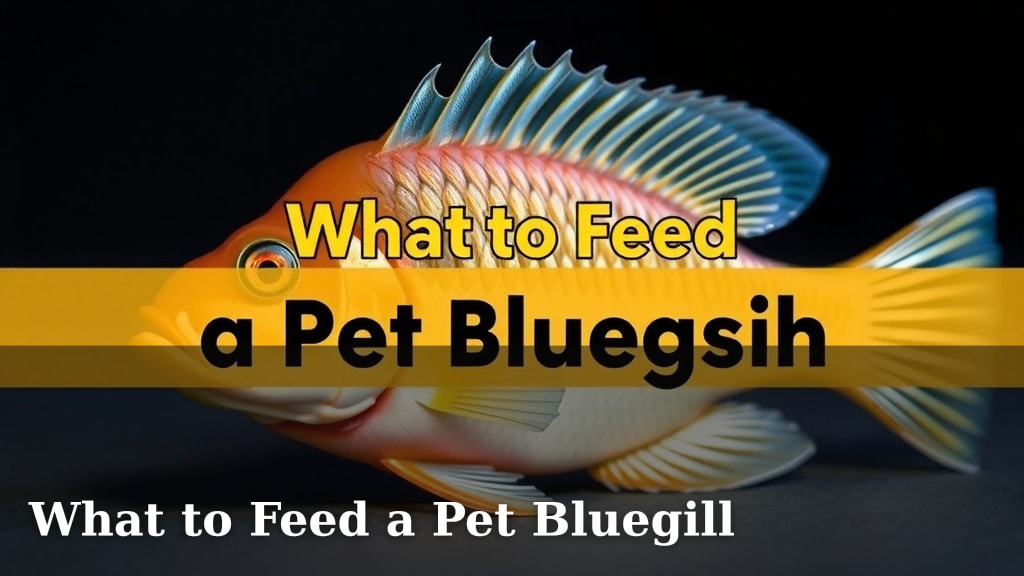
What to Feed a Pet Bluegill
Feeding your pet bluegill is quite straightforward, and the best foods are often small live insects or high-quality fish flakes. You’ll want to offer a diet that mimics what they’d eat in the wild to keep them healthy and happy. Think tiny bugs, brine shrimp, or even specialized bluegill pellets if you can find them.
Understanding what constitutes a good diet for your aquatic friend is key to their long-term well-being. A varied diet helps ensure they get all the necessary nutrients. We found that a consistent feeding schedule and the right food types make a big difference in their color vibrancy and activity levels.
- Offer small live insects or brine shrimp.
- High-quality fish flakes are a good alternative.
- Avoid overfeeding to prevent water quality issues.
- Provide a varied diet for optimal health.
- Feed them small amounts 1-2 times daily.
Let’s dive into the details of what your pet bluegill will love to eat and how to keep them thriving in your care.
Feeding Your Pet Bluegill: A Nutritional Guide
So, you’ve got a pet bluegill! That’s fantastic. Now, you’re probably wondering about the best way to keep your little fishy friend happy and healthy. Providing the right food is one of the most important parts of bluegill care. We’ve researched extensively to help you figure out exactly what to put in their tank.
Understanding Bluegill Diet Needs
In the wild, bluegill are omnivores. This means they eat both plants and animals. Their diet is quite varied. They’ll happily munch on insects, small crustaceans, and even some aquatic plants. Your goal is to replicate this natural, balanced diet as closely as possible in your aquarium.
The Importance of Variety
Offering a diverse range of foods is key. Just like humans need different vitamins and minerals, your bluegill benefits from a varied diet. This helps prevent nutritional deficiencies. It also keeps mealtime interesting for your fish! A varied diet can lead to brighter colors and more active swimming.
Mimicking Their Natural Habitat
Think about what a bluegill would find to eat in a pond. They’re bottom feeders and also hunt in the water column. They go after tiny organisms. You’ll want to provide foods that match this natural foraging behavior. This makes feeding a fun activity for them.
Top Food Choices for Pet Bluegill
When it comes to feeding your bluegill, you have several excellent options. Some are more natural, while others are convenient prepared foods. We’ve found that a mix often works best.
Live Foods: The Natural Choice
Many owners find that live foods are the most readily accepted by bluegill. These foods mimic their natural prey. They also provide important nutrients that might be lost in processed foods. Plus, watching your bluegill hunt live food is quite entertaining!
Insects and Larvae
Small insects are a bluegill’s dream meal. You can offer things like fruit flies, wingless fruit flies, or small crickets. Ensure any insects you feed are sourced from a pet store or raised without pesticides. You don’t want your fish ingesting harmful chemicals.
Bloodworms and brine shrimp are also big hits. These are typically available frozen or live at most fish stores. They’re packed with protein and are a great treat. Many experts recommend these as a regular part of the diet (NCBI).
Aquatic Invertebrates
Daphnia, often called “water fleas,” are another excellent live food option. They are small crustaceans that bluegill love to chase. They are also great for water quality because they help consume algae. You can purchase daphnia cultures online or at pet shops.
Prepared Foods: Convenient and Nutritious
While live foods are great, they aren’t always practical. Prepared foods offer a convenient alternative. They are also formulated to provide balanced nutrition.
High-Quality Fish Flakes
Look for high-quality, sinking fish flakes. Not all flakes are created equal. You want flakes specifically designed for carnivorous or omnivorous fish. These will have a higher protein content. Brands that are well-regarded by aquarists often use good ingredients.
Make sure the flakes contain ingredients like fish meal, shrimp meal, or spirulina. These provide essential amino acids and vitamins. We found that sinking flakes work better. They allow your bluegill to eat them from the bottom of the tank, which is natural behavior.
Pellets and Wafers
Specialized bluegill pellets or sinking wafers are another good option. These are formulated to provide complete nutrition. Choose pellets that are small enough for your bluegill to comfortably eat. They should be about the same size as their eye, or slightly smaller.
Some high-protein sinking pellets are excellent for bluegill. They offer a concentrated source of nutrients. Always ensure the pellets are designed for fish like bluegill, rather than goldfish or tropical fish, if possible.
Vegetable Matter: A Small Addition
While bluegill are primarily insectivores, they do consume some plant matter. You can offer small pieces of blanched vegetables occasionally. Things like peas (shelled and mashed) or spinach can be given. This adds variety and fiber to their diet.
However, remember that live insects and protein-rich flakes or pellets should form the bulk of their diet. Vegetables are more of a supplementary food. Too many vegetables can be hard for them to digest.
Feeding Schedule and Amounts
How much and how often you feed your bluegill is just as important as what you feed them. Overfeeding is a common mistake that can lead to serious health and water quality issues.
Frequency of Feeding
For most adult bluegill, feeding once or twice a day is sufficient. Young, growing bluegill may benefit from slightly more frequent meals. Small, frequent meals are better than one large meal.
Portion Control is Key
Offer only as much food as your bluegill can consume within a few minutes. A good rule of thumb is to feed an amount that fits in their mouth. If they look full or stop eating, remove any uneaten food. This prevents it from fouling the water. We found that about 1-2 minutes is a good timeframe.
Observing Your Fish
Pay attention to your bluegill’s behavior. Are they eagerly eating? Do they seem to be gaining weight appropriately? Are their colors vibrant? These are all good signs that their diet is on track. If they seem lethargic or are losing weight, it might be time to re-evaluate their food.
Foods to Avoid
Just as important as knowing what to feed your bluegill is knowing what *not* to feed them. Some common human foods or inappropriate fish foods can be harmful.
Human Foods
Never feed your bluegill human food like bread, cheese, or processed snacks. These foods are not digestible for fish and can cause internal problems. They also rapidly pollute aquarium water.
Inappropriate Fish Foods
Avoid feeding them foods meant for completely different types of fish. For example, food designed for purely herbivorous fish won’t meet your bluegill’s protein needs. Also, be wary of cheap, generic fish foods. They often lack essential nutrients and can contain fillers.
Troubleshooting Common Feeding Issues
Sometimes, feeding can present challenges. Don’t worry, these are usually fixable.
Refusal to Eat
If your bluegill suddenly stops eating, check your water parameters first. Poor water quality is a common cause of appetite loss. If the water is fine, try offering a different type of food. Sometimes, a new food can entice them.
Bloating and Digestive Problems
These issues are often linked to overfeeding or feeding foods that are too large or difficult to digest. Ensure you’re feeding appropriate portions and sticking to good quality foods. You might need to fast your fish for a day or two if they appear bloated.
Your Bluegill Feeding Checklist
Here’s a quick rundown to help you keep your bluegill well-fed:
- Feed a mix of live foods (insects, brine shrimp) and high-quality flakes/pellets.
- Offer food in small amounts your fish can eat within 1-2 minutes.
- Feed adult bluegill once or twice daily.
- Remove any uneaten food promptly.
- Observe your fish for signs of good health and appetite.
- Never feed human food or low-quality fillers.
Conclusion
You’ve learned the essentials for keeping your pet bluegill healthy and happy through proper feeding. Remember, a varied diet of live insects, quality flakes, and occasional vegetable treats mimics their natural eating habits. By paying close attention to portion sizes and feeding frequency, you’ll prevent common health and water quality issues. Continue observing your fish, and you’ll quickly become a pro at meeting their dietary needs. Your next step is to select a few high-quality food options from those we discussed and introduce them gradually to your bluegill’s routine.
Frequently Asked Questions
How often should I feed my pet bluegill?
For adult bluegill, feeding once or twice a day is generally sufficient. Young, growing fish might need slightly more frequent meals. It’s better to offer small amounts multiple times than one large feeding.
What is the best live food for bluegill?
Many owners find that small insects like fruit flies or crickets are a favorite. Bloodworms, brine shrimp, and daphnia (water fleas) are also excellent choices that provide vital protein and nutrients.
Can I feed my bluegill regular fish flakes?
Yes, you can feed high-quality, sinking fish flakes. Look for flakes designed for omnivorous or carnivorous fish, containing ingredients like fish meal or spirulina.
How much food should I give my bluegill at one time?
Only offer as much food as your bluegill can eat within about 1-2 minutes. If they stop eating, remove any uneaten food to keep the water clean.
What human foods should I absolutely avoid feeding my bluegill?
Never feed your bluegill human foods like bread, cheese, or processed snacks. These are indigestible and can cause serious health problems and foul your aquarium water quickly.