What to Feed a Pet Bass
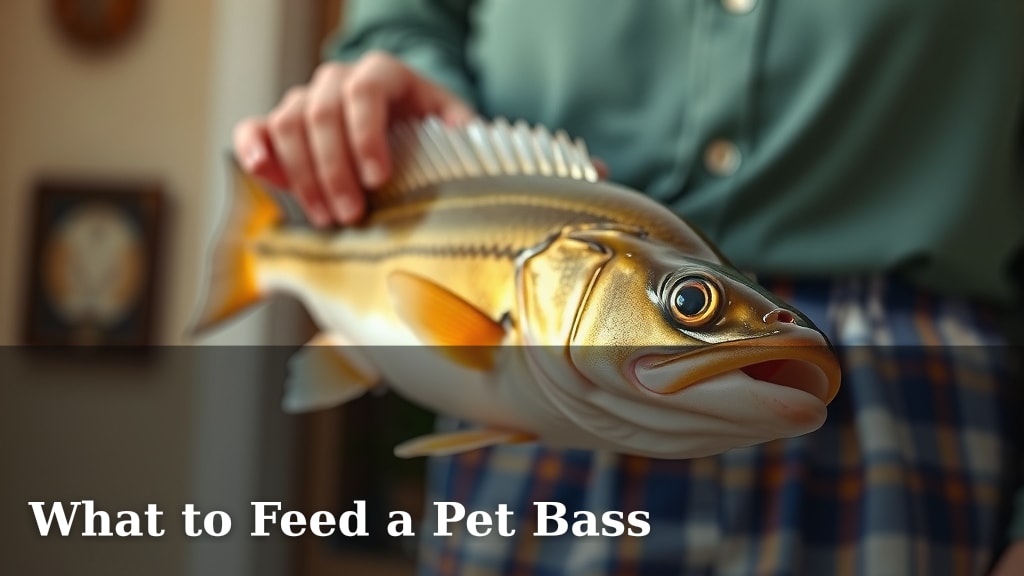
Feeding a pet bass is all about offering a balanced diet that mimics their natural food sources. For optimal health, a pet bass thrives on a mix of live or frozen foods, such as feeder fish, shrimp, and worms. Variety is key to ensuring they get all the necessary nutrients.
Many fish keepers find success by supplementing their bass’s diet with commercial pellets designed for carnivorous fish. Research shows that a varied diet helps prevent nutritional deficiencies and supports strong immune systems. It’s important to feed them appropriately sized foods to avoid choking hazards and ensure proper digestion.
- Bass need a varied diet.
- Live or frozen foods are best.
- Feeder fish, shrimp, and worms are good options.
- Commercial pellets can supplement their meals.
- Avoid overfeeding to prevent health issues.
Let’s dive into the specifics of what makes a healthy meal plan for your pet bass, ensuring they stay happy and healthy in your care.
Choosing the Right Diet for Your Pet Bass
So, you’ve got a pet bass and you’re wondering what to feed it. It’s a great question! Keeping your bass healthy means understanding its dietary needs. We found that bass are carnivorous, meaning they primarily eat other animals. This is key to building a proper diet plan for them.
Understanding Your Bass’s Natural Diet
In the wild, bass are opportunistic predators. They aren’t picky eaters. They’ll eat what’s available in their environment. This includes smaller fish, insects, crustaceans, and even small amphibians. Your goal is to replicate this natural variety as closely as possible in your aquarium. This ensures they get a broad spectrum of nutrients.
Live Prey: The Gold Standard
Many aquarists agree that live food is often the best option for bass. Live prey stimulates their natural hunting instincts. This can also be a good way to ensure they’re getting fresh, nutritious meals. Just be sure the live food you offer is healthy and disease-free. You don’t want to introduce problems into your tank!
Frozen Foods: A Convenient Alternative
If live food isn’t practical, frozen options are a fantastic choice. They offer many of the same nutritional benefits. Plus, they are much easier to store and prepare. You can often find a good variety of frozen foods at your local pet store. Just thaw them completely before feeding your bass.
Best Food Options for Your Bass
Let’s break down the specific foods that are great for your pet bass. Offering a mix of these will keep your fish happy and well-nourished. Remember, size matters – the food should be small enough for your bass to swallow easily.
Feeder Fish: A Classic Choice
Small feeder fish are a staple for many carnivorous fish diets. Guppies, minnows, or other small, hardy fish can be excellent choices. It’s important to buy feeder fish from a reputable source. This helps reduce the risk of parasites or diseases being transferred to your bass. Some sources recommend avoiding goldfish as feeders, as they can be less nutritious and sometimes carry diseases.
Invertebrates: Adding Variety
Invertebrates provide essential vitamins and minerals. They also offer a different texture and hunting challenge for your bass. Think of them as the bass’s equivalent of a diverse salad bar. Research indicates that a diet rich in varied protein sources is best for fish health (NCBI).
Shrimp and Prawns
Small, uncooked shrimp are a favorite for many carnivorous fish. You can buy these fresh or frozen from a seafood counter. Make sure they are plain and not seasoned. Chop them into bite-sized pieces before feeding. It’s a quick and easy way to offer a nutritious meal.
Worms and Grubs
Earthworms, nightcrawlers, and even some types of grubs can be fed to bass. If you collect your own worms, be certain they come from an area free of pesticides. Rinse them thoroughly before offering them. Many fish keepers find that worms are a highly palatable food for their bass.
Commercial Pellets: A Supplement Option
While not as natural as live or frozen foods, high-quality commercial pellets can be a good supplement. Look for pellets specifically designed for carnivorous fish or bass. These are often formulated to provide balanced nutrition. However, many experts suggest relying on these as a secondary food source rather than the primary one. Variety is still the spice of life, even for fish!
Feeding Frequency and Portion Control
How often and how much you feed your bass is just as important as what you feed it. Overfeeding can lead to health problems and poor water quality. Underfeeding can cause stress and poor growth.
How Often to Feed
For juvenile bass, feeding once or twice a day is often recommended. As they grow larger, you can reduce this to feeding every other day. Mature bass can often thrive on feeding just a few times a week. Observe your bass; if it’s actively hunting and eating, you’re likely on the right track. We found that established feeding times can help manage your bass’s routine.
Portion Size: Less is More
A good rule of thumb is to feed only what your bass can consume within a few minutes. If there’s food left floating around after 5 minutes, you’ve likely offered too much. Remove any uneaten food promptly. This prevents it from fouling your tank water. It’s better to slightly underfeed than to overfeed. You can always add a little more next time if they seem hungry.
Foods to Avoid Feeding Your Bass
Just like with humans, some foods aren’t good for your pet bass. Avoiding these will help keep your fish healthy and happy for years to come. It’s all about making informed choices for your aquatic friend.
Processed Human Foods
Anything intended for human consumption that isn’t specifically a fish food should be avoided. This includes bread, crackers, or processed meats. These foods offer little to no nutritional value for your bass. They can also cause digestive upset and bloat. Stick to natural food sources or well-formulated fish foods.
Medicated Foods (Unless Directed)
While medicated foods exist, they should only be used when specifically prescribed by an aquatic veterinarian. Feeding medicated foods unnecessarily can lead to resistance or other health issues. If you suspect your bass is sick, consult a professional before administering any medication.
Here’s a quick checklist to help you remember the key points:
- Offer a varied diet of live or frozen foods.
- Include small fish, shrimp, and worms.
- Supplement with quality carnivorous fish pellets if needed.
- Feed only what your bass can eat in a few minutes.
- Remove uneaten food promptly.
- Avoid human foods and unnecessary medications.
Conclusion
You’ve learned that feeding your pet bass is about more than just tossing food in the tank. By mimicking their natural carnivorous diet with a variety of live or frozen foods like shrimp, worms, and small fish, you’re setting your bass up for success. Remember to feed them appropriately sized portions and avoid overfeeding to maintain water quality and their health. Always research your feeder fish sources to prevent introducing diseases. Your commitment to providing a balanced diet will ensure your aquatic friend thrives for years to come.
Frequently Asked Questions
How do I know if my pet bass is eating enough?
Observe your bass’s behavior. A healthy bass will actively hunt and consume its food within a few minutes. If your bass seems lethargic or consistently leaves food uneaten, you might need to adjust the portion size or the type of food offered. Also, monitor its body condition for any signs of thinning.
Can I feed my pet bass leftover fish from my plate?
No, you should avoid feeding your pet bass any human food scraps. Processed human foods lack the necessary nutrients and can cause digestive problems. Stick to the natural or specially formulated fish foods we discussed to ensure your bass gets a proper and safe diet.
What is the best way to prepare frozen foods for my bass?
Always thaw frozen foods completely before feeding them to your bass. You can do this by placing the food in a small amount of tank water or simply letting it come to room temperature. Never feed partially frozen or frozen solid foods, as this can be difficult for your bass to digest and can lead to internal issues.
How often should I feed my juvenile bass compared to an adult bass?
Juvenile bass have higher metabolisms and need to grow, so feeding them once or twice a day is generally recommended. As your bass matures into an adult, you can reduce the frequency to feeding every other day or even just a few times a week. Adjust based on your bass’s activity level and growth.
Are feeder fish safe to feed to my pet bass?
Feeder fish can be a good part of a bass’s diet, but safety is key. Always source your feeder fish from reputable suppliers to minimize the risk of disease or parasites. Avoid feeding goldfish, as they can be less nutritious and may carry health issues. Thorough research into your feeder fish source is essential.