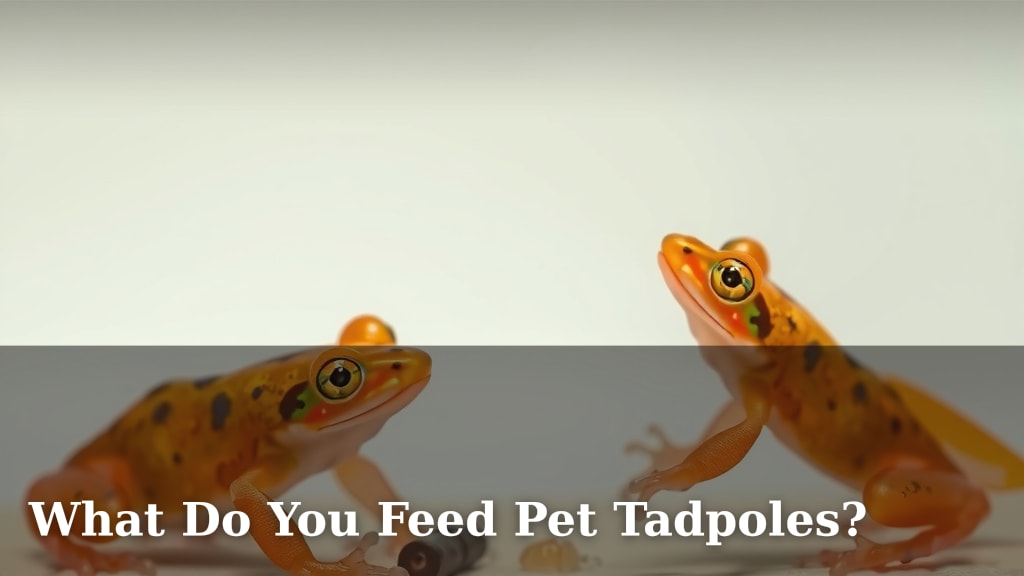
What Do You Feed Pet Tadpoles?
Feeding pet tadpoles is simpler than you might think! You can feed them specialized tadpole food or even small amounts of blanched vegetables like spinach. It’s important to offer a diet that mimics what they’d eat in the wild to ensure they grow healthy and strong.
When raising tadpoles, knowing their dietary needs is key. They are omnivores, meaning they eat both plants and small animals. A balanced diet helps prevent health issues and supports their transformation into frogs. We found that consistent feeding schedules make a big difference.
- Offer specialized tadpole food for best results.
- Supplement with blanched greens like spinach or zucchini.
- Feed small amounts only once or twice a day.
- Remove uneaten food to keep the water clean.
- Ensure their diet changes as they grow into froglets.
Ready to learn more about what your tiny amphibian friends need to thrive? Let’s dive into the details of what to feed your pet tadpoles, from their early days to when they start hopping!
What to Feed Your Growing Tadpoles
So, you’ve got some tiny tadpoles and want to make sure they’re eating well? It’s actually quite straightforward! Tadpoles are omnivores, meaning they enjoy both plant-based foods and tiny bits of animal protein. Providing the right diet is key for their healthy development and eventual transformation into little frogs.
Choosing the Right Food for Your Tadpoles
When it comes to feeding your tadpoles, variety is good, but simplicity is often best. You want to give them food that’s easy to digest and packed with the nutrients they need. We’ve found that sticking to a few reliable options works wonders.
Specialized Tadpole Food: The Gold Standard
The easiest and often most effective way to feed your tadpoles is with specialized tadpole food. These foods are formulated specifically for amphibians. They contain the right balance of protein, vitamins, and minerals. You can usually find them at pet stores that cater to fish or reptile enthusiasts. This type of food is designed to be easily digestible, which is super important for their delicate systems. It also helps keep your water cleaner than other food options might.
Natural Food Options: A Healthy Supplement
While specialized food is great, you can also supplement their diet with natural foods. Think of it like giving your tadpoles a healthy salad!
Blanched Leafy Greens
Many common leafy greens are a hit with tadpoles. Spinach, kale, and romaine lettuce are excellent choices. It’s important to blanch them first. This means briefly boiling or steaming them. Blanching softens the greens and makes them easier for your tadpoles to eat. It also helps prevent them from fouling your water too quickly. Just a small piece is usually enough for a feeding. Make sure to remove any large stems or tough parts.
Vegetable Purees and Small Pieces
You can also offer tiny pieces of other vegetables. Think of finely grated zucchini or cucumber. Some people even use a very small amount of blanched carrot. The key here is to make sure the pieces are tiny enough for your tadpoles to nibble on easily. If you’re using a blender, make sure it’s just a light puree, not a liquid. Avoid anything with added salt or seasonings, of course!
Fish Flakes and Pellets: Use with Caution
High-quality fish flakes or sinking pellets can be used as an occasional treat or supplement. If you choose this route, make sure they are specifically for bottom-feeding fish, as these tend to break down better. You only need to offer a tiny pinch. Overfeeding fish food can lead to cloudy water and potential health issues for your tadpoles. Many experts suggest using this sparingly and as a secondary food source (NCBI).
How Much and How Often to Feed Your Tadpoles
Getting the feeding schedule right is just as important as the food itself. Tadpoles have small stomachs and can’t handle large amounts of food at once.
Small Portions, Big Impact
You only need to feed your tadpoles a very small amount. A good rule of thumb is to offer only what they can consume within about 15-20 minutes. For a small group of tadpoles, this might just be a few tiny flakes or a small piece of blanched leaf. If you see a lot of uneaten food floating around after their meal, you’re likely feeding them too much.
Feeding Frequency: Once or Twice a Day
Most tadpoles do well with being fed once or twice a day. A consistent schedule is helpful. Try to feed them around the same time each day. Observe your tadpoles to see how quickly they eat the food. If they’re devouring it in minutes, you might be able to feed them a little more. If it sits there for a long time, reduce the amount.
Keeping Their Environment Clean: A Feeding Essential
Clean water is vital for healthy tadpoles, and uneaten food is a major culprit in making water dirty. This can lead to bacterial growth and make your tadpoles sick.
The Importance of Removing Uneaten Food
This is a crucial step that many new keepers overlook! After your tadpoles have finished their meal, take a moment to look for any leftover food. Use a small net or a turkey baster to gently remove it from the tank. This simple habit will make a world of difference in maintaining water quality. It’s like cleaning up your own plate after dinner – keeps things tidy!
Water Changes Go Hand-in-Hand with Feeding
Even with careful feeding, you’ll still need to do regular water changes. The frequency and amount of water to change depend on the size of your tank and the number of tadpoles. Many guidelines suggest changing about 25-30% of the water every few days (Aquarium Care Basics). Always use dechlorinated water when topping up or changing the water.
What About When They Start Changing? Tadpoles to Froglets
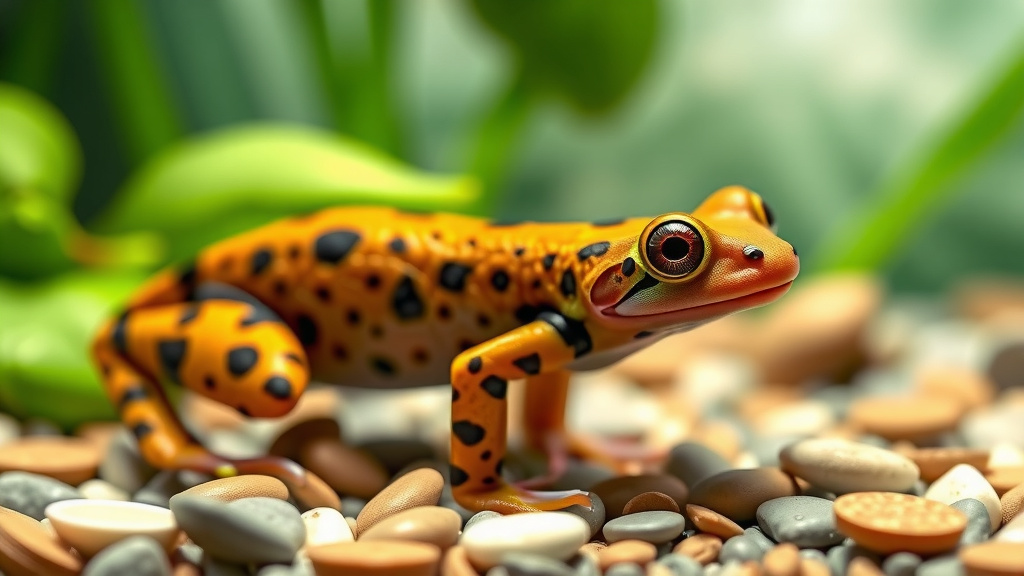
As your tadpoles grow, they’ll begin to change. You might see tiny back legs appear, then front legs! This is an exciting time. Their dietary needs will shift as they transition into froglets.
Dietary Shifts for Developing Froglets
Once your tadpoles develop legs and start looking more like little frogs, they’ll need more protein. They are becoming carnivores now. Specialized froglet or amphibian food is ideal. You can also offer small insects like fruit flies or pinhead crickets. Continue to remove uneaten food promptly. The transition phase is when you need to be most attentive to their changing needs.
Quick Feeding Checklist for Your Tadpoles
Here’s a quick rundown to make sure you’re on the right track:
- Offer specialized tadpole food as the primary diet.
- Supplement with blanched greens like spinach or zucchini.
- Feed only a small amount that they can eat quickly.
- Remove uneaten food within 20 minutes.
- Feed once or twice daily on a regular schedule.
- Adjust food types as they develop into froglets.
Conclusion
You’ve learned that feeding your pet tadpoles is an achievable task. By offering specialized foods or safe, blanched greens, you can provide a balanced diet. Remember that portion control and prompt removal of uneaten food are key to maintaining a healthy environment for them. As they grow, watch for their amazing transformation into froglets, and be ready to adjust their diet to meet their new protein needs. Continue observing your tadpoles closely. This attentiveness will ensure your amphibian friends thrive from their first swim to their first hop!
Frequently Asked Questions
How do I know if my tadpoles are eating enough?
Observe their behavior and the amount of food left after a feeding. If your tadpoles quickly consume the offered food within 15-20 minutes and seem active, they are likely eating enough. If a lot of food remains, you’re probably feeding them too much.
Can I feed my tadpoles just fish food?
High-quality fish flakes or sinking pellets can be used as an occasional supplement, but they shouldn’t be the primary food source. Tadpole-specific foods or blanched vegetables offer a more balanced nutrition. Over-reliance on fish food can lead to water quality issues.
What should I do if my tadpoles aren’t eating?
Ensure the water temperature is appropriate for your tadpole species. Check that you are removing uneaten food promptly to keep the water clean, as poor water quality can deter eating. If they continue to refuse food, consult with a local pet store or amphibian expert.
How often should I feed my tadpoles after they develop legs?
Once your tadpoles start developing legs and transition into froglets, their diet needs to change. They will require more protein and may refuse vegetables. Offer small insects like fruit flies or pinhead crickets, and specialized froglet food, feeding them once or twice a day as needed.
Is it okay to feed tadpoles wild-caught insects?
It’s generally best to avoid feeding wild-caught insects to pet tadpoles. Wild insects can carry pesticides or diseases that might harm your tadpoles or contaminate their habitat. Stick to commercially available food sources or commercially raised insects.