How Cat Water Fountains Work: A Simple Guide
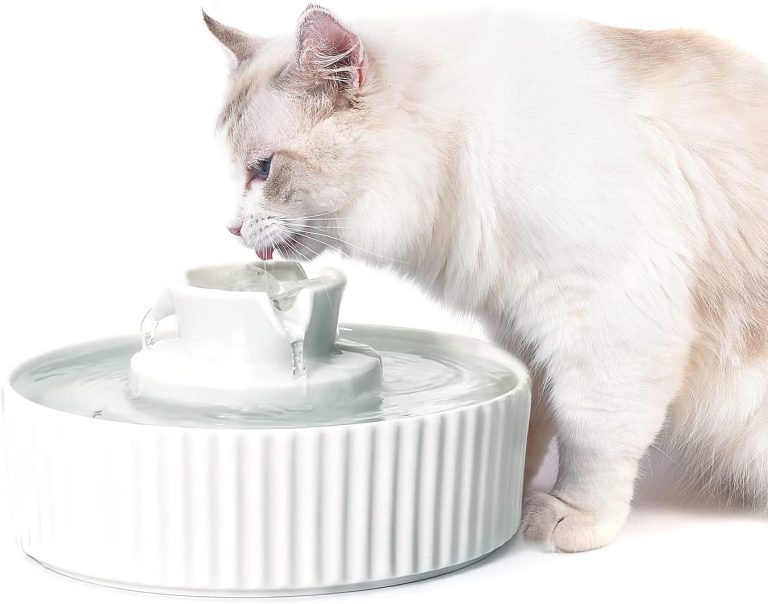
Cat water fountains work by using a small electric pump to recirculate water through a filter and push it up to a spout or stream. This creates a constant, moving flow of fresh water. The gentle circulation also oxygenates the water, which keeps it tasting better for your feline friend.
Unlike a stagnant bowl, a fountain mimics the natural flowing water your cat would seek out in the wild. The movement and the sound of running water are strong attractants for most cats. We found that many felines simply prefer this fresher, cooler supply, which often leads to increased daily water intake. That is a huge win for their kidney and urinary tract health.
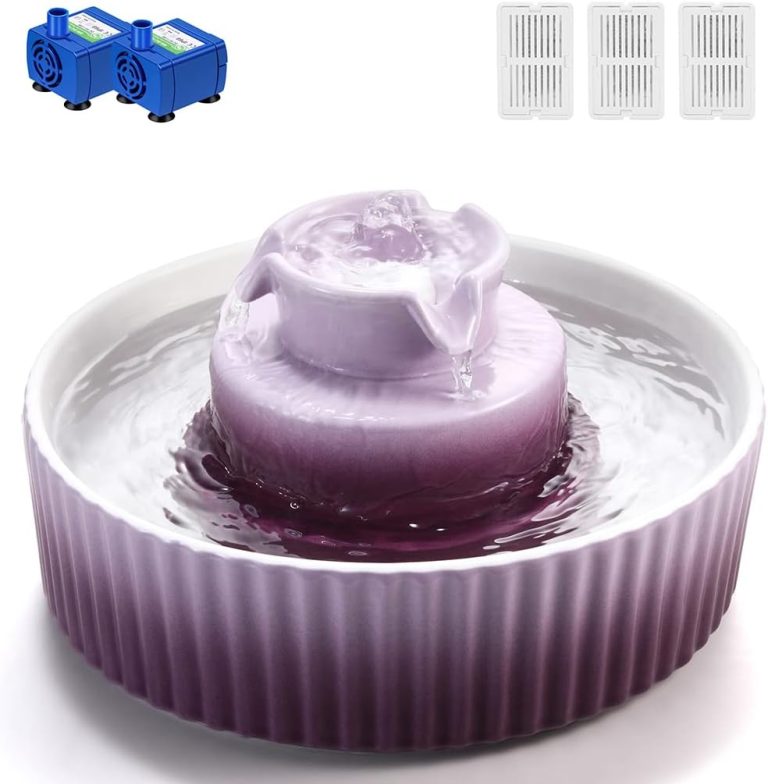
- The Pump: This is the motor that pulls water up and creates the stream or waterfall.
- The Filter: This catches hair, dirt, and debris while removing bad tastes and odors.
- The Reservoir: This is the main basin that holds the bulk of the water supply.
- Constant Flow: The movement encourages your cat to drink more often.
- Oxygenation: The splashing adds oxygen to the water, keeping it fresh.
Below, we’ll break down the mechanics of each part and explain how to keep your fountain running smoothly. Let’s walk through exactly how this handy device works so you can decide if it is the right choice for your kitty.
The Basic Mechanics of a Cat Water Fountain
At its core, a cat water fountain is a simple machine. It uses electricity to move water in a circle. You fill the reservoir, plug it in, and the pump does the heavy lifting. The pump pushes water up a tube to the top. Then, gravity brings the water back down into the basin. This cycle repeats constantly while the fountain is on.
We found that most models follow this same pattern. The design may look different, but the physics stay the same. A small motor spins an impeller inside the pump housing. That spinning motion creates suction. The suction pulls water from the bottom of the basin. Then, it forces that water up through a hose or channel. The water exits at the top through a spout, flower, or stream.
Why Moving Water Matters for Your Cat
You might wonder why the movement is such a big deal. Well, cats have a natural instinct about water. In the wild, still water often hides bacteria. Moving water is usually safer to drink. Many cats still carry this instinct today. That is why your cat might ignore a bowl but love a dripping faucet.
The fountain taps into this natural preference. The constant motion makes the water seem fresher. It also creates a gentle sound. That soft splashing noise attracts curious cats. We found that this simple trick often works wonders for picky drinkers. A fountain can turn a cat that rarely drinks into one that visits the water source many times a day.
Core Components Inside the Fountain
Every fountain has the same basic parts. Understanding them helps you troubleshoot problems. It also helps you pick the right model for your home. Let’s break down the main pieces you will find inside.
The Electric Water Pump
The pump is the heart of the whole system. It is a small, submersible motor that sits at the bottom of the basin. You plug it into a standard wall outlet using an adapter. The motor runs at a low voltage, so it is safe for pets. Most pumps are quiet, but you will hear a soft hum.
We recommend checking the pump’s flow rate before buying. Flow rate is measured in gallons per hour (GPH). A higher GPH means more water movement. That is great for multiple cats. A lower GPH is better for kittens or shy cats who might be scared of heavy splashing.
Pump Maintenance Basics
Pumps need regular cleaning to keep working well. Hair and debris can clog the intake valve. When that happens, the pump gets loud or stops working. You should take the pump apart every two weeks. Rinse the impeller and the housing under warm water. Do not use soap, as residue can harm your cat.
We found that a clean pump lasts much longer. Most manufacturers say a pump should last one to two years. After that, you can often buy a replacement part. It is usually cheaper than buying a whole new fountain.
Carbon and Foam Filter Systems
Filters do two jobs. They catch physical junk and they remove chemical smells. Most fountains use a multi-layer filter. The top layer is often a soft foam or mesh. That catches fur, food bits, and dust. The bottom layer is usually activated carbon. That absorbs odors and bad tastes.
Research shows that activated carbon is very effective at removing chlorine from tap water. That is a major win. Chlorine can make water smell like a swimming pool. Your cat’s sensitive nose hates that smell. Removing it makes the water much more appealing to your feline friend.
How Often to Change Filters
Filters are not permanent. They fill up with gunk over time. We suggest changing them every two to four weeks. Some brands last a bit longer. Always check the packaging for the recommended schedule. A clogged filter does more harm than good. It slows water flow and can breed bacteria.
Here is a quick rule of thumb. If the water flow looks weak, check the filter first. If the filter looks brown or slimy, replace it. Your cat will thank you. Fresh filters keep the water tasting clean and the fountain running strong.
The Role of the Water Reservoir and Basin
The reservoir is the storage tank. It holds the bulk of the water supply. The basin is the shallow dish where your cat drinks. In many models, these are the same piece. In others, they are separate parts connected by a tube. The size of the reservoir matters. A larger tank means you refill less often.
We found that most fountains hold between 50 and 100 ounces of water. That is enough for a few days for one cat. For multi-cat homes, look for a bigger capacity. You do not want the pump to run dry. Running dry can burn out the motor quickly.
Gravity Flow and Water Level
Some fountains use a simple gravity system. The reservoir sits above the basin. Water drips down slowly as the cat drinks. This is a passive system that uses no pump. However, most popular fountains use the pump-driven recirculation method. That keeps the water moving continuously.
The water level in the basin is critical. If it drops too low, the pump will suck air. That creates a loud gurgling noise. It also strains the motor. Always keep the water above the minimum fill line. Many models have a clear window so you can check the level at a glance.
How the Pump Creates the Water Stream
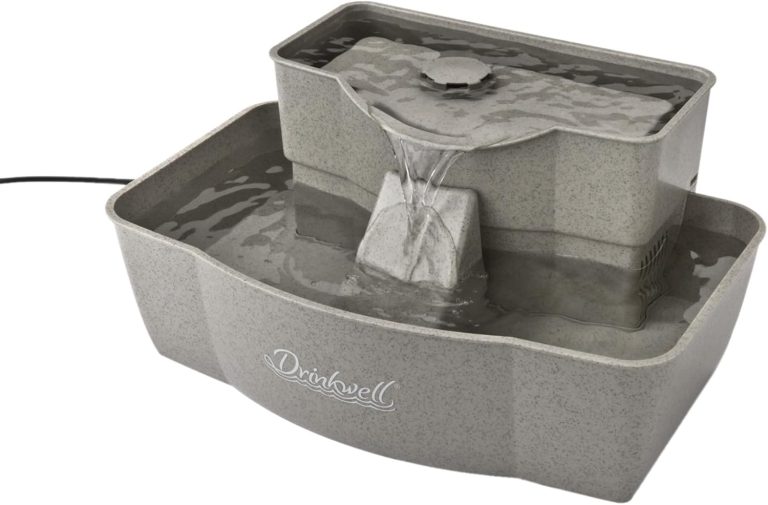
The water stream is the visual highlight of the fountain. The pump pushes water up a central column. At the top, the water spills over a lip or spout. This creates a gentle waterfall effect. Some models offer a bubbling dome instead. Others have a tall jet stream that shoots upward.
You can often adjust the flow. Many pumps have a dial or a small valve. Turning it changes the height of the stream. We recommend starting with a low, gentle flow. Some cats are scared of a strong jet. A soft trickle is less intimidating and still sounds appealing.
Oxygenation and Water Freshness
Here is where the magic happens. When water falls and splashes, it traps air. That air mixes into the water. This process is called oxygenation. Oxygenated water tastes fresher and crisper. It also helps slow down the growth of anaerobic bacteria. Those are the germs that thrive in stagnant bowls.
Many experts say that moving water stays cleaner longer than still water. The constant circulation also keeps the temperature cooler. Cats prefer cool water over warm water. A fountain naturally keeps the water at room temperature or slightly cooler. That is a huge draw for your feline companion.
Fountain Designs and Flow Patterns
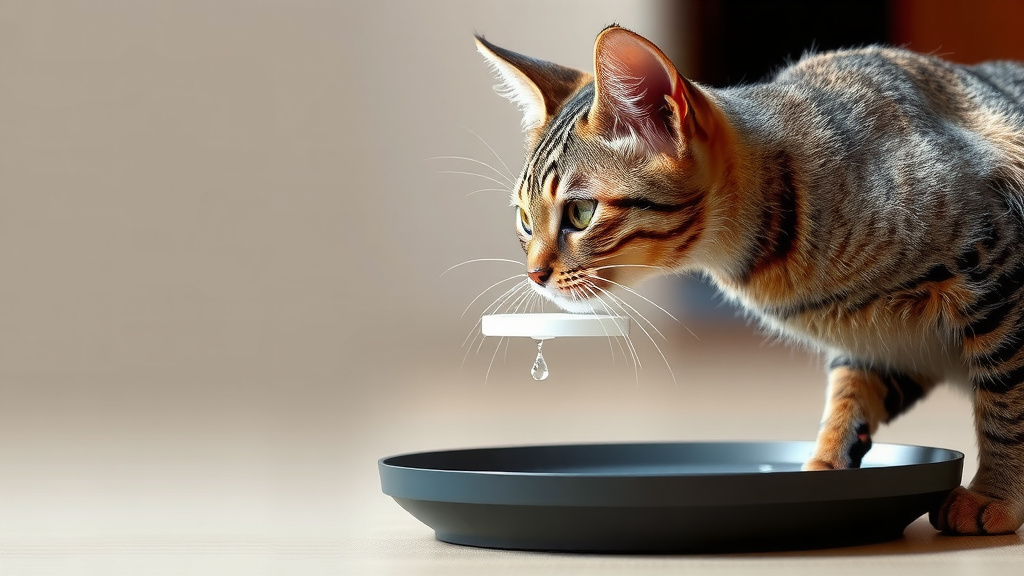
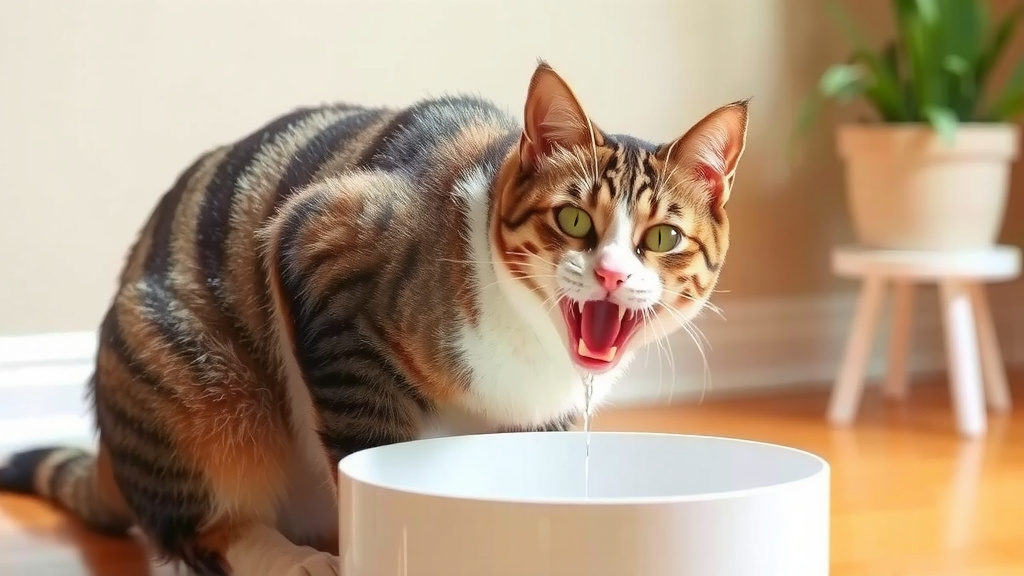
Not all fountains look the same. The internal mechanics are similar, but the delivery system differs. You can choose a design based on your cat’s preferences. Some cats like to drink from a pool. Others like to catch water droplets in the air.
Free-Falling Stream vs. Bubbling Dome
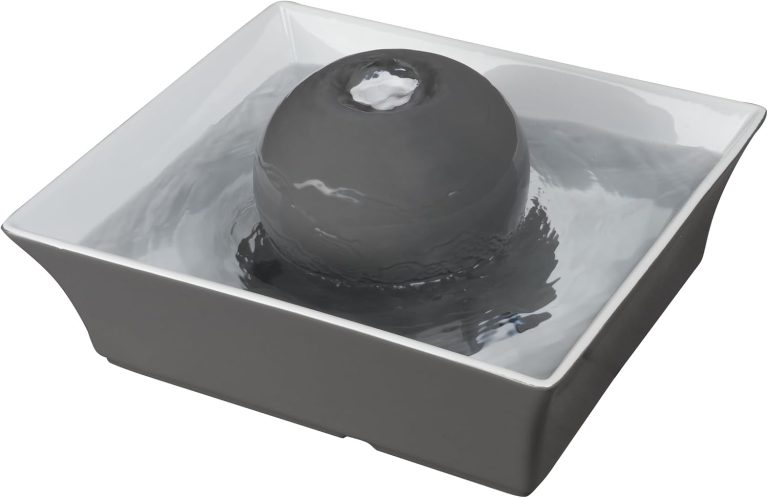
The free-falling stream is the classic design. Water shoots up a tube and arcs down. It looks like a tiny drinking fountain. This works well for cats who like to drink with their head tilted up. The bubbling dome is different. Water bubbles up from the base and flows down a flat surface. This mimics a natural spring and is great for cats who prefer to lap from a flat surface.
We found that cats have strong preferences here. Some will only use one style. If you are unsure, start with a model that offers both. Many premium fountains include interchangeable tops. That lets you switch between a stream and a dome. It is a flexible way to figure out what your cat loves.
Stainless Steel vs. Plastic Models
The material matters more than you might think. Plastic fountains are cheap and light. But plastic can scratch over time. Those scratches trap bacteria and are hard to clean. Stainless steel is more hygienic. It is non-porous and resists scratches. It also stays cooler, which cats enjoy.
Many experts say stainless steel is the better choice for pet health. It reduces the risk of “feline acne” on the chin. This condition is often caused by bacteria in plastic bowls. The downside is that steel fountains cost more. But they last longer and are easier to keep clean.
Setting Up Your Fountain the Right Way
Getting started is easy, but there are a few steps. First, wash all parts with warm, soapy water. Rinse thoroughly to remove any manufacturing residue. Then, place the pump in the basin. Attach the hose and the top piece. Fill the reservoir with fresh, cold water. Plug it in and let it run for a few minutes. Check for leaks around the seals.
We suggest placing the fountain away from the food bowl. Cats like to keep their water away from their food. In nature, a kill contaminates nearby water. Placing the fountain across the room feels safer to your cat. This simple trick can increase drinking significantly.
A Quick Checklist for Daily Fountain Care
- Check water level every morning and top off as needed.
- Listen for odd noises like gurgling or grinding.
- Rinse the basin with water every other day.
- Wipe the pump housing to remove slimy biofilm.
- Replace the filter every two to four weeks.
- Deep clean all parts once a week with a brush.
Common Fountain Problems and Quick Fixes
Fountains are reliable, but they can act up. The most common issue is a weak or slow stream. That usually means the pump intake is clogged. Turn it off, take it apart, and clean the impeller. Nine times out of ten, that fixes it. Another common issue is a noisy motor. Air bubbles in the line cause that. Just unplug it, add water, and restart.
We found that many owners forget to prime the pump. Priming means making sure water is inside the pump before turning it on. If the pump runs dry even for a second, it can lose prime. Simply pour a little water directly into the pump housing before plugging it in. This prevents sputtering and extends the motor’s life.
When to Replace Parts vs. the Whole Fountain
| Issue | Quick Fix | Long-Term Solution |
|---|---|---|
| Weak water flow | Clean the pump impeller | Replace filter and clean weekly |
| Loud grinding noise | Check for hair wrapped around shaft | Replace pump if motor is worn |
| Water leaks from base | Check the rubber gasket seal | Replace gasket or the whole unit |
| Strange smell | Deep clean all parts with vinegar | Replace carbon filter sooner |
Most parts are easy to replace. You can buy new pumps, filters, and gaskets online. If the fountain is over two years old and having issues, it might be time for a new one. A fresh unit ensures your cat gets clean, safe water every day.
Conclusion
So, there you have it. A cat water fountain is a simple pump, a filter, and a reservoir working together. That constant flow mimics nature. It keeps the water cooler, fresher, and more oxygenated. For most cats, that moving water is simply too tempting to ignore. That means your cat drinks more, which is a major win for their health.
Your next step is easy. Try one out. Pick a stainless steel model with an adjustable flow. Start with a low stream to help your cat get used to it. Pair it with a regular cleaning routine. You will likely see your feline friend visiting the fountain more often than they ever did their old bowl.
Frequently Asked Questions
Is it safe to leave a cat water fountain running all day?
Yes, it is completely safe. The pump runs on a very low voltage adapter, just like a phone charger. They are designed for continuous operation. Just make sure you top off the water level daily so the pump never runs dry.
Why won’t my cat use the new water fountain?
Give your cat time to adjust. Some cats are wary of new things. Start by placing the fountain next to their old water bowl. You can also try lowering the flow rate to make it less intimidating. Most cats warm up to it within a week.
Can I use tap water in my cat’s fountain?
You can, but filtered water is better. The activated carbon filter in the fountain will remove chlorine and bad tastes from tap water. If your tap water is very hard, you might see white mineral buildup. In that case, using filtered or bottled water helps keep the pump cleaner for longer.
Do cats actually drink more water from a fountain?
We have found that most cats do drink more from a fountain. The moving water triggers their natural instinct to seek fresh, safe water. The cool temperature and splashing sound are very appealing. Increased water intake is great for preventing kidney and urinary issues.
Why does my cat water fountain pump make a gurgling noise?
That gurgling sound usually means the water level is low. The pump is sucking in air along with water. Turn it off, add fresh water above the minimum fill line, and restart. If the noise continues, check the pump intake for any trapped hair or debris.