What Do I Feed My Pet Axolotl? Complete Guide to Best Foods for Growth and Health
So you’ve just brought home an axolotl, and you’re staring at this adorable aquatic creature wondering what on earth you’re supposed to feed it. I get it. These mysterious little pink or white amphibians don’t exactly come with instruction manuals, and finding reliable information about their diet can feel like searching for a needle in a haystack. But here’s the good news: feeding your axolotl properly is actually simpler than you might think once you understand their nutritional needs.
Think of your axolotl’s diet like a carefully balanced recipe—you need the right ingredients in the right proportions to ensure your pet thrives. Get it wrong, and your axolotl might become sluggish, develop health issues, or refuse to eat altogether. Get it right, and you’ll watch your axolotl grow beautifully and display vibrant, healthy behavior.
Understanding Your Axolotl’s Natural Diet in the Wild
Before we dive into what you should feed your pet axolotl, let’s step back and understand what these creatures actually eat in nature. Axolotls are carnivorous bottom-feeders native to Mexico, where they inhabit freshwater lakes and waterways. In their natural habitat, they’re opportunistic hunters that feast on whatever protein-rich prey they can find, including small fish, insects, crustaceans, and aquatic worms.
This is crucial information because it tells us something important: your axolotl isn’t interested in plants or vegetables. It’s a meat-eater through and through. When you’re selecting food for your pet, always keep this carnivorous nature front and center in your mind.
The Best Protein-Based Foods for Your Axolotl
High-Quality Sinking Pellets: Your Staple Diet
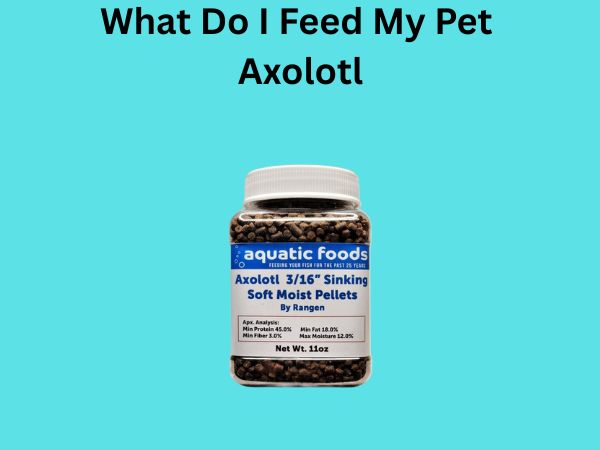
Let me start with the foundation of most axolotls’ diets: specialized sinking pellets. These aren’t ordinary fish food—they’re specifically formulated for axolotls and other carnivorous aquatic creatures. Why sinking? Because axolotls hunt on the bottom of the tank, and they’ll have a much easier time locating food that sinks rather than floats.
When selecting pellets, look for brands that list high-quality protein sources as the primary ingredients. Your axolotl needs pellets that contain at least 40 percent protein to support proper growth and muscle development. I recommend choosing pellets that are appropriately sized for your axolotl’s mouth—too large and they’ll struggle to eat them, too small and they might not feel satisfied.
Feed your axolotl pellets once daily, giving them roughly as much food as they can consume in two to three minutes. Watch your pet eat and adjust portions based on their response. An axolotl with a full belly will typically lose interest in food, so you’ll quickly develop a sense of how much is enough.
Bloodworms: The Frozen Treasure Your Axolotl Loves
If pellets are the daily bread of axolotl nutrition, then frozen bloodworms are the dessert—except they’re nutritious enough to serve more than just as an occasional treat. Bloodworms are the larvae of midge flies, and they’re packed with protein that axolotls absolutely crave.
Here’s what I love about frozen bloodworms: they mimic natural prey more closely than pellets do, which means your axolotl gets enrichment along with nutrition. When you drop a frozen bloodworm cube into the tank, you’ll often see your axolotl actively hunt and chase it, which provides mental stimulation and physical exercise.
Offer frozen bloodworms two to three times per week as a supplement to their regular pellet diet. Thaw them in aquarium water first—never use tap water that hasn’t been treated—and feed them in small portions to avoid contaminating your tank with excess food.
Earthworms: Nature’s Perfect Protein Package
Want to see your axolotl genuinely excited about feeding time? Try earthworms. These wiggly creatures are like nutritional powerhouses for your pet, containing all the amino acids and nutrients that support healthy growth and vibrant coloration.
You can culture your own earthworms in a separate container or purchase them from bait shops and pet stores. Before feeding them to your axolotl, rinse them thoroughly in dechlorinated water to remove any soil or debris. Offer earthworms once or twice per week, depending on your axolotl’s size and age.
The beauty of earthworms is that they’re relatively inexpensive if you culture them yourself, and they provide excellent nutrition without any artificial additives or preservatives. Plus, the hunting behavior they trigger is genuinely entertaining to watch.
Salmon and Fish Alternatives: Proceed with Caution
Some axolotl owners swear by offering small pieces of raw or cooked salmon or other fish as occasional treats. While these foods do provide protein, I’d recommend using them sparingly and only occasionally. Here’s why: they can be high in fat and may cloud your tank water if not consumed immediately, potentially affecting water quality.
If you do offer fish, use only small, thin pieces and remove any uneaten food within a few minutes. Never use fish that’s been treated with additives or seasoning—your axolotl needs plain, simple protein.
Foods to Avoid: What Your Axolotl Should Never Eat
Just as important as knowing what to feed your axolotl is understanding what you should absolutely never offer. Some foods can cause serious health problems or even be toxic to your pet.
- Processed human foods of any kind
- Feeder goldfish or other fish species (they can carry parasites and diseases)
- Insects caught from outside (they may contain pesticides)
- Plant matter or vegetables
- Shrimp meant for human consumption
- Large insects like crickets that might damage your axolotl’s delicate gills
- Any food that’s been sitting in the tank for more than a few minutes
Think of these forbidden foods as the junk food aisle of the supermarket—sure, they might look appealing, but they offer no nutritional value and can actually harm your pet.
Age Matters: Feeding Young Axolotls vs. Adults
Feeding Your Baby Axolotl
Young axolotls have different nutritional requirements than their adult counterparts. Babies and juveniles are in a critical growth phase, so they need more frequent feedings with smaller portion sizes.
Feed your young axolotl two to three times daily, offering only what they can eat in two to three minutes per feeding session. Small-sized pellets are essential at this stage—your baby’s mouth is delicate and tiny, so regular-sized pellets will be overwhelming.
As your axolotl grows, you’ll gradually transition to once-daily feedings. This transition typically happens around six months to one year of age, but every axolotl develops at its own pace.
Maintaining Your Adult Axolotl’s Nutrition
Once your axolotl reaches full maturity—usually around one year of age—you can settle into a consistent once-daily feeding schedule. Adult axolotls are less demanding nutritionally than juveniles, but they still need high-quality, protein-rich food to maintain their health and longevity.
Many adult axolotls do perfectly fine on a diet of sinking pellets supplemented with frozen bloodworms or earthworms. The key is consistency and quality. Your adult axolotl can live 10 to 15 years in captivity, so you’re investing in long-term health when you prioritize proper nutrition.
Portion Control: How Much Should Your Axolotl Actually Eat
One of the biggest mistakes I see axolotl owners make is overfeeding. It’s easy to do—your cute little pet looks up at you with those permanent smile-like lips, and you want to reward them with more food. But here’s the reality: axolotls don’t need much, and overfeeding can lead to obesity, water quality problems, and health issues.
A good rule of thumb is the “two to three minute rule.” Offer your axolotl only enough food to keep them eating for two to three minutes. After that time has passed, any remaining food should be removed from the tank. This prevents excess food from decomposing in your tank and fouling the water.
If you’re feeding pellets, this typically means offering a small pinch—roughly the size of your axolotl’s eye. If you’re feeding bloodworms or earthworms, offer three to five worms depending on your axolotl’s size.
Feeding Frequency: Creating a Consistent Schedule
Consistency is important in axolotl care, and feeding frequency is no exception. Adult axolotls thrive when fed at the same time each day. I recommend feeding yours in the morning or evening—whichever works best for your schedule—but stick with it.
Here’s a simple feeding frequency guide:
- Babies (under 3 months): 2-3 times daily in small portions
- Juveniles (3-12 months): Once or twice daily
- Adults (over 12 months): Once daily, 4-6 days per week
Yes, you read that correctly—you don’t need to feed your adult axolotl every single day. In fact, giving them one day off per week can be beneficial for their digestive system. Think of it as a natural fasting period that mirrors their wild behavior.
Creating a Balanced Nutritional Diet Plan
The ideal axolotl diet isn’t monotonous—it’s actually quite varied. Here’s how I recommend structuring a weekly feeding plan for your adult axolotl:
Monday: Sinking pellets
Tuesday: Frozen bloodworms
Wednesday: Sinking pellets
Thursday: Earthworms
Friday: Sinking pellets
Saturday: Frozen bloodworms
Sunday: Fasting day
This rotating schedule ensures your axolotl receives diverse nutrition while preventing boredom and digestive stagnation. You can adjust this based on availability and your axolotl’s preferences—some individuals prefer certain foods over others, just like people do.
Signs of Overfeeding and Underfeeding
When Your Axolotl Is Eating Too Much
An overweight axolotl shows several telltale signs. Their belly becomes noticeably round and bloated, they move less actively, and they might have difficulty maintaining buoyancy in the water. You might also notice that your tank’s water quality deteriorates more quickly, since uneaten food is decomposing.
If you suspect overfeeding, immediately cut back on portions and increase the frequency of water changes. Within a few weeks, your axolotl should return to a healthier weight.
When Your Axolotl Isn’t Eating Enough
An underfed axolotl appears thin and may have visible skin folds or a sunken appearance. They might seem lethargic or display unusual behavior. However, it’s worth noting that axolotls naturally have voracious appetites, so actual underfeeding is relatively rare in captivity.
If your axolotl suddenly refuses food, it’s often a sign of something else going on—potentially a water quality issue, incorrect water temperature, or illness. Don’t immediately assume they need more food. Instead, check your tank parameters and investigate the underlying cause.
Live Food Considerations: Benefits and Risks
Some axolotl enthusiasts love feeding live food, and I understand the appeal. Live prey triggers natural hunting instincts and provides the most realistic feeding experience. However, live food comes with both advantages and disadvantages.
Benefits of live food:
- Triggers natural hunting and predatory behavior
- Provides physical exercise and mental stimulation
- Ensures maximum freshness
- Can be cultured at home for cost savings
Risks of live food:
- Live prey might injure your axolotl during the hunt
- Difficult to control portion sizes
- Requires careful culturing to prevent disease transmission
- Live insects can damage delicate gills if too large
- More time-consuming than frozen alternatives
If you choose to offer live food, proceed carefully. Start with smaller species and supervise feedings to ensure your axolotl doesn’t get injured. Many owners find that frozen food offers the best balance of convenience, safety, and nutrition.
Water Quality and Feeding: The Connection You Might Miss
Here’s something that often gets overlooked in axolotl care discussions: your feeding practices directly impact water quality, which in turn affects your axolotl’s health and appetite. Excess uneaten food decays in the tank, producing ammonia and nitrites that are toxic to your pet.
This is precisely why the two to three minute rule is so important. By removing uneaten food promptly, you’re not just preventing waste—you’re actively maintaining a healthier environment. Your axolotl eats better, grows better, and lives longer in clean water.
Consider this: if you’re feeding carefully and maintaining good water quality, your axolotl’s natural appetite and growth rate will tell you whether your feeding schedule is appropriate. If they’re healthy and active, you’re doing something right.
Supplements and Additives: Do You Really Need Them
When shopping for axolotl food, you’ll encounter various supplements and additives marketed as essential for growth and color enhancement. The truth? If you’re feeding a high-quality, varied diet, your axolotl probably doesn’t need additional supplements.
That said, calcium supplements can be beneficial, especially for breeding females who deplete calcium reserves during egg production. A simple calcium powder added to the water once or twice monthly is typically sufficient.
The key is understanding that your axolotl gets most necessary nutrients from quality food. Don’t feel pressured to purchase expensive additives unless your axolotl shows specific deficiency signs.
Breeding Axolotls: Special Nutritional Considerations
If you’re planning to breed your axolotls, nutrition becomes even more critical. Breeding females especially need enhanced nutrition to support egg production. During breeding season, increase feeding frequency slightly and ensure they’re receiving calcium-rich foods like earthworms and calcium-supplemented water.
Males also benefit from improved nutrition before breeding, as they need physical stamina and health to produce viable sperm. High-protein bloodworms are particularly valuable during this time.
If you’re serious about breeding, consider consulting with experienced breeders about species-specific dietary recommendations.
Conclusion
Feeding your pet axolotl doesn’t need to be complicated or stressful. At its core, it’s about understanding that your axolotl is a carnivorous predator that thrives on high-quality protein, consistent portion control, and dietary variety. Start with a foundation of specialized sinking pellets, supplement with frozen bloodworms or earthworms two to three times weekly, and watch your axolotl flourish.