How Much to Feed a Pet Rat: Complete Guide
Feeding your pet rat the right amount is all about balance and moderation. Most adult pet rats need about 1-2 tablespoons of food per day. This might seem small, but it’s usually enough when you consider their size and metabolism. We’ll help you figure out the perfect portion for your little furry friend.
Getting the diet just right ensures your rat stays healthy and happy. Overfeeding can lead to obesity, which causes other health issues. Underfeeding can cause malnutrition and a lack of energy. Many experts recommend a diet based on a high-quality commercial rat food as the foundation. This provides the essential nutrients they need.
- Adult rats usually eat 1-2 tablespoons daily.
- Quality rat food should be the main part of their diet.
- Fresh veggies and small treats can be added in moderation.
- Always provide fresh, clean water.
- Adjust portions based on your rat’s age, activity level, and health.
Below, we’ll guide you through the specifics of how much to feed your pet rat, from babies to seniors, and what foods to include.
“`htmlFiguring Out the Right Portions for Your Pet Rat
So, you’ve got a tiny whiskered friend and you’re wondering just how much yummy goodness to put in their bowl? It’s a common question, and thankfully, there’s a straightforward answer. Most adult pet rats do best with around 1 to 2 tablespoons of high-quality rat food daily. This is a general guideline, of course. We’ll break down how to adjust this for your specific rat.
Think of it like this: your rat is a tiny athlete. They have a speedy metabolism and need fuel to keep those little legs running and their brains busy solving new puzzles. Too little, and they might lack energy or become underweight. Too much, and well, nobody wants a chunky rat facing health issues!
Understanding Your Rat’s Nutritional Needs
Pet rats have specific dietary requirements. They need a balanced mix of protein, carbohydrates, fats, vitamins, and minerals to thrive. A good quality commercial rat food is designed to meet these needs. It’s the foundation of a healthy diet. It provides the essential nutrients that are hard to get just right when trying to mix your own food from scratch.
We want to make sure their food is nutritionally complete. This means it should have at least 14-16% protein for adults. Younger rats, especially those still growing, might need a slightly higher protein content, sometimes closer to 20%. Always check the packaging of your rat food for guaranteed analysis.
Protein Power for Growing Rats
Babies and juveniles are like little sponges, absorbing everything they need to grow big and strong. They burn a lot of energy during this phase. This is why a diet with higher protein is often recommended for rats under six months old. It supports muscle development and overall growth.
Once your rat hits adulthood, you can generally switch to a food with a slightly lower protein percentage. This helps prevent potential issues that can arise from excess protein intake over time. It’s all about giving them what they need at each stage of their lives.
Factors That Influence How Much a Rat Eats
While the 1-2 tablespoon rule is a good starting point, several things can change how much your individual rat needs. You’re the best observer of your own pet, so paying attention is key!
- Age: As we touched on, babies eat more relative to their size for growth. Seniors might eat less due to slower metabolism or dental issues.
- Activity Level: An energetic rat who loves to zoom around their cage and play will burn more calories than a more laid-back fellow.
- Health Status: Illness, pregnancy, or nursing can significantly increase a rat’s food requirements.
- Metabolism: Just like people, rats have individual metabolisms. Some naturally need more food than others.
- Diet Composition: If you’re offering a lot of high-calorie treats or wet foods, they might eat less of their main kibble.
Adjusting for Different Life Stages
It’s not a one-size-fits-all approach. Here’s a general idea of how to adjust:
Babies (0-5 weeks): They are usually with their mother and getting all they need. If you have orphaned pups, consult a vet. They’re tiny and need very specialized care.
Juveniles (5 weeks to 6 months): This is the growing phase. They will eat heartily and may need slightly more than the adult recommendation. Monitor their weight and activity.
Adults (6 months to 1.5 years): This is where the 1-2 tablespoon rule typically applies. Keep an eye on their body condition.
Seniors (1.5 years+): Some seniors may eat less. If you notice significant weight loss, talk to your vet. They might need softer foods or a calorie-rich supplement.
Introducing Variety: Fresh Foods and Treats
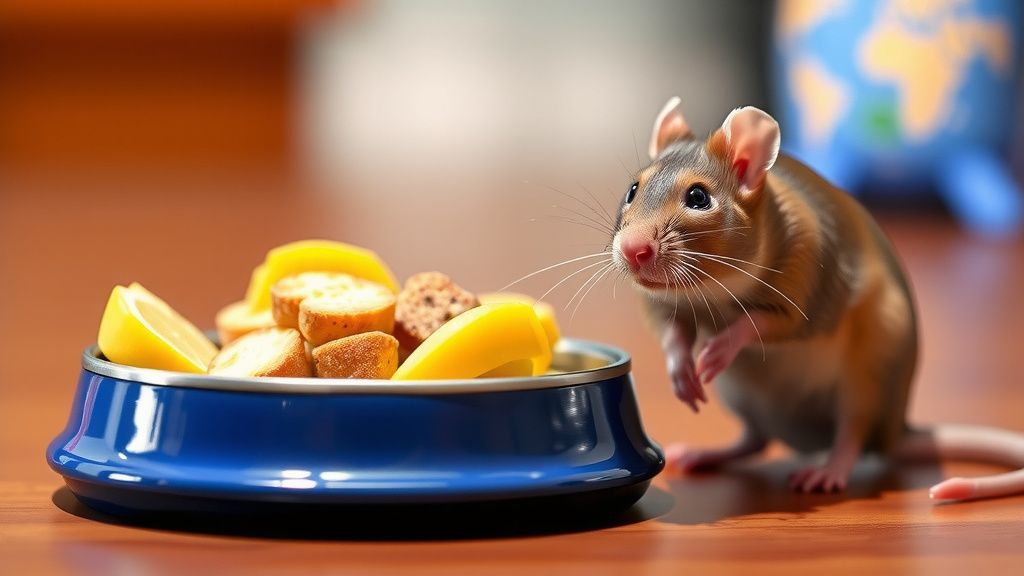
While a good rat pellet should be the staple, rats love a bit of variety! Adding fresh fruits and vegetables can make mealtime more exciting and provide extra vitamins. However, these should be given in moderation. They are supplements, not replacements for their main food.
A good rule of thumb for fresh additions is to offer about a tablespoon of mixed veggies and a tiny piece of fruit per rat, a few times a week. Too many can lead to stomach upset or unhealthy weight gain. Always research safe foods for rats before offering something new.
What About Treats?
A tiny piece of cooked pasta, a small unsalted cracker, or a single sunflower seed (given sparingly, as they are high in fat) can be a great training reward or a special surprise. Limit treats to no more than 5-10% of their total daily intake. Think of them as the sprinkles on top, not the whole cake!
The Importance of Fresh Water
Don’t forget the water! Your rat needs constant access to fresh, clean water. Whether you use a sipper bottle or a heavy ceramic bowl, check it daily. Make sure the sipper bottle isn’t clogged and the bowl is clean. Dehydration can be very dangerous for rats.
Monitoring Your Rat’s Weight and Body Condition
The best way to know if you’re feeding the right amount is to regularly check your rat’s body condition. You should be able to feel their ribs easily with a light touch, but not see them protruding. They should have a defined waist when viewed from above.
If your rat feels too bony, they might need a little more food or a higher-calorie option. If they feel plump and their ribs are hard to find, you might need to cut back slightly on their portions or reduce the number of high-calorie treats. If you’re ever concerned about your rat’s weight, your veterinarian is the best resource.
A Quick Checklist for Portioning Success
Here’s a simple way to keep track:
- Measure out 1-2 tablespoons of high-quality rat food per adult rat daily.
- Offer fresh veggies 2-3 times a week (about a tablespoon per rat).
- Give tiny fruit pieces sparingly, as a special treat.
- Limit high-fat treats like seeds to once or twice a week.
- Always ensure fresh water is available.
- Monitor your rat’s weight and adjust portions as needed.
Conclusion
You’ve learned that feeding your pet rat is about more than just filling a bowl. It’s a careful balance tailored to your rat’s unique needs. Remember, a high-quality diet forms the base, with fresh foods and treats offered in moderation. Always keep fresh water available. Your daily observation is the most important tool to ensure your rat is healthy and happy. Now you have the knowledge to confidently adjust your rat’s portions. Your next step is to start monitoring your rat’s body condition and make those thoughtful adjustments to their diet today!
Frequently Asked Questions
How can I tell if I’m feeding my rat too much or too little?
The best indicator is your rat’s body condition. You should be able to feel their ribs with a light touch, and they should have a visible waist. If they feel too bony, increase their food slightly. If they feel too plump and their ribs are hard to find, reduce their portions or treats.
Can I feed my rat the same food as my hamster or guinea pig?
No, you should not. Different small rodents have very different nutritional needs. Hamster and guinea pig foods lack the specific protein and nutrient balance that pet rats require. Always use a food specifically formulated for rats to ensure they get the right nutrients.
What if my rat is a picky eater and doesn’t finish their food?
If your rat consistently leaves food, it might mean their portion is too large, or they are filling up on treats. Try slightly reducing their main food portion and limit treats. If they are losing weight or seem lethargic, consult your veterinarian to rule out any health issues.
Should I feed my rat wet food or just dry kibble?
A high-quality dry rat kibble should be the primary component of their diet. Wet foods or fresh vegetables can be offered in small amounts a few times a week for variety and extra nutrients. Too much wet food can spoil quickly and may not provide a balanced diet on its own.
How much should I feed a pregnant or nursing rat?
Pregnant and nursing rats have significantly higher energy and nutrient demands. You should offer them a calorie-dense, high-protein food, often a kitten or puppy kibble can be a good supplement, alongside their regular rat food. Offer food freely and ensure they always have access to fresh water.