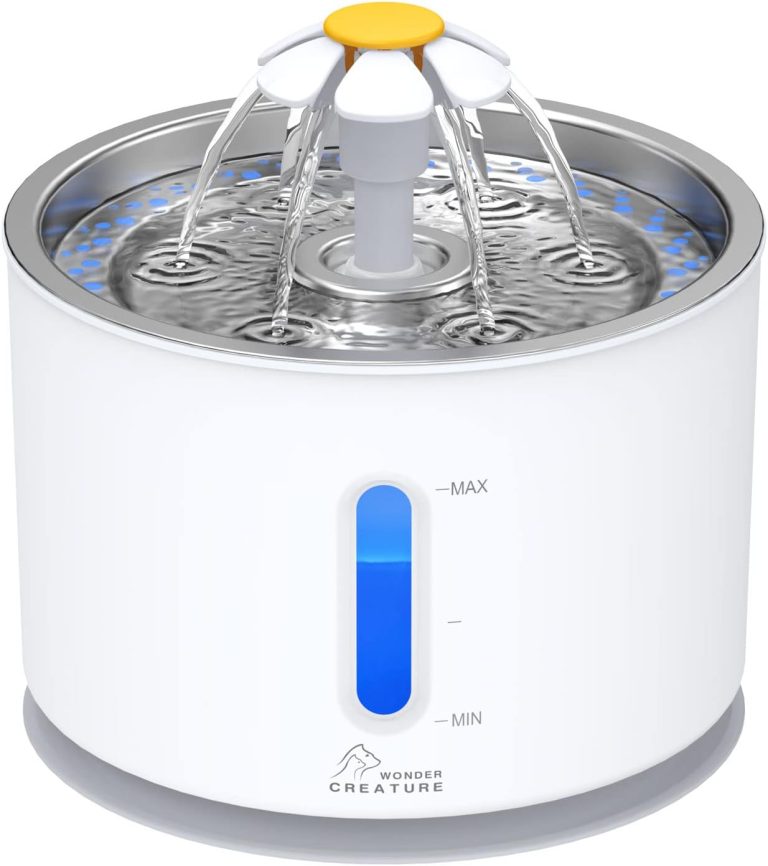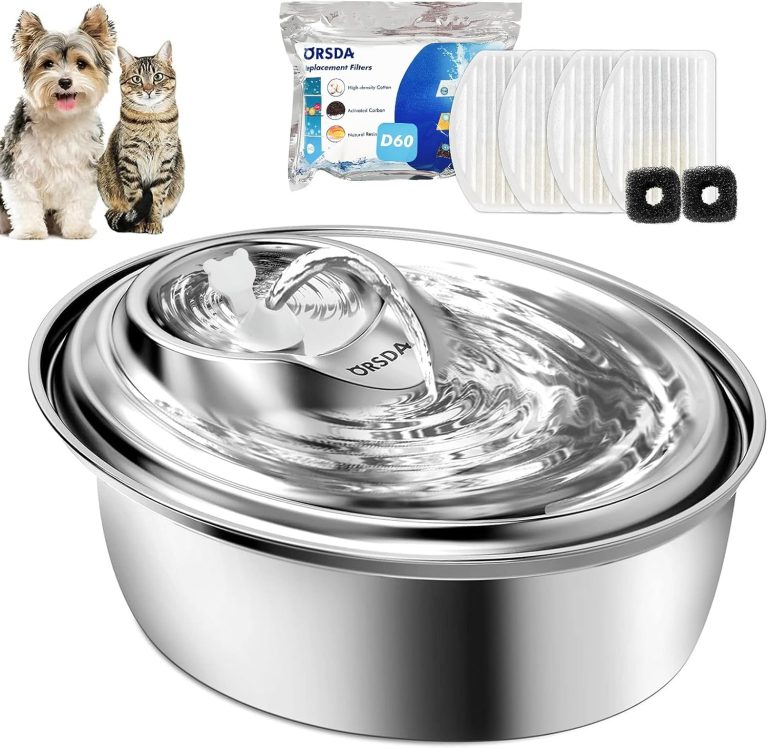
Pet Fountain Water Change Frequency: A Complete Guide
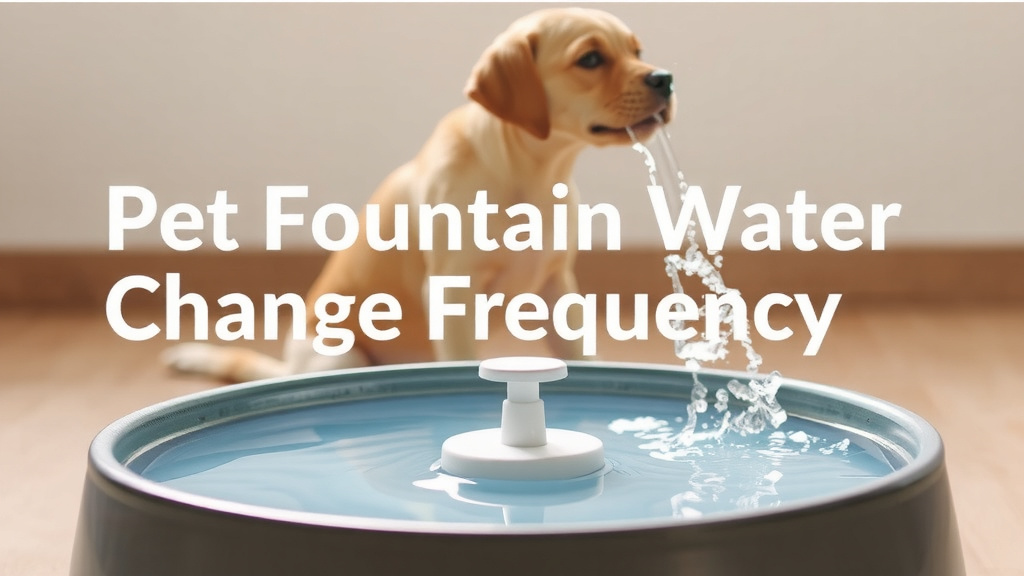
You should change the water in your pet fountain every 2 to 3 days, even if the bowl still looks full. Stagnant water and saliva create a perfect breeding ground for bacteria and slimy biofilm, which can make your cat or dog sick. A quick refresh keeps the water fresh, oxygenated, and inviting for your furry friend.
The water you see is only part of the story. Even with a filter, your pet’s drool, fur, and food particles break down and contaminate the water quickly. We found that routine water changes are just as important as cleaning the pump and filter itself. If you want your fountain to run quietly and last for years, this simple habit is your best defense against grime and motor failure.
- Change the water: Every 2 to 3 days for most pets.
- Full clean: Disassemble and scrub the fountain every 1 to 2 weeks.
- Filter swap: Replace carbon filters every 2 to 4 weeks, depending on usage.
- Pump care: Check the pump for hair and debris during each full clean.
- Warning signs: Slippery surfaces, odor, or noisy pumps mean it needs attention right away.
Below, we break down the exact routine we recommend, along with simple signs that your fountain needs a little extra love. Let’s walk through how to keep those whiskers happy and the water flowing clean.
Finding Your Perfect Fountain Refill Schedule
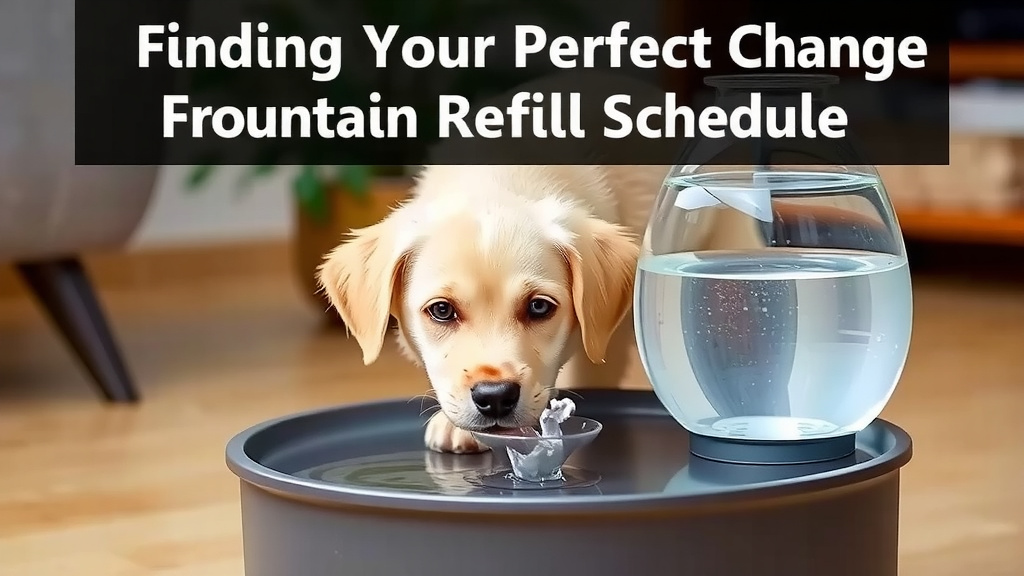
You want the best for your pet, and that means fresh water. We found that a 2 to 3 day refill cycle is the sweet spot for most households. This simple habit stops bacteria before it starts.
Think of the fountain like a goldfish bowl without a filter. It gets gross fast. Your cat’s whiskers and your dog’s slobber introduce germs every time they drink.
Why 2 to 3 Days Works Best
Your pet’s saliva breaks down in water. This creates a film called biofilm. It feels slimy and slippery on the fountain’s surface.
Biofilm can hide harmful bacteria like staph and E. coli. According to research shared by the National Institutes of Health, biofilm forms quickly in warm, wet environments. Even a high-quality filter cannot remove all of it.
Changing the water often means your pet gets cleaner, more oxygenated water. Fresh water also encourages picky drinkers to hydrate more. That is a win for their kidneys and your peace of mind.
What Happens Inside the Water
You see clear water. But under the surface, things are moving. Pet fur, dust, and tiny food crumbs fall into the bowl.
These particles feed bacteria. As they break down, they create odors and cloudy water. Your pump works harder to push this gunk around.
A simple water swap every few days flushes out the bad stuff before it settles. You reset the clock on bacterial growth and keep the motor running smoothly.
The Complete Fountain Cleaning Routine
Water changes are only half the battle. The fountain itself needs a good scrub to stay safe and quiet. We recommend a full teardown every 1 to 2 weeks, depending on your pet’s habits.
Your Weekly Deep Clean Checklist
Set a reminder on your phone for this one. It takes about ten minutes and makes a huge difference in water quality and pump noise.
- Unplug the fountain to ensure safety while you work.
- Take apart every piece – bowl, reservoir, pump, and spout.
- Rinse all parts under warm running water to remove loose debris.
- Scrub with a soft brush and mild dish soap to break down biofilm.
- Soak parts in a vinegar solution (one part vinegar to three parts water) for 10 minutes.
- Rinse thoroughly to remove any soap or vinegar taste before refilling.
This checklist prevents the dreaded slime buildup that clogs pumps and makes that annoying buzzing sound. Your pet will thank you with more drinking and fewer visits to the vet.
How to Clean the Pump Without Damage
The pump is the heart of the fountain. Hair wraps around the impeller and slows it down. We found that a simple cotton swab or old toothbrush works wonders here.
Gently pull apart the pump housing. Look for visible hair or fur tangles. Rinse the impeller under running water and pop it back in.
You do not need special tools or expensive cleaners. Just warm water and a little elbow grease. A clean pump means a quieter fountain and a longer lifespan for the device.
Filter Swap Frequency and Best Practices
Filters are not permanent. They capture impurities until they get full. Then they sit there and do nothing, or worse, release trapped debris back into the water.
When to Replace Carbon Filters
Most manufacturers recommend a new filter every 2 to 4 weeks. If you have multiple pets or a heavy drinker, lean toward the 2-week mark.
Keep an eye on the water flow. If the stream slows down, the filter is likely clogged. Swapping it early is always safer than waiting for a visible problem.
Here is a simple guide based on pet type and usage:
| Pet Type | Filter Replacement | Water Change |
|---|---|---|
| Single cat | Every 3 to 4 weeks | Every 3 days |
| Single dog | Every 2 to 3 weeks | Every 2 days |
| Multiple pets | Every 1 to 2 weeks | Daily to every 2 days |
| Long-haired breeds | Every 2 weeks | Every 2 days |
This table helps you plan ahead. It also reminds you that your routine matters more than the filter. A dirty fountain with a new filter is still dirty.
Signs Your Fountain Needs Immediate Attention
Your fountain talks to you. You just have to listen. We found that ignoring the warning signs leads to expensive replacements and sick pets.
Visual Cues That Cannot Be Ignored
Slippery surfaces are a red flag. Run your finger along the inside of the bowl. If it feels slick, you have biofilm. That requires a full clean right away, not later.
Cloudy water or floating particles mean the filter is overwhelmed. Do not wait for the scheduled change. Swap the water and the filter now.
Auditory and Other Alerts
A quiet hum is normal. A whining or gurgling sound is not. That noise often means the pump is struggling with debris. Unplug it and give it a good rinse.
Smell is another clue. If your fountain has a foul odor near the stream, bacteria are winning. Many experts say that odor is your cue to break out the soap and scrub everything down.
Adjusting Frequency for Special Situations
Your home is unique. Your pets have their own quirks. We found that some households need to change water more often than the standard 2 to 3 days.
Hot Weather and Active Pets
Summer heat makes water evaporate and concentrate minerals. It also encourages faster bacterial growth. During hot months, daily water changes might be necessary to keep the fountain fresh.
Active dogs that slobber heavily after playtime introduce more saliva. If you have a drooly drinker, check the water daily. A quick rinse and refill works wonders.
When Your Pet Eats Near the Fountain
Some pets like to dip their kibble in water. It softens the food, but it also drops crumbs everywhere. If your pet does this, treat your fountain like a dirty dish.
You may need to change the water once a day to keep it appetizing. That is a small price for a healthy pet and a clean fountain.
The Best Cleaning Products for Pet Fountains
You do not need harsh chemicals to keep things clean. In fact, you should avoid bleach or strong cleaners. They leave residues that can hurt your pet.
Safe and Effective Options
Plain white vinegar is your best friend. It cuts through slime, removes mineral deposits, and it is completely safe when rinsed well. Warm water and dish soap are also perfect for everyday scrubbing.
Baking soda can help with tough stains, but it requires extra rinsing. We found that sticking to the basics keeps your pet safe and your fountain mint.
Always check the manual before using anything. Some plastics are more porous and absorb odors. A good rinse with warm water after any cleaning removes the taste before your pet drinks.
Why Fresh Water Matters for Your Pet’s Health
Hydration is non-negotiable for pets. Cats especially are prone to urinary tract issues when they do not drink enough. A moving fountain naturally attracts them, but a dirty one turns them away.
Research from veterinary sources shows that fresh water encourages more drinking. That reduces the risk of kidney disease, bladder stones, and dehydration.
The Psychological Boost
Pets are picky. They smell things we cannot. If the water tastes off, they will ignore the fountain and find a puddle or a toilet instead.
A clean fountain keeps your pet happy and hydrated. It is a small effort that makes a massive difference in their daily routine. You have already bought the fountain, so why not keep it working at its best?
Regular water changes are not just maintenance. They are a way to show your pet you care. Set a schedule, stick to it, and enjoy the peace of mind that comes with knowing your furry friend is drinking clean, safe water every single day.
Conclusion
Keeping your pet fountain fresh comes down to one simple habit: change the water every 2 to 3 days. That small step stops biofilm, bacteria, and slime from building up between deep cleans.
You also need to scrub the fountain every 1 to 2 weeks and swap filters on a regular schedule. A quiet pump and a happy drinker are your rewards for staying consistent.
Here is your next step: set a recurring reminder on your phone right now. Pick a day and time that works for you. When it goes off, spend two minutes refreshing the water. You will protect your pet’s health and get years of extra life out of your fountain.
Frequently Asked Questions
Can I leave tap water in my pet fountain overnight?
Yes, tap water is fine to leave overnight. The bigger issue is how long it sits before you change it.
Tap water itself does not go bad quickly. The saliva and debris your pet adds are what cause bacteria to grow. Stick to the 2 to 3 day routine and tap water works perfectly.
Is bottled water better for a pet fountain?
Bottled water is not necessary unless your tap water is heavily treated with chlorine or has strong mineral tastes.
Most pets do just fine with regular tap water. If your pet refuses to drink, try filtered tap water or bottled water to rule out taste issues. Your cleaning schedule stays the same either way.
What happens if I forget to change the water for a week?
You will likely see cloudy water, a slippery film, or a bad smell. Your pump may also get louder as debris builds up.
Do not panic. Do a full teardown, scrub every piece with warm soapy water, and rinse well. Replace the filter and refill with fresh water. Your fountain will be back to normal quickly.
Should the fountain run 24/7 during a water change?
You need to unplug the fountain during any cleaning or water change. Running it while disassembled can damage the pump.
Once you refill the fountain, plug it back in and let the pump prime itself. You will know it is working when you see a steady stream of water. Running it 24/7 after that is perfectly fine and helps keep the water oxygenated.
Does the type of pet fountain material change how often I clean it?
Plastic fountains often need slightly more frequent cleaning because they absorb odors and scratch easily.
Stainless steel and ceramic fountains have smoother surfaces that resist biofilm for a bit longer. Even so, you should stick to the same 2 to 3 day water change schedule. The material affects ease of cleaning, not the overall safety timeline.