
How Often Should You Feed a Pet Rabbit?
Feeding your pet rabbit the right amount is key to their health. Most adult rabbits need unlimited access to hay, and about 1 cup of fresh vegetables per 2 pounds of body weight daily. They also need a small amount of high-quality rabbit pellets, around 1/8 cup per 5 pounds of body weight.
Your rabbit’s dietary needs change as they grow. Young bunnies have different requirements than adults. Proper nutrition helps prevent common health issues like digestive problems and obesity. Providing a balanced diet is the best way to keep your bunny happy and healthy for years to come.
- Hay is the most important food for rabbits.
- Offer fresh veggies daily.
- Pellets should be given in moderation.
- Fresh water must always be available.
- Diet needs change with age and health.
Below, we’ll break down exactly how much to feed your rabbit and why it matters so much for their well-being.
Understanding Your Rabbit’s Daily Feeding Schedule
Figuring out the right feeding schedule for your pet rabbit is easier than you might think. The key is consistency and understanding what their bodies truly need. Rabbits are grazing animals by nature. This means they are designed to eat small amounts throughout the day.
So, how often should you feed your bunny? For most adult rabbits, it’s less about strict meal times and more about having constant access to certain foods. We’re talking about unlimited hay and fresh water. Then, you add in their daily portions of greens and pellets. Think of it like a buffet, but a very healthy one!
The Hay Foundation: More Than Just a Staple
Hay is the undisputed champion of a rabbit’s diet. It should make up about 80-90% of what they eat. Why is hay so important? It’s packed with the fiber your rabbit needs for a healthy digestive system. Without enough fiber, your bunny can face serious health issues like GI stasis, which is a common and dangerous condition.
You should never limit hay for an adult rabbit. Keep a constant supply in their enclosure. Timothy hay, orchard grass, or meadow hay are excellent choices for adult rabbits. Younger rabbits, or those under 7 months, can have alfalfa hay. Alfalfa is richer and has more calcium, which growing bunnies need. But for adults, it can lead to health problems like bladder stones (NCBI).
When you feed hay is less critical than ensuring it’s always available. Imagine your rabbit nibbling throughout the day and night. That’s the goal! You can refill their hay rack or pile in the morning and again in the evening. This ensures they always have something healthy to munch on.
Fresh Greens: The Daily Delight
Beyond hay, your rabbit needs a daily dose of fresh, leafy greens. This is where you can add variety and important vitamins and minerals. For adult rabbits, aim for about 1 cup of packed greens per 2 pounds of body weight each day. This might sound like a lot, but rabbits are small creatures.
When should you offer these greens? It’s best to give them once or twice a day. Many owners choose to offer them in the morning after refilling the hay, or in the evening. It doesn’t need to be a specific “mealtime.” It’s more like replenishing their daily nutritional intake. This helps keep things regular and predictable for your bunny’s digestion.
What kind of greens? A good mix is best. Think dark, leafy vegetables like romaine lettuce, kale, parsley, cilantro, and dill. You can also include things like carrot tops (not the carrot itself, too much sugar!) or bell peppers. Always introduce new greens slowly, one at a time, to watch for any digestive upset. We found that a rotation of 3-4 different types of greens daily is ideal.
Introducing New Foods Safely
If you’re introducing a new vegetable, start with a tiny amount. Just a tablespoon or so for an average-sized rabbit. Watch your bunny for the next 24 hours. Look for any changes in their droppings, like softer stools or diarrhea. If all looks good, you can gradually increase the amount and frequency.
Pellets: The Supplement, Not the Main Meal
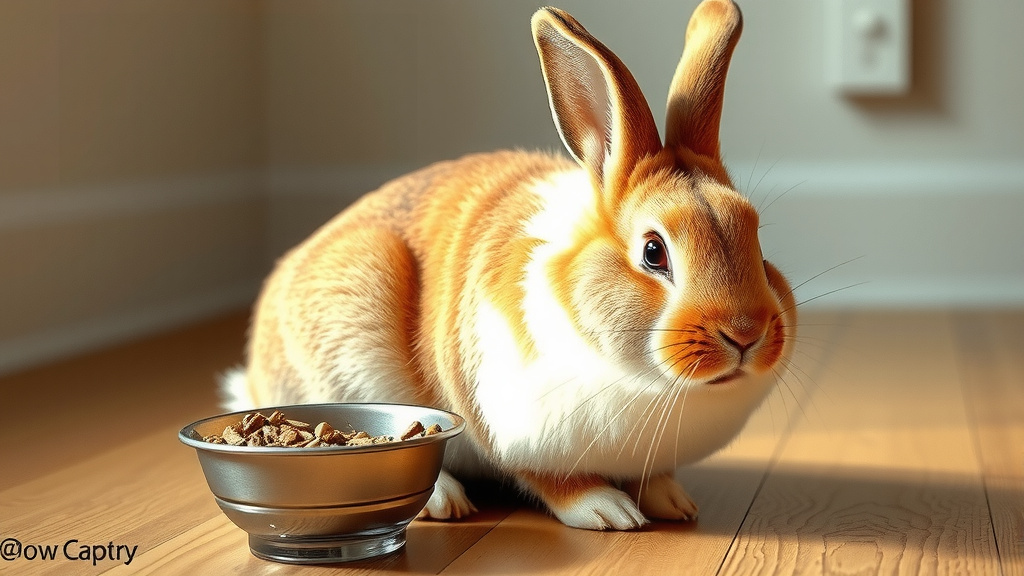
Rabbit pellets are a concentrated source of nutrients. They are important, but they should be given in moderation. Overfeeding pellets can lead to obesity and other health problems. Experts recommend about 1/8 cup of high-quality pellets per 5 pounds of body weight per day for adult rabbits.
Many rabbit owners choose to give pellets once a day, often in the evening. This can serve as a small “treat” or a way to ensure they get those extra vitamins and minerals. Some owners spread it out into two smaller feedings. The important thing is the total daily amount. It should be measured carefully.
What makes a “high-quality” pellet? Look for brands with at least 18% fiber and around 14% protein for adult rabbits. Avoid pellets with added seeds, nuts, or colorful bits, as these are often unhealthy fillers. For young, growing rabbits (under 7 months), a higher protein alfalfa-based pellet is appropriate, but this should be discussed with your vet.
| Food Type | Amount | Frequency/Notes |
|---|---|---|
| Hay | Unlimited | Available 24/7. Timothy, orchard, meadow grass. |
| Fresh Greens | 1 cup per 2 lbs body weight | Once or twice daily. Variety is key. |
| Pellets | 1/8 cup per 5 lbs body weight | Once or twice daily. High-fiber, plain pellets. |
| Fresh Water | Unlimited | Available 24/7. In a heavy ceramic bowl or a sipper bottle. |
Water, Water Everywhere
You absolutely must ensure your rabbit has access to fresh, clean water at all times. This is non-negotiable! Dehydration can happen quickly and is very dangerous for rabbits. They should always have a full water source available.
You can offer water in a heavy ceramic bowl or a sipper bottle. Some rabbits prefer one over the other. Bowls can get dirty more easily, so you might need to change the water multiple times a day. Sipper bottles are convenient but can sometimes clog or leak. Check both daily to ensure they are clean and full.
Special Considerations: Age and Health
Your rabbit’s dietary needs will change throughout their life. Young bunnies, called kits, have different nutritional requirements than adult rabbits. They need more protein and calcium for growth. Many experts recommend a good quality alfalfa-based pellet for kits up to about 7 months old.
Once your rabbit reaches adulthood, you’ll transition them to an adult diet, typically a timothy-based pellet. This transition should be done gradually over a week or two to avoid digestive upset. If your rabbit has health issues, such as dental problems, kidney disease, or is overweight, their diet might need to be adjusted. Always consult with a rabbit-savvy veterinarian for personalized advice.
Dietary Adjustments for Health Conditions
For instance, a rabbit with dental issues might benefit from softer hay or a slightly higher pellet amount to ensure they are getting enough calories. Conversely, an overweight rabbit will need their pellets and treat intake strictly controlled, with more emphasis on unlimited hay and a wider variety of low-calorie greens.
Treats: A Tiny Part of the Picture
Treats should be given sparingly. Think of them as an occasional bonus, not a daily staple. Small pieces of rabbit-safe fruits like apple (no seeds!), banana, or berries can be offered. Again, these are high in sugar and should be tiny portions, maybe once or twice a week at most. Some fresh vegetables, like carrots, are also considered treats due to their sugar content.
A healthy treat can also be a new, safe herb you are introducing. Or a tiny piece of a healthy vegetable they don’t get every day. Always research if a treat is safe before offering it. And remember, too many treats can disrupt their delicate digestive system and lead to health problems.
Your Rabbit’s Feeding Routine Checklist
To keep your bunny happy and healthy, follow these simple steps:
- Daily: Ensure unlimited fresh hay is always available.
- Daily: Provide a fresh supply of clean water.
- Once or Twice Daily: Offer a measured portion of fresh, leafy greens.
- Once or Twice Daily: Give the correct, measured amount of high-quality pellets.
- Weekly (or less): Offer tiny, safe fruit or special veggie treats.
- Always: Monitor your rabbit’s appetite and droppings for any changes.
Conclusion
You’ve learned that a rabbit’s diet is all about consistent access to the right foods. Unlimited hay and fresh water form the foundation, supporting their digestion. Daily greens provide essential nutrients, while measured pellets offer a healthy supplement. Remember that your rabbit’s needs change with age and health, so always monitor them closely. By following these guidelines, you’re setting your bunny up for a long, happy, and healthy life. Your next step? Ensure their hay rack is always full and their water bowl is fresh!
Frequently Asked Questions
How much hay do baby rabbits need?
Baby rabbits, or kits, up to about 7 months old can have alfalfa hay. It’s richer and provides the calcium and protein they need for growth. While they can have unlimited alfalfa, it’s best to transition them slowly to timothy or orchard grass hay as they approach adulthood.
Can I feed my rabbit the same vegetables every day?
While variety is great, it’s not strictly necessary to switch up their greens daily. The most important thing is to offer a good mix of safe, leafy vegetables consistently. Aim for 3-4 different types over the week to ensure a broad spectrum of nutrients.
What time of day is best to give my rabbit pellets?
There’s no single “best” time to give your rabbit pellets. Many owners find it convenient to offer them in the evening, perhaps as a small supplement to their meal. The key is to ensure you are giving the correct daily amount, whether split into two feedings or given all at once.
How do I know if my rabbit is eating enough greens?
Monitor your rabbit’s weight and droppings. If they are actively eating their greens, and their droppings are consistently round and firm, they are likely getting enough. A decrease in appetite or changes in droppings (like soft stools) could indicate a problem with their diet or health.
Should I give my rabbit treats every day?
No, treats should be given very sparingly, if at all. Rabbits have sensitive digestive systems, and too many sugary treats like fruit or high-carb vegetables can cause serious health issues. A tiny piece of a safe fruit or a new herb once or twice a week is plenty.