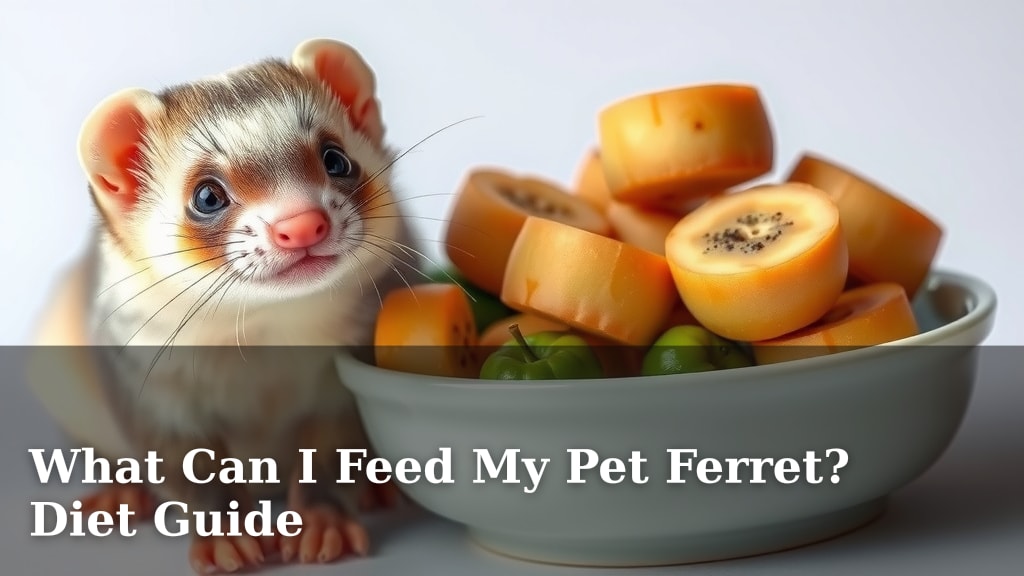
What Can I Feed My Pet Ferret? Diet Guide
You can feed your pet ferret a diet that is high in animal protein and fat, with very few carbohydrates or fiber. Ferrets are obligate carnivores, meaning they must eat meat to survive and thrive. This diet mimics what they would eat in the wild, which typically consists of whole prey like mice or rabbits.
Choosing the right food is essential for your ferret’s health and happiness. A diet that’s not properly balanced can lead to serious health issues. We found that many ferret owners overlook the importance of specific nutrients, so understanding what your ferret needs is key to providing the best care.
- Ferrets need a high-protein, high-fat diet.
- Look for foods with meat as the first few ingredients.
- Avoid foods high in grains, fruits, and vegetables.
- Kibble specifically formulated for ferrets is usually the best option.
Let’s walk through exactly what makes a great ferret diet and how to make sure your little noodle is getting the very best!
So, you’ve got a slinky, curious ferret and you want to make sure you’re feeding them just right. It’s totally understandable! These little guys have some pretty specific dietary needs. They aren’t like dogs or cats, so we can’t just toss them any old pet food. Let’s dive into what makes a ferret’s tummy happy and healthy.
Understanding Your Ferret’s Natural Diet
Think about what ferrets evolved to eat in the wild. They are obligate carnivores. This means their bodies are designed to get all their nutrition from animal sources. They’d naturally hunt and eat small prey like rodents, rabbits, and birds. These whole prey meals provide the perfect balance of protein, fat, and essential nutrients that ferrets require to thrive.
Their digestive system is short and built for processing meat. They can’t break down plant matter very well. This is a key difference from animals that are omnivores or herbivores. We found that understanding this natural diet is the first step to choosing the best food for your pet.
Key Components of a Healthy Ferret Diet
When you look at ferret food, you want to see a few things front and center. The most important ingredients should be animal-based. This means you’re looking for meat, meat meal, or animal fat listed as the first few items on the ingredient list. We found that many high-quality ferret foods will clearly highlight this.
Protein is King
Ferrets need a high protein diet. We’re talking about a minimum of 30-40% crude protein. This protein should primarily come from animal sources. Plant-based proteins just don’t cut it for ferrets. Their bodies need the amino acids found in animal tissue to build and repair themselves. Many guidelines point to animal protein as the most bioavailable for ferrets (NCBI).
Fat Matters Too!
Next up is fat. Your ferret needs a diet that is also high in fat, typically between 18-30%. Animal fats provide energy and are essential for absorbing certain vitamins. Just like protein, the fat content should come from animal sources. We found that a good balance of protein and fat is what keeps your ferret active and healthy.
What About Carbs and Fiber?
Ferrets do not need a lot of carbohydrates or fiber in their diet. Their short digestive tracts aren’t designed to process them efficiently. Foods high in grains, fruits, or vegetables can actually cause digestive upset. We found that excessive fiber can interfere with nutrient absorption. So, when you’re looking at labels, keep those carb and fiber percentages low.
Choosing the Right Ferret Food
So, how do you translate this into actual food? The easiest and most recommended option for most ferret owners is kibble specifically formulated for ferrets. These foods are designed with their unique needs in mind. However, not all ferret kibble is created equal.
The Best Kibble Choices
When selecting kibble, always check the ingredient list. Look for a high-quality, animal-based protein source like chicken or lamb as the first ingredient. Avoid foods that list corn, wheat, or vegetable proteins high up. We found that many owners have success with brands specifically marketed for ferrets. Some cat foods can be an option, but you need to be extremely careful with the ingredient list.
Here’s a quick guide to what to look for and what to avoid:
| Good to Have | Avoid |
|---|---|
| Meat or Meat Meal (Chicken, Lamb) as first ingredient | Corn, Wheat, Grains as first ingredients |
| High Protein (30-40%) | Low Protein (under 30%) |
| High Fat (18-30%) | Low Fat (under 18%) |
| Animal Fat sources | Vegetable Oils (as primary fat source) |
| Low Fiber (under 3%) | High Fiber (over 3%) |
| Taurine and other essential amino acids | Sugars, Artificial Dyes, Preservatives |
Can You Feed Wet Food?
Some people choose to feed wet food. If you go this route, it must also meet the high protein, high fat, and low carb requirements. Often, kitten wet food can be a suitable option, provided it has a meat-first ingredient list and no added vegetables or fruits. We found that consistency is key with wet food, so choose a product you can reliably find.
Treats and Supplements: What’s Okay?
Treats should be given sparingly. Because ferrets have short digestive tracts, they can’t handle a lot of extra food. The best treats are meat-based. Think small pieces of cooked meat (no spices or sauces!), or commercially made meat treats designed for ferrets. We found that many small animal treats are too sugary or contain ingredients that aren’t good for ferrets.
What to Steer Clear Of
You might be tempted to give your ferret bits of fruit or vegetables, but it’s best to avoid them. Ferrets can’t digest these well. Even healthy human foods like raisins or chocolate are toxic to ferrets. Many experts say that giving these can lead to serious health problems, including blockages or pancreatitis (Veterinary Partner). Always double-check if a treat is safe before offering it.
Supplements? Usually Not Needed.
If you are feeding a high-quality, complete ferret kibble, your ferret likely won’t need supplements. These foods are already balanced to provide all the necessary vitamins and minerals. If you’re unsure, it’s always best to speak with your veterinarian. They can assess your ferret’s diet and health. We found that over-supplementation can sometimes cause more harm than good.
Making the Switch to a New Food
If you need to change your ferret’s diet, do it gradually. Ferrets can have sensitive stomachs. A sudden change can cause upset. Start by mixing a small amount of the new food with their old food. Slowly increase the amount of new food over a week or two. We found that this gradual transition helps their digestive system adjust.
Keeping Your Ferret Hydrated
Fresh, clean water should always be available. Ferrets can drink from sipper bottles or heavy ceramic bowls. Make sure to clean their water source regularly. We found that good hydration is as important as a good diet for your ferret’s overall health.
To recap, here’s a quick checklist for feeding your ferret:
- Choose kibble with meat as the first ingredient.
- Ensure high protein and high fat content.
- Keep carbohydrates and fiber low.
- Offer meat-based treats only in moderation.
- Always provide fresh, clean water.
- Transition to new foods slowly.
Conclusion
You’ve learned that your ferret thrives on a diet rich in animal protein and fat, just like their wild ancestors. By focusing on high-quality kibble with meat as the first ingredient, you’re setting your little one up for optimal health. Remember to avoid foods high in grains, fruits, and vegetables, and always offer treats sparingly and wisely. Making informed food choices is a direct way you show your ferret love and care. Your next step? Review your current ferret food’s ingredient list and make a switch if needed to ensure they’re getting the best possible nutrition.
Frequently Asked Questions
Can I feed my ferret cat food?
You can sometimes feed your ferret cat food, but you must be extremely careful. It needs to meet the same high-protein, high-fat, and low-carbohydrate requirements as ferret-specific food. Always check the ingredient list thoroughly to ensure meat is the primary protein source and grains are minimal.
How much should I feed my ferret each day?
Ferrets typically eat 3-5 small meals a day, and they often free-feed, meaning kibble is available at all times. Your ferret will self-regulate its intake. Keep an eye on their weight; if they seem to be gaining too much or losing too much, consult your vet about portion adjustments.
What are the signs of a bad diet in a ferret?
Signs of a poor diet can include dull fur, lethargy, digestive upset like diarrhea or constipation, and weight loss. If you notice these symptoms, it’s a strong indicator that their current food isn’t meeting their nutritional needs, and you should consult your veterinarian.
Are vegetables or fruits ever okay for ferrets?
Generally, no. Ferrets are obligate carnivores and cannot digest plant matter effectively. While small amounts of certain fruits might not be immediately harmful, they offer no nutritional benefit and can cause digestive issues or blockages. It’s best to stick to meat-based foods and treats.
How do I know if my ferret’s food is fresh?
Check the expiration date on the food packaging regularly. Store kibble in an airtight container in a cool, dry place to maintain freshness and prevent spoilage. If the food looks or smells stale, or has been open for too long, it’s time to replace it.