What Can I Feed My Pet Turtle? Daily Diet & Supplements
So you’ve just brought home an adorable little turtle, or maybe you’ve had one for a while and you’re wondering if you’re feeding it the right stuff. The truth is, figuring out what to feed a pet turtle can feel overwhelming at first. There’s so much conflicting information online, and you want to make sure your shelled friend gets everything it needs to thrive. Well, I’m here to tell you that feeding a turtle doesn’t have to be complicated once you understand the basics.
Understanding Your Turtle’s Nutritional Needs
Before we dive into the specifics of what foods your turtle can eat, let’s talk about why nutrition matters so much for these creatures. Your turtle’s diet directly impacts its shell health, immune system, lifespan, and overall quality of life. Think of feeding your turtle like building a house—you need the right materials to create something strong and lasting. Without proper nutrition, your turtle might develop shell deformities, become lethargic, or face serious health complications down the line.
The Three Main Food Categories for Turtles
Pet turtles are omnivores, which means they eat both plant material and animal protein. However, the exact ratio depends on the species you own. Some turtles lean more heavily toward vegetables, while others prefer meat-based foods. Understanding these three main categories will help you create a balanced diet:
- Protein sources from animals and insects
- Leafy greens and aquatic vegetation
- Calcium and vitamin supplements
Animal-Based Protein: The Meat of the Matter
Let me start with something that might surprise you: your turtle doesn’t need to eat live prey to be healthy and happy. I know watching nature documentaries might make you think otherwise, but captive turtles can thrive on a variety of prepared protein sources.
Feeder Fish and Aquatic Animals
Feeder fish are a classic choice for turtle owners, and for good reason. Fish like guppies, minnows, and goldfish provide excellent protein and mimic what your turtle would eat in the wild. However, there’s something important you should know about goldfish specifically. While turtles love them, goldfish contain thiaminase, an enzyme that breaks down vitamin B1. This means if goldfish are your turtle’s primary food source, they could eventually develop a deficiency. Save goldfish as an occasional treat rather than a staple.
If you want to stick with fish, consider feeder guppies or minnows instead. They’re nutritionally complete, affordable, and most turtles find them irresistible. You can offer these live or frozen, whichever your turtle prefers.
Insects: Tiny Powerhouses of Nutrition
Here’s something that fascinates many turtle owners: insects are absolutely packed with nutrition. Crickets, mealworms, earthworms, and dubia roaches are all excellent sources of protein that your turtle will love.
- Crickets: An affordable and easily available option that most turtles enjoy hunting
- Mealworms: Higher in fat than crickets, so offer these more sparingly
- Earthworms: Great for aquatic turtles and easier to digest than some other insects
- Dubia roaches: Clean, nutritious, and they won’t escape your home like regular roaches
Other Prepared Proteins
You can also feed your turtle small pieces of cooked chicken or lean beef, though these should be occasional additions rather than regular staples. Some turtle owners also use commercial turtle pellets, which are formulated to provide balanced nutrition. The key is variety—don’t rely on just one protein source.
Leafy Greens and Vegetables: The Foundation of a Healthy Diet
Now let’s talk about the vegetables. Here’s the thing about feeding vegetables to your turtle: not all greens are created equal. Some are packed with calcium and minerals, while others might actually work against your turtle’s health if fed too frequently.
The Best Leafy Greens for Your Turtle
Think of dark, leafy greens as the superheroes of the vegetable world. These varieties are low in oxalates, which means they won’t interfere with your turtle’s calcium absorption. Here are the champions:
- Collard greens: The gold standard—packed with calcium and low in oxalates
- Mustard greens: Another calcium-rich option that turtles typically enjoy
- Turnip greens: Similar benefits to collard and mustard greens
- Kale: Nutritious but should only be offered occasionally due to higher oxalate content
- Dandelion greens: If you can source them, these are wonderfully nutritious
Vegetables to Limit or Avoid
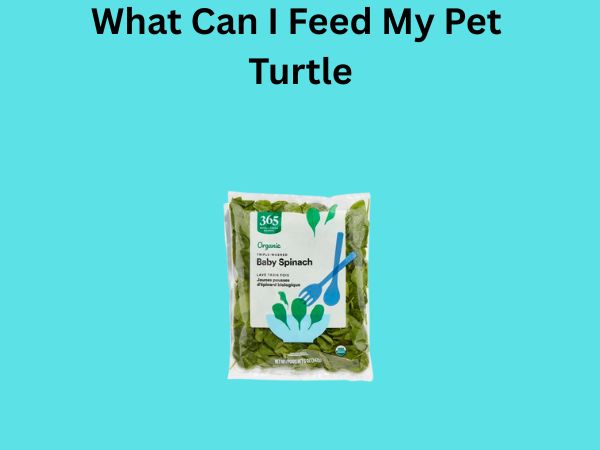
Some vegetables might seem healthy but can actually cause problems for your turtle. Spinach, for example, is wonderful for humans but terrible for turtles. It’s loaded with oxalates that bind up calcium and prevent your turtle’s body from absorbing it. Iceberg lettuce is another one to skip—it’s mostly water and has virtually no nutritional value. Think of feeding your turtle iceberg lettuce like trying to fill up on air.
Other vegetables to use sparingly include:
- Kale (too high in oxalates for regular feeding)
- Swiss chard (another oxalate culprit)
- Beet greens (high oxalate content)
- Rhubarb leaves (toxic to turtles)
- Avocado (contains persin, which is toxic)
Other Vegetables Your Turtle Can Enjoy
Beyond leafy greens, you can expand your turtle’s vegetable intake with options like:
- Squash (butternut, acorn, or zucchini)
- Carrots (raw or cooked)
- Bell peppers (in moderation)
- Green beans
- Pumpkin (plain, not pie filling)
- Cucumber (mostly water but hydrating)
The Role of Calcium and Vitamins in Your Turtle’s Diet
Here’s where many new turtle owners miss the mark. You could be feeding your turtle the perfect mix of proteins and vegetables, but without proper supplementation, your turtle might still develop serious health issues. Calcium isn’t optional—it’s essential.
Why Calcium Matters So Much
Your turtle’s shell isn’t just for protection; it’s a living tissue that constantly needs calcium to stay strong. Without adequate calcium, your turtle can develop shell rot, metabolic bone disease, and a host of other complications. I can’t stress this enough: calcium supplementation is non-negotiable for captive turtles.
Types of Calcium Supplements
You have several options when it comes to calcium supplements:
- Calcium powder without vitamin D3: Use this 2-3 times per week by dusting it on food
- Calcium powder with vitamin D3: Offer this less frequently, about once per week, since D3 can accumulate in your turtle’s system
- Cuttlebone: Place this in your turtle’s tank for it to nibble on naturally
- Calcium blocks: Similar to cuttlebone, these provide natural calcium access
Vitamin Supplements Beyond Calcium
While calcium takes the spotlight, other vitamins matter too. Vitamin A is crucial for your turtle’s eyesight and immune system, and vitamin D3 helps with calcium absorption. A quality multivitamin supplement, used once per week or every two weeks, can help cover any nutritional gaps in your turtle’s diet.
How Often Should You Feed Your Turtle?
Feeding frequency depends on your turtle’s age. This is where a lot of people get confused, so let’s break it down clearly.
Feeding Young Turtles
Hatchlings and juvenile turtles have faster metabolisms and growing bodies. They need to eat more frequently than adults—typically every single day. Their diet should skew toward protein since they’re building muscle and bone mass rapidly. Aim for about 50% protein and 50% vegetables for young turtles.
Feeding Adult Turtles
Once your turtle reaches adulthood (usually around 5-7 years old, depending on species), you can reduce feeding frequency. Most adult turtles thrive on feeding every other day or even every three days. As your turtle ages, it should eat more vegetables relative to protein—typically 60% vegetables and 40% protein. This shift reflects the fact that adult turtles have slower metabolisms and reduced growth needs.
Senior Turtles
Older turtles might eat even less frequently than younger adults. Some senior turtles do fine eating just 2-3 times per week. However, pay attention to your individual turtle. If it seems hungry or is losing weight, adjust accordingly.
Creating a Balanced Weekly Feeding Schedule
Let me give you a practical example of what a week might look like for an adult turtle. This should help make everything concrete and actionable.
Sample Adult Turtle Feeding Schedule
Monday: Offer a mix of collard greens, squash, and mealworms. Dust the mealworms with calcium powder.
Tuesday: Offer small feeder fish or crickets. This is a protein day.
Wednesday: Rest day—no food.
Thursday: Offer a salad of mixed dark greens with bell pepper. This is primarily a vegetable day.
Friday: Offer feeder guppies and dust with multivitamin supplement.
Saturday: Rest day—no food.
Sunday: Offer vegetables and earthworms.
Notice the pattern? You’re alternating between protein-focused days and vegetable-focused days, with occasional rest days. This mimics what a turtle would experience in nature and helps maintain digestive health.
Special Dietary Considerations for Different Turtle Species
Not all turtles are the same, and their dietary preferences can vary significantly. Here’s where knowing your specific turtle species becomes important.
Aquatic Turtles: Red-Eared Sliders and Painted Turtles
Red-eared sliders and painted turtles are primarily aquatic and tend to be more omnivorous as they age. Young sliders are almost entirely carnivorous, but as they mature, they should eat increasingly more vegetables. By adulthood, your slider should be eating about 50-60% vegetables. They love to hunt in water, so offering live fish or feeder insects that sink is perfect for them.
Box Turtles: The Vegetable Lovers
Box turtles are primarily herbivorous, especially as adults. While they do eat insects and other small invertebrates, vegetables should make up the bulk of their diet—around 80-90%. This is completely different from red-eared sliders, so make sure you know what you’re working with.
Tortoises: The Herbivores
If you have a tortoise rather than an aquatic or semi-aquatic turtle, it’s almost entirely herbivorous. The focus should be on high-fiber, low-protein vegetables and grasses. Commercial turtle pellets are generally not appropriate for tortoises.
Foods to Never Feed Your Turtle
Just as important as knowing what to feed your turtle is knowing what absolutely to avoid. Some foods can poison or seriously harm your turtle.
Toxic Foods and Plants
- Avocado: Contains persin, which is toxic to turtles
- Rhubarb: Toxic leaves and high oxalate content in the stems
- Daffodils and lilies: Highly toxic if your turtle munches on aquatic plants
- Fireflies: Toxic to many turtle species
- Raw beans: Contain toxins that are destroyed by cooking
- Chocolate: Toxic just like it is for dogs and cats
Foods to Avoid for Other Reasons
Beyond outright toxic foods, some items should be avoided because they’re nutritionally inappropriate or pose choking hazards:
- Processed human foods
- Insects caught in the wild (potential parasites and pesticide exposure)
- Prey items that are too large (choking hazard)
- Dairy products (turtles are lactose intolerant)
Hydration: Don’t Forget About Water
You might be wondering where hydration fits into feeding your turtle. While we’re talking about food, water is equally important. Aquatic turtles get much of their hydration from their environment, but they also need to drink. Semi-aquatic and terrestrial turtles especially need regular access to clean water for drinking and soaking.
Offer vegetables with high water content like cucumber, and make sure your turtle’s water setup is clean and regularly changed. Dehydration can cause serious health problems, so don’t overlook this aspect of care.
Common Feeding Mistakes to Avoid
Let me share some errors I see turtle owners make repeatedly, so you can avoid them:
Overfeeding
This is probably the number one mistake. Your turtle might look adorable begging for food, but overfeeding leads to obesity, digestive problems, and a shortened lifespan. Stick to appropriate portion sizes and feeding frequencies. A good rule of thumb is to offer food that’s approximately the size of your turtle’s head.
Relying on Pellets Alone
Commercial turtle pellets are convenient, but they shouldn’t be your turtle’s only food. They lack the variety and natural texture of whole foods. Use pellets as just one component of a varied diet.
Inconsistent Supplementation
Calcium and vitamin supplements aren’t optional extras—they’re medical necessities. Don’t skip them because you think your turtle gets enough from its food. It probably doesn’t.
Not Adjusting for Age
Many owners feed young turtles the same way they feed adults. Remember that the dietary needs change as your turtle ages.
Conclusion
Feeding your pet turtle the right diet doesn’t have to be complicated, but it does require understanding and commitment. Remember that your turtle’s diet should include a variety of protein sources, plenty of dark leafy greens, and consistent calcium and vitamin supplementation. Pay attention to your specific turtle species and adjust based on age and individual needs. Feed appropriately based on whether