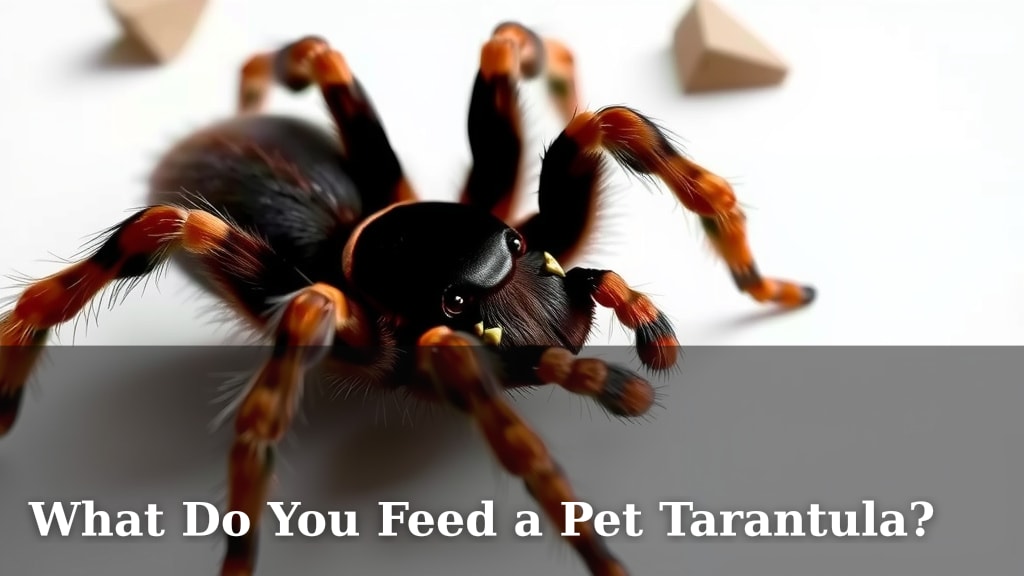
What Do You Feed a Pet Tarantula?
Feeding your pet tarantula is simpler than you might think! Most pet tarantulas primarily eat live insects like crickets, mealworms, and roaches. The size of the prey should be about as big as the tarantula’s body. Adult tarantulas don’t need to eat every day; once or twice a week is often plenty.
It’s important to offer appropriately sized prey to avoid stressing your pet. Ensuring their diet is varied can help provide necessary nutrients. Remember, a well-fed tarantula is usually a happy and healthy tarantula. We found that using gut-loaded insects makes a big difference.
- Offer live insects like crickets, mealworms, or roaches.
- Prey size should match the tarantula’s body size.
- Adults usually eat 1-2 times weekly.
- Gut-loaded prey provides better nutrition.
- Remove uneaten prey after a day.
Ready to get your spiderling on a delicious diet? Let’s walk through exactly what to feed your tarantula, how often, and what to avoid.
Feeding Your Pet Tarantula: The Essentials
Figuring out what your new eight-legged friend likes to munch on is pretty straightforward. Your tarantula’s diet mainly consists of live insects. Think crickets, mealworms, and various types of roaches. It’s all about providing a natural and nutritious meal for them.
When you’re selecting food, always consider the size. The prey item should be roughly the size of your tarantula’s body. If it’s too big, your tarantula might get stressed or injured. Too small, and it might not be worth their effort to catch it.
What Kinds of Insects Can You Offer?
You have a few good options when it comes to live prey. Crickets are a popular choice for many tarantula keepers. They are readily available at pet stores and are usually easy for your spider to catch.
Mealworms are another excellent staple food. They are small, easy to store, and your tarantula will likely find them appealing. Just be sure to offer them in a way that they can be easily caught by your spider.
Roaches, such as dubia roaches or red runner roaches, are also highly recommended. They are nutritious and often a favorite among tarantulas. Many keepers prefer roaches because they are less likely to bite the tarantula if not eaten immediately.
Gut-Loading for Better Nutrition
One of the best practices we’ve found is something called “gut-loading” the insects. This means feeding the insects nutritious food a day or two before you offer them to your tarantula. This passes those nutrients directly to your spider.
What can you use for gut-loading? Offer the feeder insects a variety of fresh fruits and vegetables like carrots, apples, or leafy greens. You can also use commercial gut-loading formulas. This ensures your tarantula gets a well-rounded meal, just like they would in the wild.
How Often Should You Feed Your Tarantula?
The feeding schedule depends a lot on your tarantula’s age. Spiderlings, which are young tarantulas, need to eat more frequently. You might offer them food every two to three days.
Adult tarantulas are quite different. They have a slower metabolism and don’t need to eat nearly as often. For adult tarantulas, feeding them once or twice a week is usually sufficient. Some older adults can even go for longer periods without food, especially before a molt.
Understanding Molting and Feeding
Tarantulas grow by shedding their exoskeleton, a process called molting. During this time, they are very vulnerable and will typically refuse food. It’s important to remove any uneaten prey when you notice your tarantula preparing to molt.
After a molt, your tarantula will be soft and fragile. Wait a few days after they have molted and their new exoskeleton has hardened before offering food again. Start with a smaller prey item to ensure they can handle it.
| Tarantula Age | Feeding Frequency | Prey Size |
|---|---|---|
| Spiderling (Baby) | Every 2-3 days | Pinhead crickets, small mealworms |
| Juvenile | 2-3 times per week | Small to medium crickets, roaches |
| Adult | 1-2 times per week | Medium to large crickets, roaches, large mealworms |
What NOT to Feed Your Tarantula
It’s not just about what to feed them, but also what to avoid. You should never feed your tarantula wild-caught insects. These can carry pesticides or parasites that could harm your pet.
Some insects are simply too large or too aggressive for a tarantula. Always err on the side of caution. It’s better to offer a slightly smaller prey item than one that could potentially injure your spider.
Avoid These Common Mistakes
One common mistake is leaving uneaten prey in the enclosure for too long. If your tarantula doesn’t eat the insect within 24 hours, it’s best to remove it. The feeder insect could potentially harm or stress your tarantula, especially if it’s molting.
Overfeeding is another pitfall. While it might seem like you’re being generous, overfeeding can lead to health issues for your tarantula. Stick to the recommended feeding schedules we discussed earlier.
Water: The Unsung Hero
While insects are their primary food source, don’t forget about water! Tarantulas need access to fresh, clean water. A small, shallow dish is usually perfect. Many keepers use a small plastic bottle cap for spiderlings.
Ensure the water dish is shallow enough so your tarantula doesn’t drown. You can also lightly mist the enclosure sides occasionally, especially for species that prefer higher humidity. Just be careful not to make the entire enclosure too wet, as this can lead to mold or bacterial issues.
Your Tarantula Feeding Checklist
To make sure you’re on the right track, here’s a quick checklist:
- Always offer live insects.
- Ensure prey size matches your tarantula’s body.
- Gut-load feeder insects for better nutrition.
- Adjust feeding frequency based on age and molting.
- Remove uneaten prey promptly.
- Provide a constant supply of fresh water.
Conclusion
Feeding your pet tarantula is all about understanding their natural needs. You’ve learned that live insects are the way to go, with size and nutrition being key factors. Remember to gut-load those feeder insects and adjust your feeding schedule based on your spider’s age and molting cycle. Keeping a fresh water source available is also essential for their well-being. Now that you’re equipped with this knowledge, take a moment to review your tarantula’s current setup and make sure their diet and habitat are optimized for a happy, healthy life. You’ve got this!
Frequently Asked Questions
Can I feed my tarantula frozen or pre-killed insects?
Generally, it’s best to stick with live insects. Tarantulas hunt their food, and the movement of live prey stimulates their natural hunting instincts. Pre-killed or frozen insects don’t provide the same dietary benefits or encourage the necessary behaviors.
What should I do if my tarantula refuses food?
It’s common for tarantulas to refuse food, especially if they are preparing to molt. Don’t panic if your tarantula skips a meal or two. Just remove the uneaten prey after 24 hours and try again in a few days.
How do I know if I’m overfeeding my tarantula?
Signs of overfeeding include a constantly full-looking abdomen and a reluctance to move. Adult tarantulas have slow metabolisms and can go for extended periods without food. Stick to the recommended feeding schedule of once or twice a week for adults.
Are there any insects I should absolutely avoid feeding my tarantula?
Yes, absolutely avoid feeding your tarantula any wild-caught insects, as they can carry pesticides or parasites. Also, avoid insects that are too large or known to be aggressive, as they could harm your spider.
How do I set up a water dish for a tiny spiderling?
For very small spiderlings, a simple plastic bottle cap makes a perfect water dish. Ensure it’s shallow enough that the spiderling can easily drink from it without the risk of drowning.