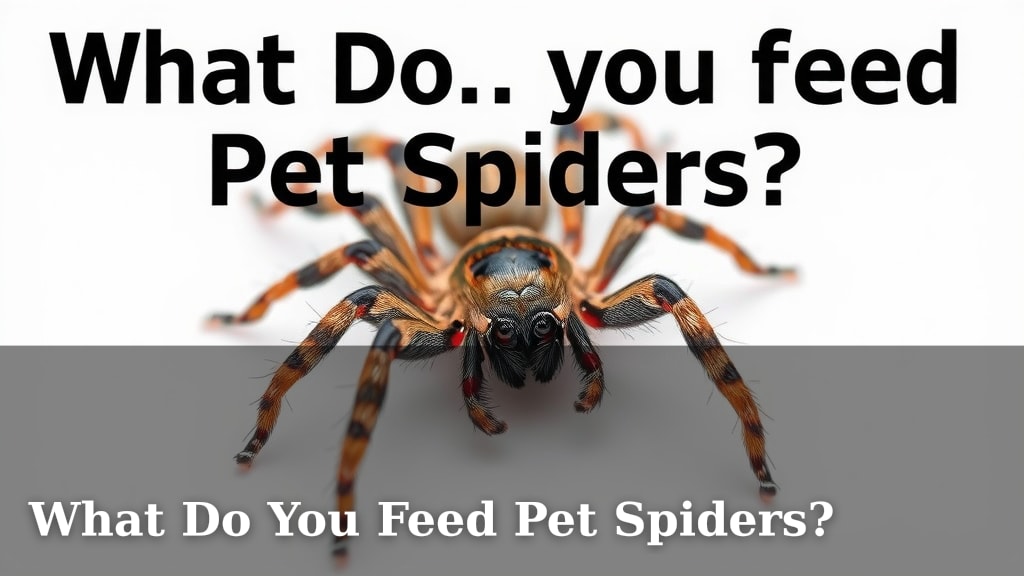
What Do You Feed Pet Spiders?
Feeding pet spiders is simpler than you might think! Most pet spiders thrive on a diet of live insects, like crickets, mealworms, and roaches. The size of the insect should match the size of your spider, and you’ll want to offer food about once or twice a week.
What you feed your spider depends heavily on its species and age. Some spiders prefer smaller prey, while others can handle larger meals. It’s important to ensure the prey is nutritious and appropriately sized to keep your eight-legged friend happy and healthy. Avoid feeding your spider anything dead, as they are typically attracted to movement.
- Spiders mainly eat live insects.
- Match insect size to your spider.
- Feed once or twice weekly.
- Species and age matter for diet.
- Avoid feeding dead prey.
Ready to learn more about keeping your pet spider well-fed? Let’s dive into the specifics of what makes a perfect spider meal.
Nourishing Your Eight-Legged Friend: A Spider’s Diet Guide
So, you’ve welcomed a fascinating spider into your home! That’s wonderful. Now, let’s talk about the most important part of caring for your new pet: their food. What do you actually feed pet spiders? It’s a question many new owners have. The good news is, it’s generally straightforward. Most pet spiders enjoy a diet of live insects. Think of it like giving your pet a tiny, wiggly treat!
The key is variety and appropriateness. You wouldn’t feed a kitten adult cat food, right? The same applies here. We need to consider the size, type, and even the age of your spider when choosing their meals. Getting this right keeps them healthy and happy. We’ll break down what insects make great spider food and how often you should be offering a meal.
Understanding Your Spider’s Dietary Needs
Every spider is an individual, and their dining preferences can vary. Different species have evolved to hunt different prey in the wild. Your job is to mimic that as closely as possible in a safe and controlled way. This means you’ll want to do a little research on your specific spider’s species.
Choosing the Right Prey Items
For many common pet spiders, a staple diet often includes insects readily available in pet stores. These are typically farmed and safe to feed. Some of the most popular choices include:
- Crickets: A classic choice, crickets are readily accepted by many spider species.
- Mealworms: These are the larval stage of the darkling beetle. They are nutritious and easy to store.
- Dubia Roaches: Known for being nutritious and having a soft exoskeleton, making them easy for spiders to consume.
- Black Soldier Fly Larvae (BSFL): Sometimes called “phoenix worms,” these are also quite nutritious.
- Fruit Flies: Tiny, flightless fruit flies are perfect for very small spiderlings or smaller adult species.
Matching Prey Size to Your Spider
This is perhaps the most critical rule in spider feeding. You must ensure the prey is not too large for your spider. If an insect is too big, your spider might not be able to subdue it. This can lead to stress for your pet, or even injury. As a general guideline, the prey item should be about the same size or slightly smaller than your spider’s body. Avoid the legs when measuring!
For example, a tiny jumping spider might only eat small crickets or fruit flies. A larger tarantula, however, might happily tackle a large roach or even a small mouse pinky (though this is less common and requires specific care). When in doubt, start small. You can always offer a larger insect later if your spider seems confident and capable.
How Often Should You Feed Your Pet Spider?
Spider feeding schedules aren’t like feeding a dog or cat. They are much less frequent. Young, growing spiders will eat more often than adults. Adult spiders, especially larger species, can go quite a while between meals. Many keepers find that feeding once or twice a week is a good starting point for most adult spiders.
Adjusting for Spiderlings and Adults
Spiderlings, or baby spiders, are growing rapidly. They need more frequent meals to fuel this growth. You might find yourself offering food every 2-4 days for very young spiderlings. As they grow and molt into larger instars (the stages between molts), you can gradually increase the size of the prey and slightly lengthen the time between feedings.
Adult spiders, on the other hand, have slower metabolisms. They can often survive for a week or even longer without eating. Overfeeding can actually be detrimental, leading to obesity or digestive issues. It’s better to err on the side of offering food a little less often than too much. Always remove any uneaten prey from the enclosure after 24 hours. Live prey can sometimes harm a molting or stressed spider.
Important Feeding Practices and Considerations
Beyond the type and frequency of food, there are a few other things you should know to keep your spider’s meals safe and effective.
The Importance of Live Prey
Spiders hunt by sensing movement and vibrations. They typically won’t eat prey that is dead or has been dead for a while. This is an instinct honed over millions of years. Therefore, offering live insects is almost always necessary. You’ll see your spider go into hunting mode, stalk its prey, and then strike!
If you are squeamish about live insects, some keepers have had success with pre-killed prey that is moved with forceps. However, this requires careful observation to ensure your spider shows interest. For most spiders, the thrill of the hunt is part of their feeding behavior and helps stimulate their appetite.
Gut-Loading Prey for Better Nutrition
The insects you feed your spider are only as nutritious as what they eat themselves. This is where the concept of “gut-loading” comes in. Gut-loading means feeding the feeder insects a nutritious diet for 24-48 hours before offering them to your spider. This ensures your spider is getting the best possible nutrition.
You can gut-load insects like crickets and roaches with a variety of healthy foods. Good options include commercial gut-loading diets, fresh vegetables like carrots, sweet potatoes, or leafy greens, and even a bit of calcium powder. Avoid feeding the feeder insects junk food like bread or sugary cereals. Many experts recommend adding a calcium supplement to the gut-loading diet, especially for species that are prone to calcium deficiencies (NCBI).
Water Sources for Your Spider
While we’re talking about food, don’t forget hydration! Your spider needs access to fresh water, but the method depends on the species. Many arboreal (tree-dwelling) spiders will drink water droplets from the enclosure walls. You can mist the enclosure lightly with a spray bottle every few days to provide these droplets. Terrestrial (ground-dwelling) spiders might prefer a shallow water dish.
If you use a water dish, make sure it’s very shallow to prevent drowning. You can place a small pebble or sponge in the dish to help smaller spiders climb out. Always ensure the water is clean and changed regularly. Some keepers find that a small, shallow dish works best for most species. Dehydration can be a serious issue for spiders.
What to Avoid Feeding Your Spider
There are a few things you should absolutely steer clear of when feeding your pet spider. First, as mentioned, never feed dead insects unless you are experienced and confident your spider will eat it. Second, avoid insects that have been caught outside. Wild insects can carry pesticides, parasites, or diseases that could harm your spider. Stick to commercially bred feeder insects.
Finally, avoid any “human food” scraps. Your spider has very specific dietary needs that only certain insects can fulfill. Trying to offer them something from your own plate is not only ineffective but potentially harmful. Always source your feeder insects from a reputable pet store or online supplier. This ensures they are disease-free and properly cared for before they reach your home.
A Quick Feeding Checklist
To make things even easier, here’s a handy checklist for your spider’s feeding routine:
- Research your spider’s species for specific dietary needs.
- Offer live insects that are appropriately sized (no larger than the spider’s body).
- Feed adult spiders once or twice a week; spiderlings more often.
- Gut-load feeder insects 24-48 hours before feeding.
- Provide a clean, accessible water source.
- Remove any uneaten prey within 24 hours.
Conclusion
Feeding your pet spider doesn’t have to be complicated. By offering live insects that are appropriately sized for your spider’s species and age, you’re well on your way to a happy, healthy pet. Remember to gut-load your feeder insects for maximum nutrition and always provide a fresh water source. Most adult spiders do great with meals once or twice a week, while spiderlings need more frequent feedings. Take the time to research your specific spider’s needs, and you’ll feel confident in your ability to provide the best diet. Now, you’re ready to watch your fascinating arachnid thrive!
Frequently Asked Questions
Can I feed my pet spider dead insects?
Generally, no. Most pet spiders rely on movement to detect prey and stimulate their hunting instincts. While some experienced keepers might get a spider to eat pre-killed prey with manipulation, it’s best to stick with live insects to ensure your spider eats reliably and safely. Dead prey can also spoil quickly in the enclosure.
How do I know what size insect to feed my spider?
The best rule of thumb is to match the prey size to your spider’s body. The insect should be about the same size as your spider’s abdomen, or slightly smaller, excluding the legs. If the prey is too large, your spider might not be able to subdue it, which can be stressful or even dangerous for your pet. It’s always better to start smaller if you’re unsure.
What human foods can I feed my spider?
You should never feed your pet spider any human food. Spiders have very specific dietary needs that are met by live insects. Human foods are not digestible for them and can even be harmful. Stick to commercially bred feeder insects like crickets, mealworms, and roaches sourced from reputable pet stores.
How can I make my feeder insects more nutritious?
You can “gut-load” your feeder insects 24-48 hours before feeding them to your spider. This involves feeding the feeder insects a nutritious diet themselves. Offer them fresh vegetables like carrots or sweet potatoes, commercial gut-loading diets, and consider adding a calcium supplement to their food. This ensures your spider receives a well-rounded nutritional boost.
What should I do if my spider doesn’t eat the insect I offer?
If your spider doesn’t eat the insect right away, don’t panic. Spiders can sometimes go through fasting periods, especially before a molt. You can try removing the uneaten insect and offering a smaller one in a day or two. Ensure the environment in your spider’s enclosure is suitable (temperature, humidity) and that they have access to fresh water. If fasting persists for an unusually long time and the spider shows other signs of distress, consult with an experienced spider keeper or veterinarian.