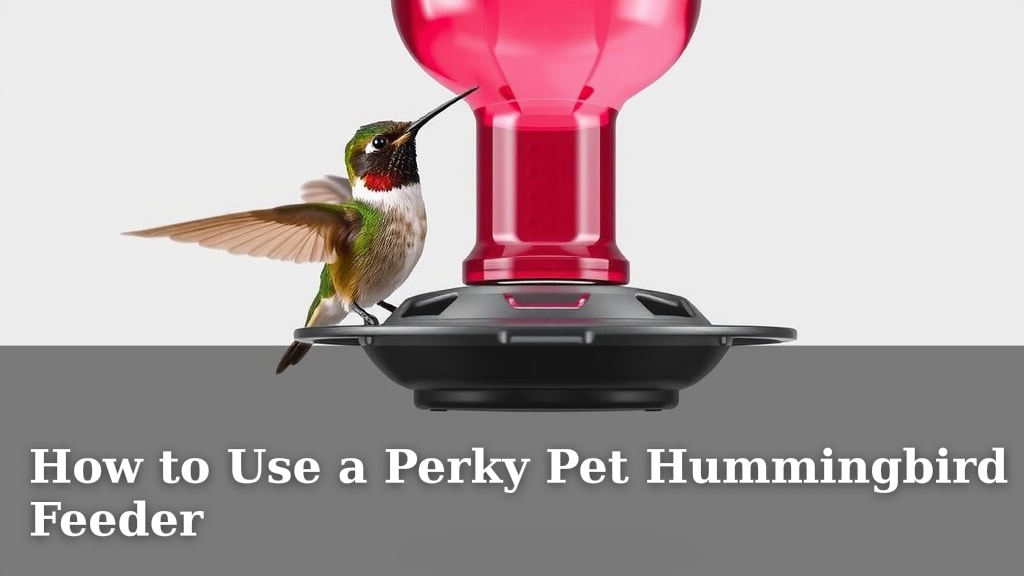
How to Use a Perky Pet Hummingbird Feeder
The easiest way to use your Perky Pet hummingbird feeder is to fill it with a simple sugar-water solution and hang it in a visible spot. You’ll want to use a 1:4 ratio of sugar to water, boiling the water first to help the sugar dissolve. Never add red dye, as it can be harmful to your tiny visitors. Making sure your feeder is clean and full is key to attracting hummingbirds.
These feeders are designed to make it simple for you to provide a safe and attractive food source for hummingbirds. We found that by understanding a few basic principles, you can greatly increase your chances of seeing these delightful birds. Knowing how to properly prepare the nectar and maintain the feeder will keep them coming back for more.
- Fill with a 1:4 sugar-to-water solution.
- Boil water to help sugar dissolve.
- Avoid red dye; it’s not good for birds.
- Hang in a visible, safe location.
- Keep it clean and consistently filled.
Ready to invite some dazzling hummers to your yard? Let’s walk through exactly how to set up and maintain your Perky Pet feeder step by step.
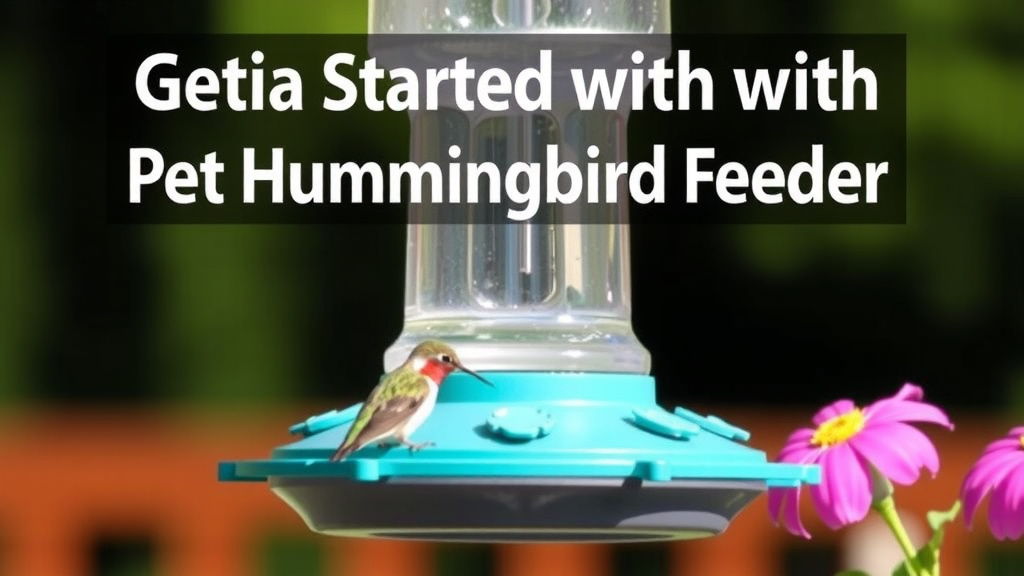
Getting Started with Your Perky Pet Hummingbird Feeder
You’re ready to attract those dazzling, tiny sprites to your backyard! Using your Perky Pet hummingbird feeder is wonderfully straightforward. It boils down to a few key steps: preparing the right nectar, assembling your feeder, and finding the perfect spot to hang it. We’ve found that paying attention to these details makes all the difference.
The Nectar: A Sweet Invitation for Hummingbirds
What makes a hummingbird feeder irresistible? It’s all about the nectar. Creating this sweet treat is simpler than you might think. Remember, these birds have a very specific diet, and the right mixture is key to their health and happiness.
The Perfect Sugar-Water Ratio
Most experts agree on a simple ratio for hummingbird nectar. You’ll want to use one part plain white granulated sugar to four parts water. This 1:4 ratio mimics the natural sugars found in flowers they love to feed on. It’s important to use plain white sugar. Avoid brown sugar, powdered sugar, or artificial sweeteners, as these can be harmful to hummingbirds.
Why Boiling Matters
Boiling the water first is a helpful step. It ensures that the sugar dissolves completely. This creates a clear, smooth nectar that won’t clog your feeder. Let the mixture cool down completely before you fill the feeder. You can make a larger batch and store it in the refrigerator for up to a week. This saves you time when it’s time to refill.
What NOT to Add to Your Nectar
This is a really important point: never add red dye to your hummingbird nectar. While the bright red color of some feeders might make you think red dye is a good idea, it’s actually quite harmful to these birds. Research has shown that red dye can cause kidney and liver damage. Stick to the natural color of the sugar-water mixture. Your feeder’s design will likely have red accents to attract the birds.
Assembling Your Perky Pet Feeder
Perky Pet feeders are designed for ease of use. Most models come with a few simple parts: the nectar reservoir (the bottle), the base where the hummingbirds feed, and sometimes a cap or a hanger. If your feeder came in pieces, carefully follow the included instructions to put it together. It usually involves screwing the base onto the reservoir.
Filling the Feeder: A Step-by-Step Guide
Once your feeder is assembled and your nectar is cooled, it’s time to fill it. You’ll typically do this by inverting the reservoir and unscrewing the base. Pour the cooled nectar into the reservoir, leaving a little space at the top. Then, carefully screw the base back onto the reservoir. Finally, flip the feeder right-side up. You might see a few drips as air equalizes. This is normal!
Where to Hang Your Hummingbird Feeder
Location, location, location! Choosing the right spot for your feeder is crucial for attracting hummingbirds. You want a place where they’ll feel safe and be easily visible to you. Consider these factors when deciding where to hang your feeder.
Visibility is Key
Hang your feeder somewhere you can easily see it. This is how you’ll enjoy watching these amazing creatures. It also helps you keep an eye on the nectar level and know when it’s time to clean and refill. A spot near a window or on your patio is usually ideal.
Safety First for Your Feathered Friends
Hummingbirds can be vulnerable to predators. It’s a good idea to hang your feeder away from areas where cats or other predators might hide. Ideally, place it near some natural cover, like shrubs or trees. This allows them a safe place to perch and rest after feeding. It also gives them a quick escape route if they feel threatened. Many bird enthusiasts recommend hanging feeders at least 5 feet off the ground for added safety.
Consider the Sun and Wind
Direct, intense sunlight can cause the nectar to spoil more quickly. While hummingbirds like warmth, keeping the feeder in a spot that gets some shade during the hottest part of the day can be beneficial. Strong winds can also make feeding difficult. A spot that offers a little shelter from the wind is a good choice.
Maintaining Your Feeder for Happy Hummers
A clean feeder is a happy feeder! Regular cleaning is probably the most important part of hummingbird feeder care. It prevents mold and bacteria growth, which can be very harmful to hummingbirds. You’ll want to clean your feeder about twice a week, more often in very hot weather.
The Cleaning Routine Checklist
Here’s a simple checklist to keep your feeder in top shape:
- Empty any remaining nectar.
- Disassemble the feeder (check your model’s instructions).
- Rinse all parts with hot water.
- Use a small brush (often provided or available separately) to scrub inside all parts, especially feeding ports and any small crevices.
- Rinse thoroughly again.
- Allow parts to air dry completely before reassembling.
When to Clean More Often
Temperatures play a big role in how quickly nectar spoils. On days when the temperature reaches 80 degrees Fahrenheit or higher, you should clean your feeder every other day, or even daily. Nectar left out in the heat can ferment and grow bacteria very quickly. It’s better to be safe than sorry when it comes to the health of these delicate birds.
| Temperature | Cleaning Frequency |
|---|---|
| Below 70°F (21°C) | Once or twice a week |
| 70-80°F (21-27°C) | Every 2-3 days |
| Above 80°F (27°C) | Daily or every other day |
This table is a general guideline. Always check the nectar visually for cloudiness or signs of mold.
Signs Your Nectar Has Gone Bad
Trust your senses! If the nectar looks cloudy, murky, or has any visible mold, it’s time to clean and refill immediately. Even if it looks clear, if it’s been out for too long in warm weather, it’s best to discard it and make a fresh batch. Hummingbirds are smart; they won’t visit a feeder that doesn’t smell or look right.
By following these simple steps, you’re well on your way to becoming a successful hummingbird host. Your Perky Pet feeder is just the tool you need to invite these delightful visitors into your world. Happy birding!
Conclusion
You’re now equipped to be a fantastic host for your neighborhood hummingbirds with your Perky Pet feeder. Remember, the secret to success lies in a simple 1:4 sugar-to-water nectar, always avoiding harmful red dye. Regular cleaning, especially in warm weather, is non-negotiable for their health. Watching these tiny jewels visit your feeder is a joy, and with these practices, you’ll keep them returning. Your next step? Mix up a fresh batch of nectar and hang your feeder in that perfect, safe spot you’ve chosen!
Frequently Asked Questions
How often should I clean my Perky Pet hummingbird feeder?
You should aim to clean your feeder at least twice a week. In very hot weather, above 80°F, you’ll need to clean it daily or every other day to prevent the nectar from spoiling.
Can I use a different type of sugar in my hummingbird feeder?
No, always use plain white granulated sugar. Brown sugar, powdered sugar, or artificial sweeteners can be harmful to hummingbirds and should never be used in your nectar mixture.
My feeder is dripping a lot, is this normal?
A few drips when you first flip the feeder upright are normal as the air equalizes. If it’s dripping continuously, check that the base is screwed on tightly and that there are no cracks in the reservoir or base.
How do I attract hummingbirds if they aren’t coming to my feeder?
Ensure your feeder is clean, filled with fresh nectar, and in a visible location. Consider hanging it near flowering plants that hummingbirds naturally love, which can also help draw them in.
Can I store leftover nectar for later use?
Yes, you can store prepared nectar in a clean, airtight container in your refrigerator for up to one week. Always discard any nectar that looks cloudy or has been in the fridge for longer than seven days.