How to Use a Perky Pet Bird Feeder: Easy Steps
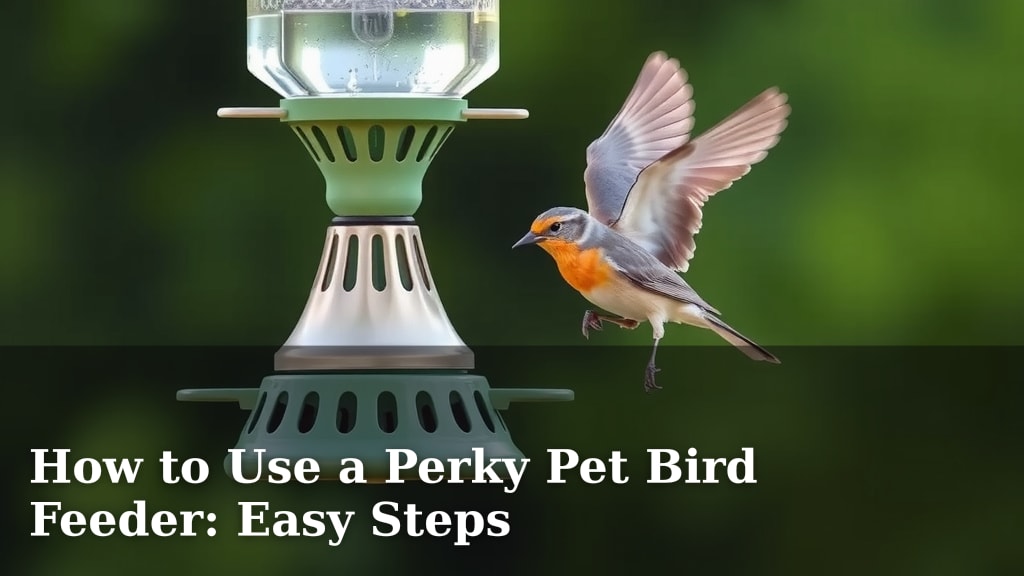
Using your Perky Pet bird feeder is straightforward, and you’ll be enjoying feathered visitors in no time! Simply fill the feeder with birdseed, hang it securely, and watch the birds flock. It’s an easy way to add some nature to your backyard. Filling and hanging are the key steps.
These feeders are designed for ease of use for both you and the birds. Many models feature simple designs for quick refilling. You can attract a variety of local birds with the right seed. Providing food is a wonderful way to support your neighborhood wildlife, especially during colder months. People often find it a rewarding experience.
- Fill the feeder with your bird’s favorite seeds.
- Choose a safe spot to hang it, away from predators.
- Ensure it’s stable and easily accessible to birds.
- Keep an eye on the seed level and refill as needed.
- Clean it periodically to maintain hygiene.
Ready to get your Perky Pet feeder set up? Let’s walk through exactly how to do it, step by step, so you can start birdwatching soon!
Setting Up Your Perky Pet Bird Feeder: A Simple Guide
Getting your Perky Pet bird feeder ready for its first feathered guests is easier than you might think. We’ll walk you through each step. You’ll soon be enjoying the sight and sound of birds right in your own backyard. It’s a simple joy that many people find very rewarding.
Choosing the Right Spot: Location, Location, Location!
Where you hang your feeder can make a big difference. Think about what the birds need and what you want to see. We want to make it safe for them and enjoyable for you.
Safety First: Protecting Your Feathered Friends
Birds are part of the food chain. So, it’s important to place your feeder in a spot that offers them some protection. Cats, squirrels, and other predators can be a threat. Hanging the feeder away from easy jumping-off points is key. Many experts suggest placing feeders at least 10 feet from dense bushes or trees where predators might hide. This gives birds a clear flight path and a chance to escape (National Audubon Society).
Squirrel-Proofing Your Feeder
Squirrels are notorious feeder raiders. They can empty a feeder quickly. Some Perky Pet models come with built-in squirrel baffles. If yours doesn’t, you might consider adding one. These are typically cones or domes placed above or below the feeder. They make it difficult for squirrels to reach the seed.
Visibility and Enjoyment: Where to Hang for Best Viewing
You want to enjoy watching the birds, right? Choose a location where you can easily see the feeder from a window or patio. Consider the sun’s path too. You don’t want it to be constantly in harsh, direct sun, which can overheat the seed. A spot with some dappled shade is often ideal.
Distance from Windows
Birds can sometimes fly into windows, especially at high speeds. Research suggests placing feeders either very close to a window (within 3 feet) or further away (more than 30 feet). This reduces the chance of impact (American Bird Conservancy). This is a small step that can save lives.
Filling Your Perky Pet Feeder: Seed Selection and Technique
What you put in your feeder is just as important as where you hang it. The right seed will attract a wider variety of birds and keep them coming back.
Popular Birdseed Choices
Different birds have different tastes. However, some seeds are universally loved. Black oil sunflower seeds are a top choice. They are high in fat and protein, which birds need year-round (Cornell Lab of Ornithology). Safflower seeds are another good option. Many squirrels don’t like them, which can help keep them away from your feeder.
What to Avoid
You might want to avoid “fillers” like milo or cracked corn in a mixed seed bag. Many common backyard birds don’t eat these. They just get kicked out of the feeder, creating a mess. Look for mixes that are primarily sunflower seeds, safflower, or specialized blends.
How to Fill Your Feeder Properly
Most Perky Pet feeders are designed for simple filling. Always make sure the feeder is clean before adding new seed. For tube feeders, simply unlatch or unscrew the top. Pour in your chosen seed, making sure not to overfill. For hopper feeders, the process is similar. You lift the lid and pour the seed into the hopper. Gently close the lid to keep moisture out.
Keeping Seed Fresh
Once filled, the seed can become stale or wet. Try not to fill the feeder completely if you don’t have a lot of bird activity yet. It’s better to refill a partially empty feeder than to have a large amount of old, spoiled seed. This helps prevent mold and bacteria.
Hanging Your Feeder: Stability and Accessibility
Now that your feeder is full, it’s time to hang it. This step is about making sure it’s secure and easy for birds to use.
Using the Included Hanging Mechanism
Perky Pet feeders usually come with a hook or a wire loop. Find a sturdy branch or a dedicated shepherd’s hook. Ensure the hook is strong enough to support the weight of the feeder, especially when it’s full of seed and birds. You don’t want it to fall.
Achieving a Stable Hang
A feeder that sways too much can deter birds. Try to find a spot where the branch is relatively still. If using a shepherd’s hook, make sure it’s pushed firmly into the ground. A wobbly feeder can spill seed and make birds feel unsafe.
Making It Easy for Birds
Birds need a place to perch while they eat. Make sure the perches on your feeder are clean and accessible. Also, ensure there’s enough space around the feeder for birds to land and take off easily. They appreciate a clear approach!
Maintenance and Cleaning: Keeping Birds Healthy
A clean feeder is a healthy feeder. Regular cleaning is essential for your birds’ well-being.
Why Cleaning is Important
Birdseed can get wet and develop mold or bacteria. Old seed can also attract insects. These things can make birds sick. Keeping your feeder clean helps prevent disease transmission among your backyard visitors. Many guidelines suggest cleaning feeders every two weeks (CDC). This is especially important in warmer weather.
How to Clean Your Feeder
First, empty all old seed. Disassemble the feeder as much as possible. Wash all parts with warm, soapy water. A brush can help get into crevices. Rinse thoroughly. For a deeper clean, you can use a mild bleach solution (1 part bleach to 9 parts water). Rinse extremely well if you use bleach, and let all parts air dry completely before refilling. This prevents any lingering chemicals.
Quick Checklist for Your Perky Pet Feeder
- Choose a safe, visible location.
- Add squirrel baffles if needed.
- Fill with high-quality birdseed.
- Hang securely on a sturdy support.
- Clean your feeder every two weeks.
- Observe your new visitors!
Conclusion
You’ve now learned the simple steps to set up and enjoy your Perky Pet bird feeder. By choosing the right spot for safety and visibility, filling it with appealing seeds, and hanging it securely, you’re ready to welcome feathered friends. Remember that regular cleaning is key to keeping your visitors healthy and returning. Take these simple steps, and you’ll soon experience the rewarding joy of backyard birdwatching. Your next step is to pick out a good quality birdseed and find that perfect spot for your feeder!
Frequently Asked Questions
What kind of birdseed is best for a Perky Pet feeder?
Black oil sunflower seeds are a favorite for many backyard birds and offer good nutrition. Safflower seeds are also a great choice, and many squirrels tend to avoid them. Look for mixes that prioritize these seeds over fillers like milo.
How often should I clean my Perky Pet bird feeder?
It’s best to clean your feeder about every two weeks to prevent mold and bacteria from growing. This is especially important during warmer months when seed can spoil faster. A clean feeder helps keep your bird visitors healthy.
Can I hang my Perky Pet feeder from a tree branch?
Yes, a sturdy tree branch can be a great spot, as long as it’s safe from predators like cats. Make sure the branch is strong enough to hold the feeder when it’s full and that the feeder hangs stably without too much swaying.
My Perky Pet feeder seems to attract a lot of squirrels. What can I do?
Squirrels can be persistent! If your model doesn’t have a built-in baffle, consider adding one. These are typically cones or domes that make it harder for squirrels to reach the seed. You can also try using safflower seeds, which many squirrels dislike.
What if I don’t see many birds visiting my feeder?
It can sometimes take birds a little while to discover a new food source. Ensure your feeder is in a visible and accessible location, and that you’re using a seed type that’s attractive to local birds. Patience is key; they’ll likely find it soon!