
How Often Should You Feed Your Pet Turtle?
Feeding your pet turtle the right amount is essential for their health and longevity. Generally, adult turtles need to be fed every other day, while younger, growing turtles require feeding daily. It’s all about balancing nutrition with their specific life stage and species.
Knowing how often to feed your turtle depends on a few key factors. This includes their species, age, and activity level. We’ve researched common turtle care guidelines to help you get this right. Getting feeding frequency wrong can lead to health problems down the line.
TL;DR:
- Adult turtles eat every other day.
- Baby and young turtles eat daily.
- Species and activity level matter.
- Don’t overfeed your turtle.
- Observe your turtle’s behavior.
Let’s break down exactly how often you should be feeding your shelled friend, along with other important feeding tips.
Understanding Your Turtle’s Feeding Schedule
Figuring out how often to feed your turtle is key to their well-being. It’s not a one-size-fits-all situation. We’ve looked into what experts recommend for different turtle types and ages. Getting this right helps prevent obesity or malnutrition in your shelled companion. It’s all about matching their diet to their natural needs.
Age: The Biggest Factor
Your turtle’s age plays the most important role in determining feeding frequency. Younger turtles are growing rapidly. They need more frequent meals to support this development. Adult turtles, on the other hand, have slower metabolisms. Their energy needs are much lower.
Baby and Juvenile Turtles: Daily Meals
Baby turtles and juveniles are like growing kids. They are constantly building bone and muscle. This requires a steady supply of nutrients. Many turtle experts and veterinarians recommend feeding young turtles once a day. This ensures they get all the vitamins and minerals they need for healthy growth. Think of it as fuel for their rapid development phase.
Adult Turtles: Less Often is More
Once your turtle reaches maturity, their feeding schedule can slow down. Most adult turtles do very well with feeding every other day. This means feeding them on Monday, then skipping Tuesday, and feeding again on Wednesday. This frequency helps prevent overfeeding, which can lead to health issues like obesity and shell problems. It mimics their natural foraging patterns more closely.
Species-Specific Dietary Needs
Beyond age, the species of your turtle is a major consideration. Different species have evolved to eat different things in the wild. This directly impacts how often they should be fed and what they should eat. For example, aquatic turtles often have different needs than terrestrial tortoises.
Herbivorous Turtles (Tortoises)
Turtles that are primarily herbivores, like most tortoises, often benefit from daily access to fresh greens. While you might not be “feeding” them a specific meal every day, they should have their suitable leafy vegetables available. This allows them to graze as they wish. However, you still need to monitor their overall intake. Too much of even a good thing can be an issue.
Carnivorous and Omnivorous Turtles
Most common pet turtles are omnivores, meaning they eat both plants and animals. Carnivorous species require a protein-rich diet. For these types, feeding frequency often aligns with the general guidelines: daily for juveniles, every other day for adults. You’ll want to ensure their diet includes a good balance of appropriate protein sources and vegetables.
Understanding Aquatic vs. Terrestrial Needs
Aquatic turtles, which spend most of their time in water, tend to have higher metabolisms. They are often more active foragers. Their feeding schedules might lean towards the more frequent side of the recommendations. Terrestrial turtles, or tortoises, are generally less active. They might thrive on a slightly less frequent feeding schedule, focusing more on constant access to suitable plants.
Factors That Influence Feeding Frequency
While age and species are primary drivers, other factors can influence how often you should offer food. These include your turtle’s activity level and the environment they live in. A very active turtle might seem to need more food than a sedentary one.
Activity Level: The Energizer Bunny Turtle
Is your turtle constantly swimming, exploring, or basking? An active turtle burns more calories. They might benefit from slightly more frequent feeding, perhaps a bit more than the ‘every other day’ rule for adults. However, always observe your turtle. Look for signs of weight gain or loss. This is your best indicator.
Environmental Conditions
Water temperature for aquatic turtles is a big one. If the water is too cold, their metabolism slows down significantly. They won’t digest food properly. In such cases, you should feed them less often. Conversely, if temperatures are consistently optimal, they will be more active and may need to eat more regularly. Always maintain stable, species-appropriate temperatures.
Signs of Proper (and Improper) Feeding
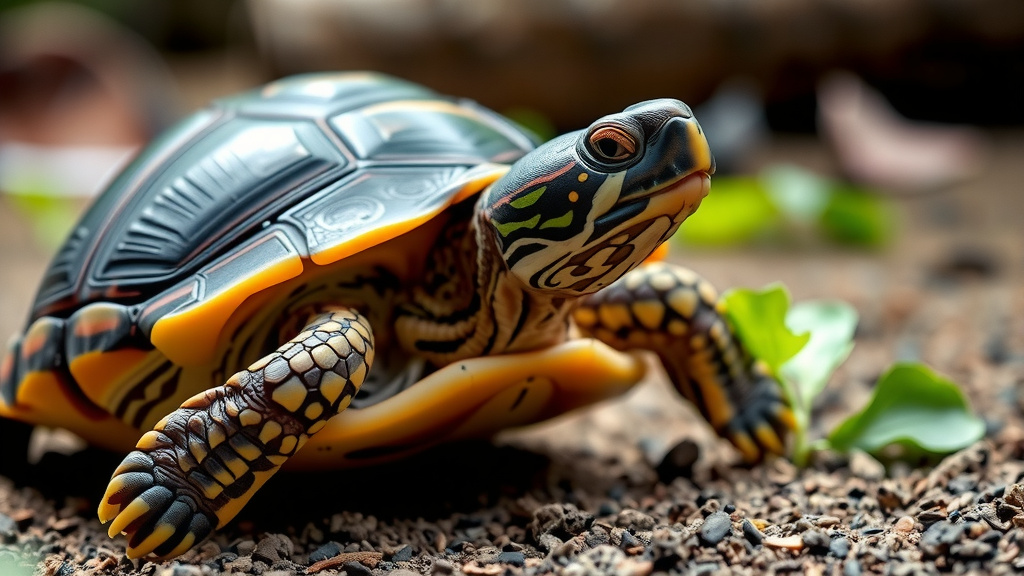
Observing your turtle is your most powerful tool. How your turtle looks and behaves tells you a lot. Are they alert and active? Is their shell smooth and free of deformities? These are good signs.
What to Watch For: The Healthy Turtle
A well-fed turtle will have bright eyes and be active during their usual waking hours. You should see a healthy sheen to their shell. They will eat with enthusiasm when offered food. If you notice these things, you’re likely on the right track. Your feeding schedule is probably working well for them.
Red Flags: When to Adjust Your Schedule
Look out for a turtle that seems lethargic or uninterested in food. If they are losing weight or becoming too thin, they may need more frequent meals or a better diet. Conversely, if your turtle is gaining weight rapidly and becoming obese, you are likely overfeeding. This can lead to serious health problems. Also, watch for pyramiding of the shell, a sign of metabolic bone disease often linked to improper diet or lighting. If you see any of these issues, consult your veterinarian.
A Quick Feeding Checklist
Here’s a simple checklist to help you remember the basics:
- Baby/Juvenile Turtles: Feed daily.
- Adult Turtles: Feed every other day.
- Species Matters: Research your specific turtle’s needs.
- Observe Closely: Monitor weight, activity, and shell health.
- Adjust as Needed: Don’t be afraid to tweak the schedule.
- Consult Experts: Talk to a reptile vet if unsure.
Conclusion
You’ve learned a lot about feeding your turtle! Remember, consistency is key for your shelled friend’s health. We found that young turtles need daily meals for growth, while adults do best every other day. Always consider your turtle’s specific species, activity level, and environment when setting a schedule. By observing your turtle closely for signs of good health or potential issues, you can fine-tune their diet. Take the time to research your unique turtle’s needs, and don’t hesitate to consult a reptile vet if you have questions. Start implementing these tips today for a happier, healthier turtle!
Frequently Asked Questions
How can I tell if I’m overfeeding my turtle?
You’ll know if you’re overfeeding if your turtle is gaining weight rapidly and becoming obese. Lethargy, lack of interest in food, or shell pyramiding can also be red flags. Your turtle should have a healthy sheen to their shell and be active during their waking hours.
What should I do if my turtle isn’t eating?
If your turtle seems uninterested in food or is losing weight, it’s time to investigate. Check their environmental conditions, especially water temperature for aquatic species. Ensure their diet is appropriate and appealing. If the problem persists, contact a reptile veterinarian.
Can I feed my turtle the same food every day?
While a staple diet is important, variety is also beneficial for your turtle’s nutrition. For omnivorous and carnivorous turtles, this means offering a mix of appropriate proteins and vegetables. Herbivorous turtles should have constant access to suitable greens, but rotating types of greens can be good too.
How does water temperature affect my turtle’s feeding schedule?
Water temperature significantly impacts digestion. If the water is too cold for an aquatic turtle, their metabolism slows down, and they won’t digest food well. In cooler conditions, you should feed them less often. Maintaining optimal, species-specific temperatures is vital for a healthy appetite and digestion.
Is it okay to give my turtle treats?
Occasional treats can be a way to bond with your turtle, but they should be given sparingly. Avoid high-fat or sugary human foods. Research what treats are safe and appropriate for your specific turtle species. Treats should never replace their balanced, regular diet.