What Do I Feed My Pet Turtle?
Feeding your pet turtle means giving them a balanced diet for a long and healthy life. Most common pet turtles, like sliders, need a mix of commercial turtle pellets, leafy greens, and some protein. This variety ensures they get all the necessary vitamins and minerals for proper shell growth and overall well-being. It’s about more than just filling their bellies; it’s about giving them the right fuel.
When you’re figuring out what to feed your turtle, remember that different species have different needs. Aquatic turtles generally eat more protein-rich foods, especially when young. Land turtles, like tortoises, are primarily herbivores and need a diet rich in fiber and calcium. Researching your specific turtle’s species is the first, most important step to getting their diet right and preventing health issues down the line. We found that a varied diet is key.
- Turtle diet depends on their species.
- Aquatic turtles need more protein.
- Land turtles are mostly herbivores.
- Commercial pellets are a good base.
- Leafy greens and veggies are important too.
So, what exactly should you put in your turtle’s food bowl? Let’s break down the best foods for your shelled friend.
Feeding Your Pet Turtle: What They Actually Eat
Choosing the right food for your pet turtle is super important. What you feed them directly impacts their health and lifespan. Think of it like this: you wouldn’t fuel a sports car with junk food, right? Your turtle deserves the best fuel, too!
Understanding Your Turtle’s Dietary Needs
The first thing you must understand is that not all turtles eat the same thing. Their diets can vary a lot based on their species. Some are meat-eaters, some are plant-eaters, and many are a mix of both. Getting this wrong can lead to serious health problems down the road.
Aquatic Turtles: More Than Just Pellets
For many popular pet turtles, like the Red-Eared Slider, they spend most of their lives in the water. These aquatic turtles often have different needs as they grow. When they are babies and juveniles, they need a lot more protein. This helps them grow strong shells and bodies.
The Role of Commercial Turtle Pellets
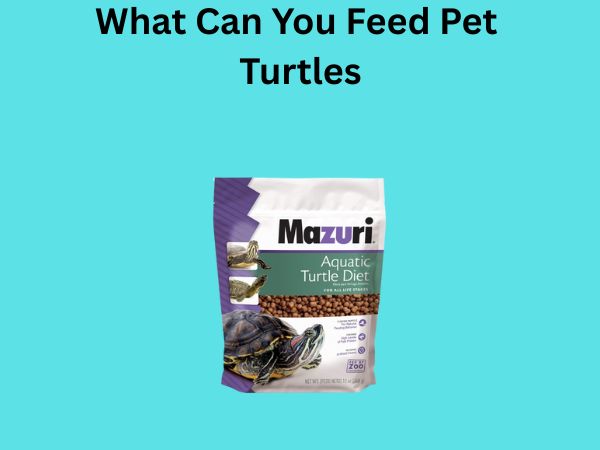
Many experts recommend using high-quality commercial turtle pellets as a base for their diet. These pellets are designed to offer a balanced mix of nutrients. Look for pellets specifically made for your turtle’s species or age group. We found that brands that use whole ingredients and avoid artificial colors are often a good choice.
Adding Variety: Protein Sources
While pellets are great, they shouldn’t be the only thing in their food bowl. Aquatic turtles also need animal protein. This can include things like:
- Live or frozen feeder insects (mealworms, crickets, earthworms)
- Small, cooked, unseasoned lean meats (chicken, turkey, fish)
- Shrimp or small fish
Leafy Greens and Veggies for Aquatic Turtles
Don’t forget the greens! Leafy greens and certain vegetables should make up a good portion of an adult aquatic turtle’s diet. They provide essential vitamins and fiber. Good choices include:
- Romaine lettuce
- Red leaf lettuce
- Dandelion greens (make sure they haven’t been sprayed with pesticides)
- Squash (like acorn or butternut)
- Carrots (shredded)
Terrestrial Turtles (Tortoises): The Herbivore’s Way
If you have a tortoise, their diet is quite different. Tortoises are primarily herbivores. This means they eat plants. Their diet needs to be rich in fiber and calcium, with a lower protein content. Think of them as tiny, shelled cows!
The Foundation: Hay and Leafy Greens
For most tortoises, grass hay is the most important part of their diet. It provides essential fiber for digestion. Timothy hay, orchard grass, and oat hay are excellent choices. These should be available to your tortoise at all times.
Leafy greens are also a staple. Many experts recommend a variety of dark, leafy greens. Good options include:
- Dandelion greens
- Collard greens
- Mustard greens
- Turnip greens
- Endive
Supplements for Tortoises
Because their diets can be high in fiber and lower in some vitamins, supplementation is often necessary for tortoises. A good calcium supplement is crucial. Many sources recommend dusting their food with a calcium powder several times a week. Some formulations also include vitamin D3, which helps their bodies absorb calcium (The Turtle Society).
A reptile-specific multivitamin can also be beneficial. It’s important to follow the dosage recommendations carefully. Too much of a good thing can be harmful.
Foods to Absolutely Avoid
There are certain foods that are downright bad for your turtle. You want to keep these far away from their food dish. These include:
- Processed human foods (bread, cheese, sugary snacks)
- Raw meat or bones (can carry bacteria)
- Anything with added salt, sugar, or spices
- Citrus fruits (too acidic)
- Avocado (toxic to many animals)
Putting It All Together: A Feeding Checklist
Feeding your turtle doesn’t have to be complicated. Here’s a quick checklist to help you provide a balanced diet:
- Know your species: Research its specific dietary needs.
- Offer variety: Don’t feed just one thing. Mix it up!
- Use quality pellets: They are a good nutritional base.
- Supplement wisely: Especially for tortoises, ensure enough calcium.
- Provide fresh water: Always ensure they have access to clean water for drinking and bathing.
- Avoid dangerous foods: Steer clear of anything processed or toxic.
How Much and How Often?
The amount you feed your turtle depends on its age and species. Young turtles need to eat more often, usually daily. Adult turtles can often be fed every other day. A good rule of thumb for aquatic turtles is to feed them only what they can consume in about 5-10 minutes. The amount you feed your turtle depends on its age and species, and our guide explains how often to feed.
For tortoises, offering a large portion of hay and a good amount of greens daily is usually sufficient. They tend to graze throughout the day. We found that observing your turtle’s body condition is the best way to tell if you’re feeding them the right amount. If they look too thin or too plump, adjust their portions accordingly.
Conclusion
You’ve learned that feeding your pet turtle is a rewarding journey. Understanding your turtle’s species is the absolute first step to a healthy diet. Remember to provide a good base of commercial pellets, supplemented with appropriate protein for aquatic species and plenty of greens and fiber for tortoises. Always avoid human processed foods and anything toxic. By offering a varied, species-specific diet and observing your turtle’s needs, you are giving them the best chance for a long, happy life. Your next step is to review your current turtle food and make any necessary adjustments based on this guide.
Frequently Asked Questions
How often should I feed my baby turtle?
Baby turtles are growing rapidly and need more frequent meals. You should offer food daily to young turtles. Aim to feed them only what they can consume within about 5 to 10 minutes to avoid overfeeding.
Can I feed my turtle leftovers from my own meals?
It’s best to avoid feeding your turtle human leftovers. Processed foods, cooked meats with seasonings, and even many fruits can be harmful to your turtle’s digestive system. Stick to foods specifically recommended for their species.
What kind of water should I give my turtle?
Always provide fresh, clean, and dechlorinated water for your turtle. For aquatic turtles, this water is also their bath. For tortoises, clean water should be available for drinking at all times. Avoid using tap water directly, as the chlorine can be harmful.
My turtle isn’t eating its greens, what can I do?
Try offering a variety of different leafy greens and vegetables to see what your turtle prefers. You can also try dicing them finely or mixing them with a small amount of a favored protein source. Persistence is key; sometimes it takes them time to accept new foods.
How do I know if I’m feeding my turtle too much or too little?
Observe your turtle’s body condition. If they are becoming noticeably overweight or underweight, it’s a sign to adjust their food portions. A healthy turtle will have a good body mass without being overly plump or skinny. If you are unsure, consult with a reptile veterinarian.