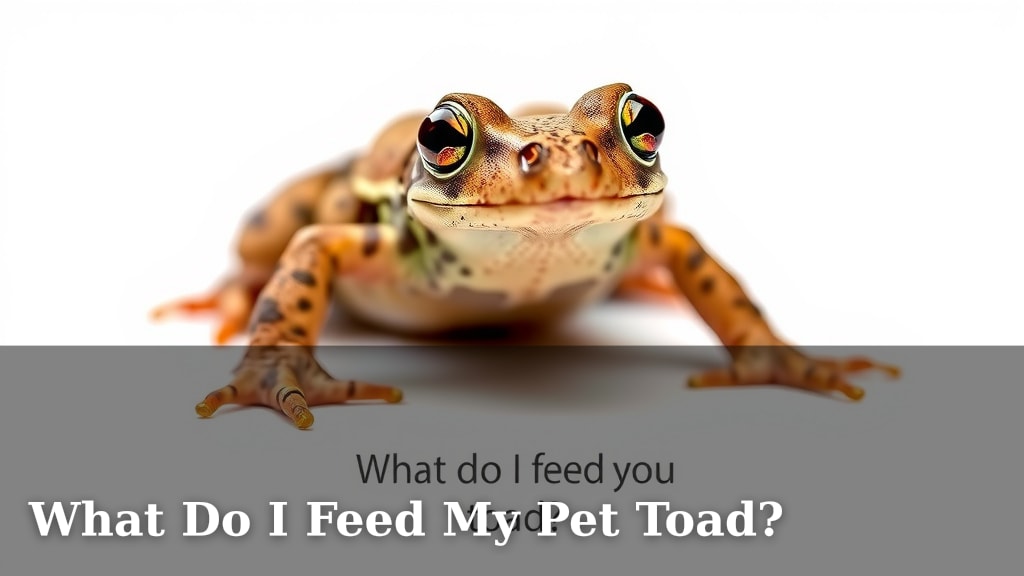
What Do I Feed My Pet Toad?
Feeding your pet toad is simpler than you might think! Most pet toads thrive on a diet of live insects, like crickets, mealworms, and earthworms. You’ll want to offer a variety to ensure they get all the nutrients they need. Remember, toads have specific dietary needs, so choosing the right food is key to their health.
We understand it can be a little confusing at first. Many pet owners wonder about the best food choices for their amphibian friends. Offering a varied diet of gut-loaded insects is generally recommended by herpetological experts. This means feeding the insects nutritious food before offering them to your toad. It ensures your toad gets those essential vitamins and minerals too.
- Offer live insects like crickets and worms.
- Vary the insect types for a balanced diet.
- Gut-load insects before feeding them to your toad.
- Avoid feeding toads wild-caught insects.
- Supplement with calcium and vitamin dust regularly.
Ready to learn more about what to feed your little hopper? Let’s dive into the specifics of what makes a healthy and happy toad diet.
So, you’ve got a little amphibian pal and you’re wondering what to put in their food dish. It’s a common question, and rightly so! Your toad’s diet is probably the **most important factor** in their overall health and happiness. Let’s make sure you’re feeding them like a pro.
What Your Pet Toad Needs to Eat
The most fundamental rule for feeding your pet toad is to offer a **varied diet of live insects**. Think of it like a buffet for your little friend! This variety ensures they get all the necessary vitamins, minerals, and proteins. A single type of food just won’t cut it for long-term health.
The Staple Foods: Insects, Insects, and More Insects!
Most commonly available pet toads are insectivores. This means their natural diet consists almost entirely of bugs. You’ll find that insects are the **easiest and most appropriate food** to offer. It’s important that these insects are alive when you offer them. A live insect moving around is what triggers your toad’s natural hunting instinct.
Popular Insect Choices
Several types of insects are readily available at pet stores and online. Crickets are a top choice for many toad owners. They are nutritious and readily accepted. Mealworms are another popular option, though they are a bit fattier. Earthworms, especially nightcrawlers, are also a great choice. They are packed with nutrients and are a natural food source for many toad species. You might also consider waxworms or superworms as occasional treats. Research your specific toad species to see what they prefer.
Gut-Loading Your Insects
This is a super important step that many new owners overlook. Gut-loading means feeding the insects a nutritious diet a day or two before you feed them to your toad. The idea is that whatever the insect eats, your toad will get those **nutrients too**. You can gut-load insects with commercial gut-load formulas, or even with fresh vegetables like carrots, sweet potatoes, or dark leafy greens. Avoid feeding insects citrus fruits, as they can be harmful.
The Dangers of Wild-Caught Insects
It might seem like a convenient or natural idea to just go outside and catch some bugs for your toad. However, we found this is generally **not recommended by experts**. Wild-caught insects can carry pesticides, parasites, or diseases that can make your pet toad very sick. The risk just isn’t worth it. Stick to insects purchased from reputable pet supply stores or breeders.
Supplementing Your Toad’s Diet
Even with a varied diet of gut-loaded insects, your toad might not get all the nutrients it needs. This is where supplements come in. Calcium and vitamins are essential for amphibian health. We found that dusting the insects with a **specialized reptile or amphibian supplement** is a common and effective practice.
Calcium and Vitamin Dusting
You’ll want to use a calcium supplement that also contains Vitamin D3. This helps your toad absorb the calcium, which is vital for strong bones. Without enough calcium, toads can develop metabolic bone disease, a serious condition. Many experts recommend a product that is specifically formulated for amphibians. You’ll typically dust the insects lightly with this powder right before feeding them to your toad. It’s like giving your toad a tiny, healthy multivitamin.
How Often to Supplement
The frequency of dusting depends on your toad’s age and species. For younger, growing toads, you might need to dust their food with calcium more often, perhaps every other feeding. For adult toads, dusting a couple of times a week is usually sufficient. Always follow the instructions on the supplement packaging and consult with a veterinarian specializing in amphibians if you’re unsure. Too much of a good thing can also be harmful, so balance is key.
What NOT to Feed Your Toad
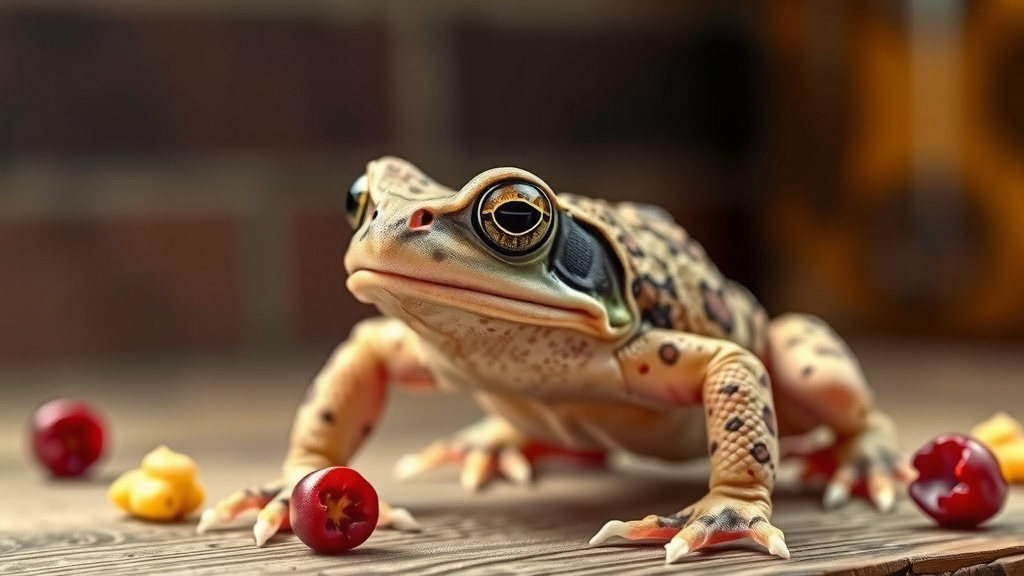
Just as important as knowing what to feed is knowing what to avoid. Certain foods can be harmful or even deadly to your pet toad. For starters, **never feed your toad human food**. Things like bread, cheese, or any processed human snacks are a definite no-go. They lack the necessary nutrients and can cause digestive problems.
Avoidance List
You should also avoid feeding insects that are too large for your toad to swallow whole. An insect that is too big can cause choking or internal injury. Generally, the prey item should be no wider than the space between your toad’s eyes. Many owners also found that feeding wild-caught insects posed the biggest risk of illness.
Let’s summarize the feeding essentials for your little amphibian friend:
- Always feed live insects.
- Vary the types of insects offered regularly.
- Gut-load insects for added nutritional benefit.
- Dust insects with calcium and vitamin supplements.
- Never feed wild-caught insects or human food.
- Ensure prey size is appropriate for your toad.
Creating a Feeding Schedule
Establishing a regular feeding schedule is beneficial for your toad’s digestion and overall well-being. While there’s no one-size-fits-all answer, many toad keepers have found success with certain patterns.
How Often Should You Feed?
Young, growing toads typically need to be fed more frequently than adult toads. You might feed a juvenile toad daily, offering as many appropriately sized insects as they will eat in a 15-minute period. Adult toads, on the other hand, usually do well with feeding every two to three days. It’s better to slightly underfeed than to overfeed, as obesity can be a health concern for toads.
Observing Your Toad’s Behavior
Pay attention to your toad! Are they eating enthusiastically? Are they looking healthy and active? If your toad seems lethargic or isn’t eating, it could be a sign of a problem, which might include their diet. We found that observing your pet’s behavior is one of the **best ways to determine** if their feeding routine is working. Always ensure fresh, dechlorinated water is available at all times.
Here’s a quick look at common food items and their general suitability:
| Food Item | Pros | Cons | Frequency |
|---|---|---|---|
| Crickets | Readily available, nutritious | Can escape, can be noisy | Staple |
| Mealworms | Easy to keep, readily accepted | High in fat, lower in some nutrients | Occasional treat |
| Earthworms (Nightcrawlers) | Highly nutritious, natural | Can be harder to source consistently | Staple |
| Waxworms/Superworms | High fat, good for picky eaters or weight gain | Very high in fat, can lead to obesity | Rare treat |
By sticking to these guidelines, you’ll be well on your way to providing your pet toad with a diet that keeps them healthy, active, and thriving. Remember, a little research and consistent effort go a long way in ensuring your amphibian companion lives a long and happy life!
Conclusion
Feeding your pet toad is all about providing a varied, live insect diet. Remember to gut-load those feeder insects and supplement with calcium and vitamins to keep your amphibian friend healthy. We’ve found that sticking to reputable food sources and avoiding wild-caught bugs is key to preventing illness. Always ensure the prey is an appropriate size for your toad. Now that you know the feeding essentials, take a moment to check your current setup and make any necessary adjustments to your toad’s diet to ensure they’re getting the best nutrition possible.
Frequently Asked Questions
Can I feed my toad insects I catch outside?
We strongly advise against feeding your toad wild-caught insects. These insects can carry harmful pesticides, parasites, or diseases that could make your pet toad very sick. It’s much safer to stick with insects purchased from a reputable pet supply store.
How often should I give my toad calcium and vitamin supplements?
For younger, growing toads, dusting insects every other feeding with supplements is often recommended. Adult toads typically do well with dusting a couple of times a week. Always follow the specific instructions on your chosen supplement packaging.
What are the best insect feeders for a new toad owner?
Crickets are a great staple food as they are readily available and nutritious. Earthworms, like nightcrawlers, are also excellent. Mealworms can be fed, but they are fattier, so they’re better as an occasional treat.
My toad seems to be eating less. Is something wrong with its diet?
A decrease in appetite can sometimes indicate a dietary issue, but it can also be related to temperature, humidity, or stress. Ensure their environment is correct and their food is fresh and appropriately sized. If the problem persists, consult with an amphibian veterinarian.
Can my toad eat fruit or vegetables?
Toads are insectivores, meaning their diet is primarily insects. They cannot digest fruits or vegetables properly, and these foods offer no nutritional benefit. Stick to live insects as their main food source to keep them healthy.