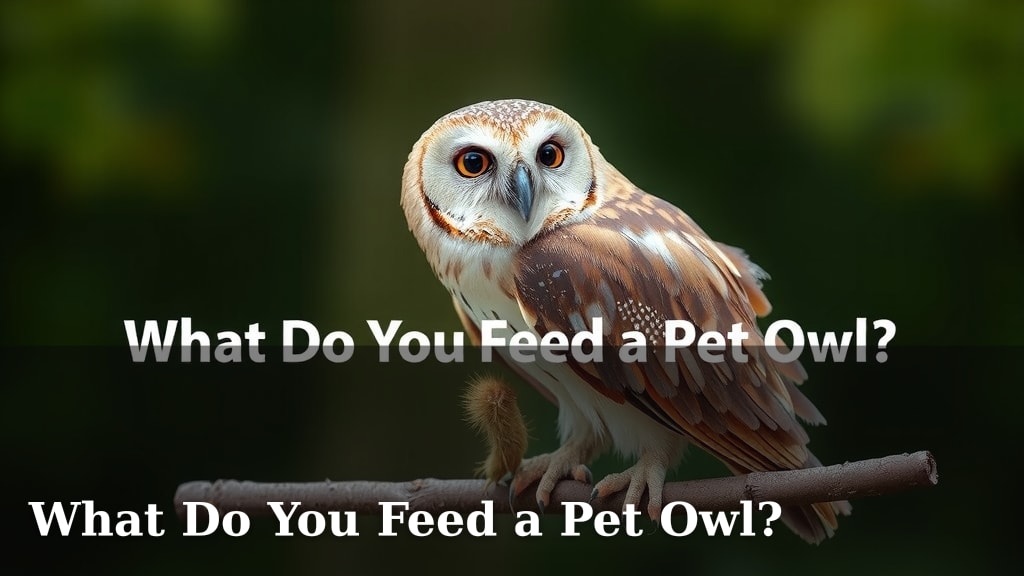
What Do You Feed a Pet Owl?
Feeding a pet owl means providing a diet rich in whole prey. Owls are strict carnivores, and their natural diet consists of small mammals, insects, and sometimes other birds. You should aim to replicate this as closely as possible to ensure your owl receives the necessary nutrients and fiber found in their prey’s bones, fur, and organs. Never feed your owl processed human foods.
Understanding your owl’s specific dietary needs is essential for their health. Different owl species may have slightly varied preferences based on their wild counterparts. Researching the exact species you have is key to providing the best nutrition. This helps prevent dietary deficiencies and ensures they get a balanced meal.
- Feed whole prey items like mice or chicks.
- Supplement with specialized owl pellets if recommended.
- Always provide fresh, clean water.
- Avoid all human foods and processed meats.
- Consult an avian veterinarian for species-specific advice.
Let’s dive into the specifics of what your feathered friend needs to thrive, ensuring you’re feeding them the best possible diet.
You’ve welcomed a magnificent owl into your home, and now you’re wondering what exactly goes into their food bowl. Providing the right nutrition is perhaps the most important aspect of owl care. Think of it like this: you wouldn’t feed a lion a salad, right? Owls have very specific needs as obligate carnivores. Their digestive systems are designed to process whole prey, meaning everything from the bones to the fur or feathers plays a vital role in their diet.
Caring for Your Owl’s Dietary Needs
So, what’s the best way to nourish your owl?
The core of any pet owl’s diet should be whole prey items. This means feeding them entire small animals. This isn’t just about filling their belly; it’s about providing a complete nutritional package. The fur, bones, and organs of these prey animals offer essential calcium, phosphorus, and other nutrients that are hard to replicate in any other way.
Understanding the Owl’s Natural Diet
In the wild, owls are hunters. Their meals typically consist of rodents like mice and voles, insects, and sometimes smaller birds or reptiles, depending on the owl species and their habitat. This natural feeding behavior is your biggest clue for providing the best diet in captivity. You want to mimic what they would find and eat outdoors as closely as possible.
Why Whole Prey is Essential
Let’s break down why feeding whole prey is so important:
- Nutrient Balance: Whole prey provides a natural, balanced source of protein, fats, vitamins, and minerals.
- Digestive Health: The indigestible parts, like fur and bones, form a pellet. This pellet helps clean the digestive tract and aids in nutrient absorption.
- Mental Stimulation: For some birds, the act of consuming whole prey can provide a form of enrichment.
What Kind of Whole Prey Can You Offer?
The most common and readily available whole prey items for pet owls are:
- Rodents: This includes mice, rats, and gerbils. They are often available frozen from specialized suppliers.
- Chicks: Unhatched or day-old chicks, often referred to as “pinks” or “fuzzy” depending on their development, are another staple.
- Insects: Larger insects like large crickets or mealworms can be a good supplement, especially for smaller owl species.
It’s crucial to source these prey items from reputable suppliers. This ensures they have been raised on a healthy diet themselves and are free from diseases or parasites. Never feed wild-caught prey, as it can carry dangerous pathogens (Centers for Disease Control and Prevention).
Prey Size Matters
The size of the prey should be appropriate for your owl. A Great Horned Owl can handle larger prey than a smaller Screech Owl. Feeding prey that is too large can cause choking or digestive issues. Conversely, prey that is too small might not provide enough sustenance.
Supplementing the Diet
While whole prey is the foundation, sometimes supplementation is needed. This is where things can get a little more technical, and consulting with an avian veterinarian is key.
Vitamin and Mineral Supplements
Occasionally, depending on the type of prey and the individual owl’s needs, a calcium or multivitamin supplement might be recommended. Again, do not guess. Your vet can advise you on appropriate supplements and dosages. Over-supplementation can be just as harmful as a deficiency (Poultry Science).
Specialized Owl Pellets
Some owners offer commercially prepared owl pellets or “pelleted diets.” These are designed to mimic whole prey but are formulated for consistency. If you choose to use these, ensure they are specifically made for owls and are of high quality. Always discuss this with your vet.
Feeding Frequency and Amount
The amount and frequency of feeding depend on several factors, including your owl’s age, species, activity level, and the time of year. Younger, growing owls need more food. During molting or breeding seasons, their dietary needs can change. An adult owl might eat every day or every other day, with meals consisting of one or two whole prey items.
Weighing your owl regularly is a great way to monitor their health and adjust their food intake. A sudden weight loss or gain can signal a problem. You want to maintain a healthy, consistent body condition score.
Water: The Essential Element
Never forget about fresh, clean water! Even though owls get moisture from their prey, they still need a constant supply of water. Provide a sturdy water dish that is deep enough for them to drink from and for some species, to bathe in. Keep the water clean by changing it daily or more often if it becomes soiled. Dehydration can quickly become a serious health issue for any animal.
What to Absolutely Avoid Feeding Your Owl
This is a critical section. Your owl’s health depends on you avoiding certain foods:
- Human Foods: No junk food, no leftovers, no treats. Our food is not suitable for owls and can cause severe digestive upset or long-term health problems.
- Processed Meats: Bacon, sausage, deli meats – these are far too high in salt and preservatives. They are dangerous for your owl.
- Cooked Bones: Cooked bones become brittle and can splinter, causing internal injuries. Only raw, digestible bones from whole prey are safe.
- Dairy Products: Owls are lactose intolerant. They cannot digest milk or cheese.
When in doubt, don’t feed it. Stick to what is known to be safe and healthy for owls. This might seem restrictive, but it’s the best way to ensure your owl lives a long, healthy life.
The Importance of Veterinary Care
It cannot be stressed enough: a qualified avian veterinarian is your best resource. They can offer personalized advice based on your specific owl’s species, age, and health status. They can help you troubleshoot feeding issues, recommend specific prey sizes, and advise on supplements. Regular check-ups are also important for monitoring their overall well-being and catching potential problems early.
Finding the Right Vet
Search for veterinarians who have experience with raptors or exotic birds. A regular cat or dog vet may not have the specialized knowledge needed for owl care.
Your Owl’s Feeding Checklist
Here’s a quick rundown to keep you on track:
- Source high-quality, whole prey from reputable suppliers.
- Ensure prey is appropriately sized for your owl.
- Always provide fresh, clean water.
- Avoid all human foods and processed meats.
- Consult your avian vet for dietary advice and supplements.
- Monitor your owl’s weight and body condition regularly.
Conclusion
Providing the right nutrition for your pet owl is a serious responsibility. You’ve learned that whole prey forms the essential foundation of their diet, mimicking their natural hunting habits. Remember to always source prey from safe, reputable suppliers and understand that each owl species has unique needs. By focusing on their carnivorous requirements, avoiding harmful human foods, and staying in close contact with your avian veterinarian, you’re setting your owl up for a long and healthy life. Your commitment to their dietary well-being is a direct reflection of your care.
Frequently Asked Questions
What are the safest whole prey options for pet owls?
The safest and most common whole prey options for pet owls include commercially raised mice, rats, and day-old chicks. Always ensure these are sourced from reputable suppliers who raise them on a healthy diet themselves. Smaller species may also benefit from supplemented insects.
How much should I feed my pet owl?
The amount you feed depends on your owl’s species, age, activity level, and the time of year. Generally, an adult owl might eat one or two whole prey items daily or every other day. Regularly monitoring your owl’s weight is the best way to determine if their food intake is appropriate.
Can I feed my owl frozen prey?
Yes, frozen whole prey is a very common and safe option for pet owls. It’s important to thaw the prey completely before feeding, typically by placing it in the refrigerator overnight. Avoid microwaving or rapidly heating the prey, as this can alter its nutritional value or texture.
What human foods are absolutely forbidden for owls?
You must absolutely avoid feeding your owl any human foods, processed meats like bacon or sausage, and dairy products. These foods contain ingredients like high salt levels, preservatives, and lactose that owls cannot digest and can cause serious health issues or poisoning.
How do I know if my owl is getting enough calcium?
A diet of whole prey, especially rodents with their bones and fur, naturally provides adequate calcium. If you have concerns about calcium intake, or if your owl has specific dietary restrictions, consult your avian veterinarian. They can recommend appropriate supplements and dosages if necessary.