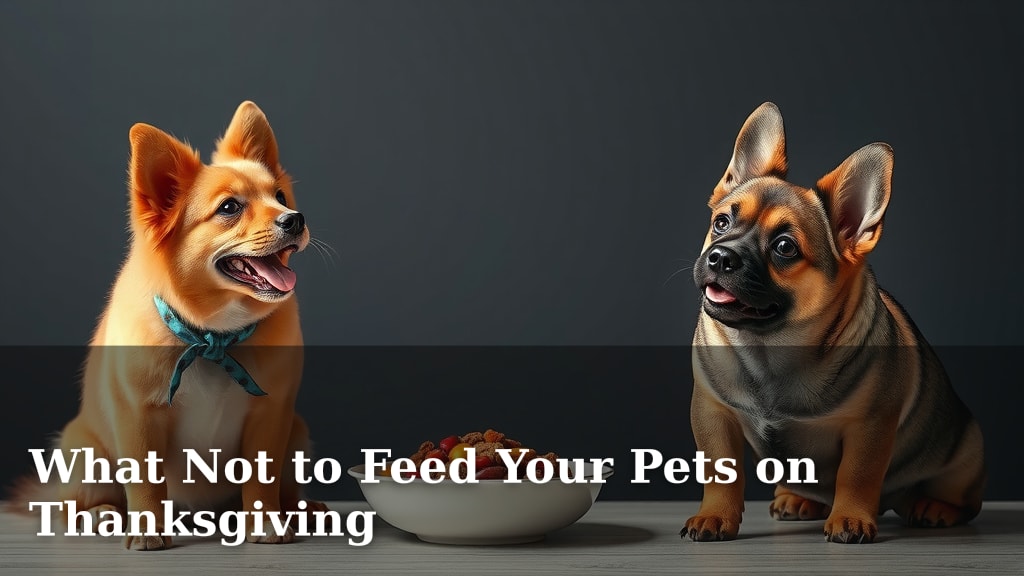
What Not to Feed Your Pets on Thanksgiving
Thanksgiving is a time for delicious food and family, but it’s important to know that not all human foods are safe for your furry friends. Many common Thanksgiving dishes contain ingredients that can be toxic or dangerous to dogs and cats, leading to upset stomachs or more serious health issues. So, what should you *not* feed your pets this holiday season? Keep these dangerous foods far from their reach.
While your pets might beg for a taste of your holiday feast, some human foods can cause serious harm. This includes things like onions, garlic, grapes, raisins, and fatty foods. Even small amounts can trigger digestive problems or worse. Your goal is to keep them safe and happy throughout the celebrations, avoiding a potential trip to the vet.
- Don’t feed pets onions, garlic, or chives.
- Avoid grapes and raisins, which are toxic.
- Steer clear of fatty foods like gravy and turkey skin.
- Be mindful of desserts containing xylitol, a sugar substitute.
- Raw dough with yeast is also a danger.
Let’s walk through exactly what foods to keep away from your beloved pets this Thanksgiving so everyone can enjoy the holiday safely.
Holiday Foods to Keep Away From Your Pets
Thanksgiving is a time to feast with loved ones. But your beloved pets can’t always join in the fun. Many human foods can cause serious harm to dogs and cats. These foods can lead to upset stomachs or even worse. You want everyone to have a safe and happy holiday. Let’s look at common Thanksgiving foods to avoid.
Danger Foods Your Pets Should Never Eat
The Onion and Garlic Family: A Silent Threat
Onions, garlic, chives, and leeks are highly toxic to pets. Even small amounts can damage your pet’s red blood cells. This can lead to anemia. Symptoms might not show up right away. You may notice weakness, lethargy, and pale gums. Many Thanksgiving dishes contain these aromatics. Think stuffing, gravies, and mashed potatoes. Always check ingredient lists before sharing. Your pet’s health is not worth the risk.
Grapes and Raisins: Small But Mighty Poisons
Grapes and raisins seem harmless enough. But they are incredibly dangerous for dogs. Even a few can cause kidney failure. The exact toxic substance is still unknown. But research shows a clear link between consumption and adverse effects (Veterinary Medicine). It’s best to keep all grape products far away. This includes raisins found in baked goods or trail mix. Always store these items securely. A quick trip to the vet can be avoided.
Fatty Foods: A Recipe for Disaster
Many Thanksgiving favorites are loaded with fat. Turkey skin, gravy, drippings, and creamy casseroles are common. High-fat foods can cause pancreatitis in dogs. This is a painful inflammation of the pancreas. Symptoms include vomiting, diarrhea, and abdominal pain. It can be very serious and require hospitalization. Even a small lick of gravy can trigger an episode. Consider a plain, lean portion of turkey meat if you must share. But avoid the fatty parts and sauces.
Salty Snacks and Rich Foods
Salty foods like pretzels, chips, and deli meats are tempting. But they can lead to excessive thirst and urination. In severe cases, salt poisoning can occur. This can cause vomiting, diarrhea, and even tremors. Rich, fatty foods are also problematic. They can upset your pet’s digestive system. Stick to pet-safe treats. Your pet doesn’t need extra sodium. Let them enjoy their own safe goodies.
Sweet Treats That Can Turn Sour
Beware of Xylitol in Desserts
Many sugar-free treats contain xylitol. This artificial sweetener is found in pies, cookies, and candies. Xylitol is extremely toxic to dogs. It can cause a rapid drop in blood sugar. It can also lead to liver failure. Even a small amount can be deadly. Symptoms include vomiting, lethargy, and seizures. Always read labels carefully. If a dessert is sugar-free, assume it might contain xylitol. Keep all baked goods out of reach.
Alcohol and Caffeine: Double Trouble
Alcoholic beverages are a no-go for pets. They can cause vomiting, diarrhea, and disorientation. In larger amounts, they can lead to coma and death. Caffeine, found in coffee, tea, and some sodas, is also dangerous. It can cause restlessness, rapid breathing, and heart palpitations. Many experts advise against any exposure (ASPCA). Keep all drinks safely stored. Your pet can’t process these substances like humans can.
Raw Dough and Yeast: A Dangerous Mix
Raw bread dough containing yeast is a serious hazard. As the yeast ferments in your pet’s stomach, it produces gas. This can cause bloating and a life-threatening condition called gastric dilatation-volvulus (GDV). The dough also ferments into alcohol. This can lead to alcohol poisoning. Never leave raw dough unattended. Bake your pies and bread in a pet-proof area.
The Bones About It: Not All Parts Are Safe
Cooked Bones Pose a Choking Hazard
While raw bones might be a topic of debate, cooked bones are a definite no. When cooked, bones become brittle. They can splinter easily. These splinters can cause choking or serious internal injuries. They can puncture the mouth, throat, or intestines. Never give your pet cooked bones from your Thanksgiving turkey or ham. It’s a recipe for a veterinary emergency.
Corn Cobs: A Surprisingly Common Danger
Turkey often comes with corn on the cob as a side. While the corn kernels are usually fine, the cob itself is not. Dogs love to chew on corn cobs. However, they can easily swallow large pieces. These pieces can cause intestinal blockages. Intestinal blockages often require surgery. Dispose of corn cobs immediately. They can cause serious digestive upset.
What Can Your Pet Safely Enjoy?
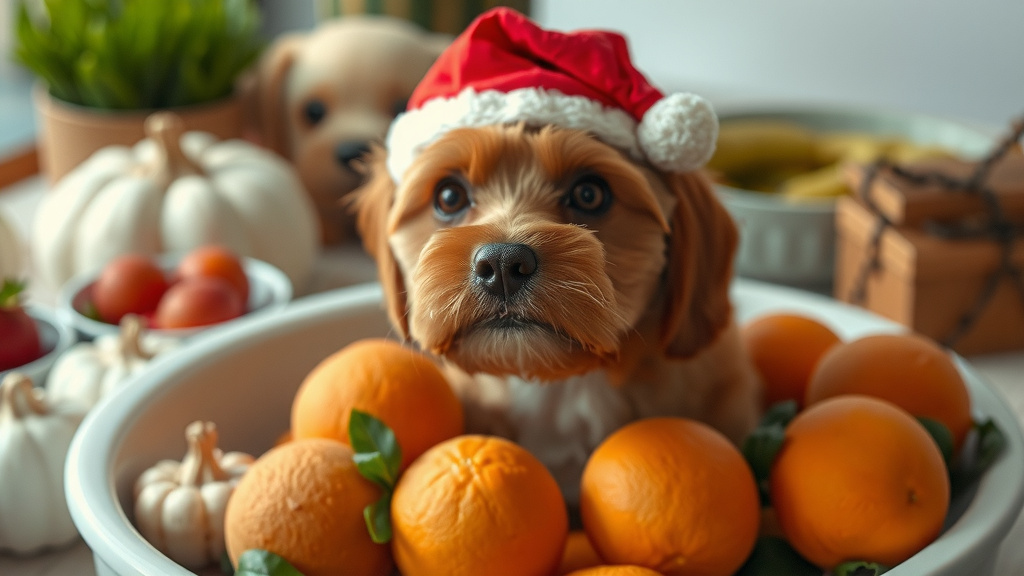
It’s natural to want to share your meal. But most Thanksgiving dishes are too risky. Instead, focus on pet-specific treats. A small piece of plain, cooked turkey meat (no skin, no seasoning) can be okay. Plain, cooked sweet potato is also a good option. Avoid anything with butter, sugar, or spices. Always consult your veterinarian if you are unsure about a food. A little planning ensures a safe holiday for everyone.
Thanksgiving Pet Food Safety Checklist
- Keep onions, garlic, and chives far from pets.
- Store grapes and raisins securely out of reach.
- Avoid feeding pets fatty foods like turkey skin and gravy.
- Read dessert labels for xylitol, a toxic sugar substitute.
- Never give pets cooked bones or corn cobs.
- Ensure alcoholic and caffeinated drinks are inaccessible.
Conclusion
Thanksgiving is a wonderful time to enjoy with your loved ones, including your pets. You now know which common Thanksgiving foods can be dangerous for your furry family members. Remember to keep toxic ingredients like onions, garlic, grapes, raisins, and xylitol far out of reach. Fatty, salty, and cooked bone-in meats are also risks you want to avoid. Prioritize your pet’s safety by sticking to pet-approved treats or small, plain pieces of turkey meat. This holiday season, make sure your celebrations are happy and safe for everyone, paws included.
Frequently Asked Questions
What should I do if my pet eats something they shouldn’t have?
If you suspect your pet has eaten a dangerous food, don’t wait for symptoms to appear. Contact your veterinarian or an animal poison control center immediately. They can advise you on the best course of action based on what your pet consumed and their size. It’s always better to err on the side of caution to prevent serious health issues.
Are small amounts of human food really that bad for pets?
Even small amounts of certain human foods can be harmful, depending on the ingredient and your pet’s size and health. Ingredients like onions, garlic, and xylitol are toxic even in tiny quantities and can cause severe reactions or organ damage. Fatty foods can trigger painful pancreatitis. Always consult your vet if you’re unsure.
Can my dog have just a little bit of plain turkey?
Yes, a small, unseasoned, and un-basted piece of plain cooked turkey meat is generally safe for dogs. You must remove all skin, fat, and bones first, as these can cause digestive upset or pose a choking hazard. Avoid any seasonings, butter, or sauces that may have been used in cooking. Ensure it’s cooled before offering it.
What about pet-safe Thanksgiving desserts?
Many human desserts contain ingredients toxic to pets, like xylitol or excessive sugar and fat. For a safe treat, consider making pet-specific “pupkin” pie using pureed pumpkin (unsweetened) and pet-safe spices, or plain cooked sweet potato without any added sugars or butter. Always double-check ingredients and consult your vet if you have any doubts about a recipe.
How can I prevent my pets from getting into Thanksgiving food?
The best prevention is to keep all unsafe foods stored securely away from your pets. Use baby gates or keep pets in a separate room during mealtimes if they are prone to begging or scavenging. Educate your guests not to feed pets from the table. Having engaging, pet-safe toys or a special long-lasting chew can also help distract them.