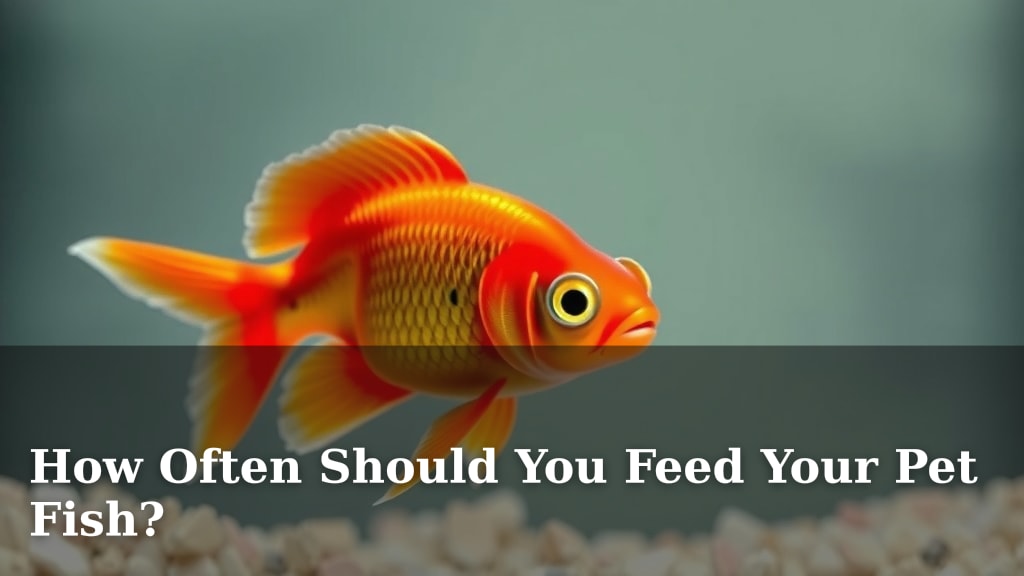
How Often Should You Feed Your Pet Fish?
Most pet fish do best with feeding just once a day, providing only what they can eat within two to three minutes. Overfeeding is one of the most common mistakes new fish keepers make, and it can lead to serious health problems for your aquatic friends and a messy tank.
The exact amount and frequency can vary based on your fish species, their age, and their activity level. We found that understanding these nuances is key to keeping your fish healthy and happy. It’s less about a strict schedule and more about observation and meeting their specific needs.
- Feed most fish once daily.
- Only give what they eat in 2-3 minutes.
- Overfeeding causes health issues and poor water quality.
- Check your specific fish’s needs.
Below, we’ll break down how often you should really be feeding your pet fish and why it matters so much for their well-being.
It’s easy to think more food means a happier fish. But when it comes to feeding your finned friends, less is often more. You want to keep your fish healthy and thriving. That means understanding their specific needs. Overfeeding can cause serious problems you don’t want.
Figuring Out Your Fish’s Feeding Schedule
The general rule is to feed most pet fish once a day. This works for a lot of common aquarium inhabitants. Think of it like a single, satisfying meal for them. It helps mimic their natural feeding patterns in the wild. They’d typically forage for food throughout the day. A single feeding session can satisfy this instinct.
Why just once a day? It comes down to their digestive systems. Fish don’t have stomachs like we do. Their digestive tracts are much simpler. This means they can’t process large amounts of food at once. Giving them too much can lead to health issues. It can also quickly foul up their tank water. We want to avoid that!
How Much Is Too Much? The Two- to Three-Minute Rule
So, if you’re feeding once a day, how much should you give? A good guideline is to offer only what your fish can consume in about two to three minutes. This is a widely accepted method in the aquarium hobby. It helps prevent overfeeding. Set a timer if you need to! It’s better to err on the side of caution.
Once the time is up, remove any uneaten food. This is important! Leftover food breaks down. It releases ammonia into the water. Ammonia is toxic to fish. It can quickly harm their gills and overall health. You don’t want your fish swimming in their own waste. A small net or siphon can help with cleanup.
The Dangers of Overfeeding Your Fish
Overfeeding is one of the biggest mistakes new fish keepers make. It’s usually done with the best intentions. You just want your fish to be well-fed. But the consequences can be severe. Let’s look at why it’s so bad.
Health Problems for Your Fish
Too much food can lead to several health issues for your fish. They can become obese, which puts a strain on their organs. This can shorten their lifespan. Fish can also develop digestive problems like bloat or swim bladder disease. These conditions can make it difficult for them to swim properly. Sometimes, it can be fatal.
Research suggests that overfeeding can disrupt their internal systems. It can lead to a buildup of fat deposits. This is not good for their long-term health. You want your fish to be active and bright. An overfed fish might become lethargic and dull. That’s a sign something’s not right.
Water Quality Deterioration
This is a big one. Uneaten food decays. It turns into ammonia. Ammonia is highly toxic to fish. Even small amounts can be harmful. Fish excrete waste, too. More food means more waste. This leads to a rapid increase in ammonia and nitrites. These are harmful compounds. Your aquarium’s nitrogen cycle can become overwhelmed. This creates a dangerous environment.
High levels of ammonia and nitrites stress fish. It can damage their gills. It makes them more susceptible to diseases. A clean tank is a healthy tank. Overfeeding is a direct path to a dirty, unhealthy tank. Many experts stress the importance of water quality for fish survival (National Aquaculture Association). They found that consistent water parameters are key.
Factors That Influence Feeding Frequency and Amount
While the once-a-day rule is a good starting point, it’s not one-size-fits-all. Several factors can influence how often and how much you should feed your fish. Understanding these will help you fine-tune your feeding routine.
Species-Specific Needs
Different fish come from different environments. They have different dietary needs. Some fish are herbivores. They eat plants and algae. Others are carnivores, eating other fish or insects. Many are omnivores, eating a bit of both. You need to know what type of eater your fish is.
For example, a plecostomus (pleco) needs algae wafers or vegetables. They graze throughout the day. You might offer them a small portion every other day. Some fish, like bettas, are carnivores and should be fed protein-rich foods sparingly. Researching your specific fish species is extremely important. Fishkeeping websites and books are great resources.
Age and Life Stage
Just like with humans, younger fish need more food. Fry (baby fish) and juveniles are growing rapidly. They need more frequent meals to support their development. They might benefit from smaller meals given 2-3 times a day. As they mature, you can gradually reduce the frequency to once a day.
Older or senior fish might have slower metabolisms. They might not need as much food. You may need to adjust their portions slightly. Always observe your fish. Are they active? Do they look healthy? These are clues to whether their diet is right.
Activity Level and Tank Environment
A very active fish species might burn more calories. They might need slightly more food. Some fish are just naturally more energetic. Others are quite content to lounge around. Think about how much your fish moves. A stressed fish might not eat much, even if it’s hungry. Conversely, a fish that’s always on the go might need a bit more fuel.
The tank environment also plays a role. Is your tank heavily planted? Are there live foods available for them to forage on? This might mean they need less added food. If your tank is bare-bones, they rely on you for everything. You’re their sole provider.
Type of Food Being Offered
The type of food you feed matters. Flakes, pellets, gels, frozen foods, and live foods all have different nutritional values. High-quality foods are more nutrient-dense. You might need to feed less of a premium pellet than a basic flake. Frozen or live foods can be very rich. They should be used as treats or in smaller quantities.
Always check the packaging for feeding guidelines. These are often a good starting point. But remember, they are general recommendations. Your specific fish might need slight adjustments. We found that rotating food types can also be beneficial. It ensures a well-rounded diet.
Tips for Successful Fish Feeding
Making sure your fish are fed correctly is rewarding. It contributes to a beautiful, healthy aquarium. Here are some tips to help you succeed:
- Observe your fish daily. Look for signs of health or illness.
- Vary their diet. Offer different types of food occasionally.
- Use a good quality food. It makes a difference in their health.
- Remove uneaten food promptly. Keep that water clean!
- Don’t feed if your fish is sick. Consult an expert first.
Learning your fish’s individual needs is key. It’s about creating a balanced ecosystem in your tank. A happy, healthy fish is a joy to watch. You’re doing a great job by learning more about their care!
Conclusion
You’ve learned that feeding your fish just once a day, giving them what they can eat in 2-3 minutes, is usually the best approach. Overfeeding can lead to unhappy fish and dirty tanks. Remember to consider your fish’s species, age, and activity level. Observing your fish and adjusting their diet accordingly is key to their health. Your goal is a thriving aquarium with happy, healthy swimmers. Take the next step and research your specific fish species to tailor their diet perfectly.
Frequently Asked Questions
What happens if I feed my fish too much?
Feeding your fish too much can cause obesity and digestive issues like bloat. It also quickly pollutes the aquarium water with ammonia and nitrites. This can stress your fish and make them sick.
How can I tell if I’m overfeeding my fish?
Look for signs like uneaten food floating on the surface after a few minutes. Your fish might also appear lethargic, or you may notice cloudy water and algae blooms. These are clear indicators that food amounts need adjusting.
Should I feed my fish every day?
For most common pet fish, feeding once daily is ideal. Some species, especially very young fish or certain active types, might benefit from slightly more frequent, smaller meals. Always confirm your specific fish’s needs.
Is it okay to skip a day of feeding my fish?
Yes, it’s generally fine to skip a feeding day for most adult fish once a week. This can actually be beneficial for their digestion and mimic natural fasting periods. Just ensure they get their regular portions on other days.
What’s the best time of day to feed my fish?
The specific time isn’t as critical as consistency. Choose a time that works for your schedule, perhaps in the morning or evening. Feeding around the same time each day helps establish a routine your fish can rely on.