Every Pet Owner Needs This: How to Feed Your Pet Properly
Let me ask you something—when was the last time you really thought about what you’re putting in your pet’s bowl? Most of us grab whatever’s on the shelf, pour it in, and hope for the best. But here’s the truth: feeding your pet properly is one of the most important responsibilities you’ll ever have as a pet owner. It’s not just about keeping them alive; it’s about giving them the nutrients they need to thrive, play, and live a long, healthy life alongside you.
I’ve been around pets my entire life, and I’ve seen firsthand how proper nutrition transforms them. A well-fed dog has a shinier coat, more energy, and a better temperament. A cat on the right diet has fewer health issues and lives longer. Your small furry friends, birds, and even reptiles all depend on you to make informed choices about their meals. This guide is going to walk you through everything you need to know.
Understanding Your Pet’s Nutritional Needs
Before we talk about what to feed your pet, we need to understand why they need certain things. Think of your pet’s body like a car engine—you wouldn’t put cheap gas in a luxury vehicle and expect it to run smoothly, right? The same principle applies to your furry friend.
The Building Blocks of Pet Nutrition
Every pet needs six essential components in their diet: proteins, fats, carbohydrates, vitamins, minerals, and water. These aren’t just fancy words on a nutrition label—they’re the actual foundation of your pet’s health.
Proteins are crucial for building and repairing tissues. Dogs need about 18 percent protein in their diet, while cats need at least 26 percent. Why the difference? Cats are obligate carnivores, which means their bodies are designed to process meat more efficiently than plant-based proteins.
Fats provide energy and help with coat health and skin condition. Many pet owners fear fat content, but the right fats are essential. Look for omega-3 and omega-6 fatty acids in your pet’s food—these are like the premium fuel for their body’s engine.
Carbohydrates give your pet energy for daily activities. While dogs can survive without carbs, they can be beneficial in moderation. Cats, however, don’t have the same nutritional need for carbohydrates.
Vitamins and minerals support everything from bone health to immune function. These micronutrients are like the spark plugs in that engine analogy—they’re small but absolutely critical.
Why Different Pets Need Different Diets
You wouldn’t feed a rabbit the same food as a dog, and you definitely wouldn’t feed a fish the same pellets as a parrot. Each species has evolved different digestive systems and nutritional requirements. This is where many pet owners go wrong—they assume all pet food is created equal.
Choosing the Right Food for Dogs
Dogs are probably the most popular pet, and there’s absolutely no shortage of food options. But more choices doesn’t always mean better choices. Let me break down what you should actually be looking for.
Reading Dog Food Labels Correctly
Here’s a shocking truth: not all dog foods are created equal, and manufacturers know exactly how to make their products look better than they actually are. The first thing you should do is flip that bag around and actually read the ingredient list. The ingredients are listed by weight, so the first few ingredients matter most.
Look for a named meat source as the first ingredient. “Chicken” or “beef” is good. “Meat meal” or “by-products” should make you pause. It’s like the difference between buying fresh ingredients versus something pre-made—you want to know what you’re getting.
- Named meat sources (chicken, beef, fish, lamb)
- Whole grains or high-quality carbohydrate sources
- Identifiable fat sources (chicken fat, fish oil)
- Minimal artificial preservatives and colors
- Appropriate fiber content for digestive health
Wet vs. Dry Food for Dogs
This is a question I hear constantly, and the answer is: it depends. Both have advantages and disadvantages.
Dry kibble is convenient, affordable, and actually good for your dog’s teeth—the chewing action helps clean them naturally. It also lasts longer once opened and doesn’t spoil as quickly. However, it has lower moisture content, which means your dog needs to drink more water to stay hydrated.
Wet food has higher moisture content, making it great for dogs who don’t drink enough water. It’s often more palatable and easier to digest. The downside? It’s more expensive, goes bad quickly after opening, and doesn’t provide that dental benefit.
Many pet owners find success with a combination approach—using dry kibble as the main meal and occasionally mixing in wet food for variety and hydration.
Age-Specific Nutrition for Dogs
Your dog’s nutritional needs change throughout their life. A 12-week-old puppy needs different nutrition than a 7-year-old adult dog, which needs something different than a 14-year-old senior.
Puppies are growing rapidly and need more calories and protein. Look for foods specifically labeled for puppies—these are formulated for their rapid development.
Adult dogs (roughly 1-7 years, depending on breed) thrive on a balanced maintenance diet. This is the bulk of your dog’s life, so get this part right.
Senior dogs (7+ years) often benefit from lower calories but increased joint support. Look for added glucosamine and chondroitin if your older dog is showing signs of arthritis.
Feeding Your Cat: A Special Case
Cats are pickier eaters than dogs, and their nutritional needs are genuinely different. Remember that obligate carnivore thing I mentioned? That’s the key to understanding cat nutrition.
Why Cats Are Obligate Carnivores
A cat’s body is designed to get its nutrition from meat, not plants. Unlike dogs, who have adapted to eat a wider variety of foods over thousands of years, cats haven’t made that evolutionary shift. They need taurine, an amino acid found primarily in meat, which their bodies can’t produce on their own.
This is actually a common cause of health problems in cats. If a cat doesn’t get enough taurine, it can lead to heart disease, blindness, and other serious issues. So when you’re choosing cat food, make sure taurine is listed in the ingredients.
Wet vs. Dry Food for Cats
Here’s where cat nutrition differs from dog nutrition. While dry food works fine for dogs, many veterinarians actually recommend wet food for cats. Why? Cats have a naturally low thirst drive—they evolved in the Middle East where they got most of their water from their prey. When we feed them dry kibble, they often don’t drink enough water, which can lead to urinary and kidney problems.
Wet food provides that crucial moisture while delivering the meat-based protein cats need. If your cat only eats dry food, make sure you’re encouraging plenty of water intake—consider getting a cat water fountain, as many cats prefer running water.
Understanding Cat Food Ingredients
Just like with dogs, you need to read the label. Look for meat as the primary ingredient. “Chicken,” “turkey,” “beef,” or “fish” should be near the top of that ingredients list. Watch out for excessive grains and fillers—your cat doesn’t need them and might actually be allergic to some grain ingredients.
Feeding Small Pets: Rabbits, Hamsters, and Guinea Pigs
Small pets get overlooked in nutrition conversations, but they deserve just as much attention. Their dietary needs are actually quite specific, and getting them wrong can cause serious health problems.
The Rabbit Diet Essentials
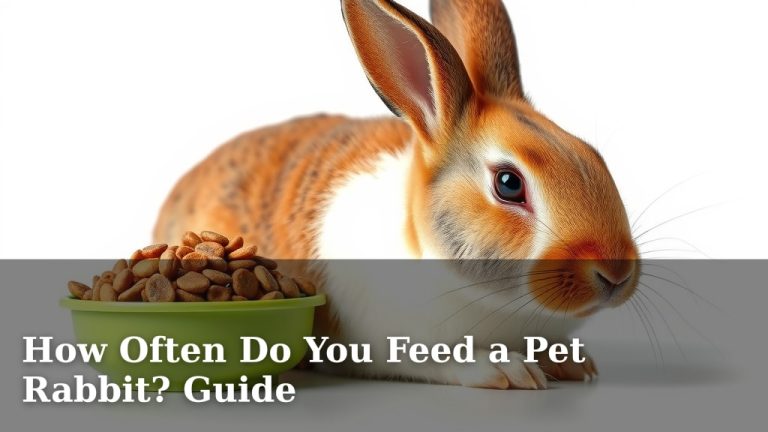
Rabbits are herbivores, and unlike what many pet stores suggest, they shouldn’t be living on pellets alone. High-quality hay should actually make up about 85 percent of their diet. Timothy hay or orchard grass provides the fiber their digestive systems need to function properly.
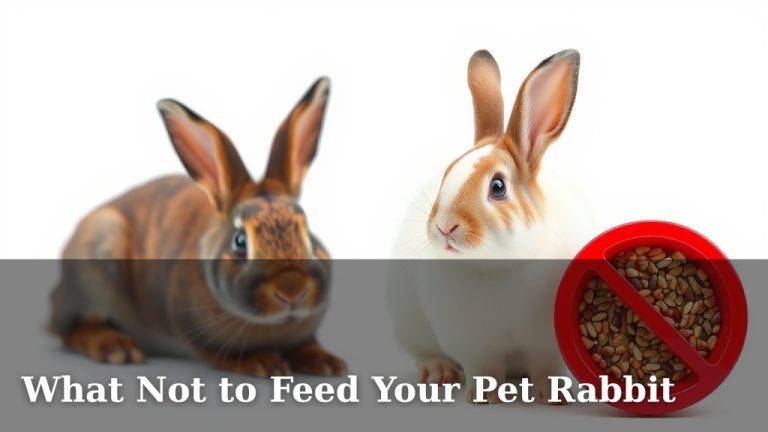
Fresh vegetables should be about 10 percent of their diet, with pellets making up the remaining 5 percent. Leafy greens like kale, spinach, and romaine lettuce are great. Avoid iceberg lettuce—it’s mostly water and nutritionally empty.
Guinea Pigs and Vitamin C
Guinea pigs are unique among small pets because they can’t produce their own vitamin C and need it supplemented in their diet. This is a common health problem when guinea pigs don’t get enough vitamin C—they develop scurvy, just like sailors did hundreds of years ago.
Make sure their pellets include vitamin C, and offer plenty of fresh vegetables that are high in this nutrient. Bell peppers, broccoli, and citrus fruits are excellent choices. The key is freshness—vitamin C degrades over time, so keep vegetables from sitting in the bowl too long.
Hamster and Gerbil Nutrition
These little guys need a balanced diet of pellets, seeds, and vegetables. Unlike rabbits, they need the pellets as their primary food source. Look for formulas specifically designed for hamsters or gerbils, as their needs differ slightly from larger rodents.
Fresh water is absolutely essential and should be changed daily. Water bottles are great, but check them regularly to make sure they’re not clogged or broken.
Feeding Birds Properly
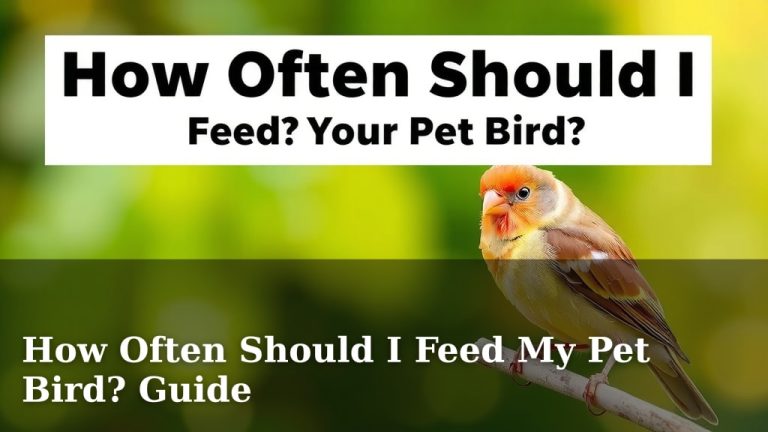
Birds have incredibly fast metabolisms and need constant access to food and water. A bird that goes without eating for just a few hours can face serious health problems.
Beyond Just Seeds
Many people think bird food is just seeds, but that’s actually a limited and unbalanced diet. Seeds are high in fat and lacking in many essential nutrients. A proper diet for most birds includes:
- High-quality pellets as the foundation (60-70 percent of diet)
- Fresh fruits and vegetables (20-30 percent)
- Healthy seeds and nuts as occasional treats (5-10 percent)
- Occasional protein sources like cooked eggs or legumes
Different bird species have different needs. Parrots need more fat than smaller birds like finches. Nectar-feeding birds like hummingbirds need specialized nectar solutions. Do your research based on your specific bird species.
How Much Should You Actually Feed Your Pet?
This is where many pet owners mess up. Overfeeding is more common than underfeeding, and it contributes to obesity, which is probably the number one health problem in pets today.
Reading Feeding Guidelines
Those guidelines on pet food packages exist for a reason, but they’re not always perfect for every individual pet. They’re based on an average pet, and your pet might not be average. Factors that affect how much you should feed include:
- Age (puppies and seniors have different needs)
- Activity level (a couch potato needs fewer calories than an active runner)
- Metabolism (just like humans, some pets burn calories faster)
- Health conditions (thyroid issues, diabetes, and other conditions affect nutrition)
- Current weight and body condition
The Body Condition Score Method
Instead of obsessing over exact measurements, veterinarians often use a body condition score. You should be able to feel your pet’s ribs without pressing hard, see a waist when looking from above, and see an abdominal tuck when looking from the side. If you can’t feel the ribs or see the waist, your pet probably needs less food.
This is much more practical than weighing out precise portions, though portion control is still important. Talk to your vet about your pet’s ideal weight and body condition.
Special Dietary Considerations
Some pets have special needs that go beyond basic nutrition. If your pet falls into any of these categories, you’ll need to do some extra research or work closely with your veterinarian.
Allergies and Food Sensitivities
Pets can develop food allergies just like humans can. Common culprits include chicken, beef, dairy, and grains. Symptoms might include itchy skin, vomiting, diarrhea, or ear infections.
If you suspect your pet has a food allergy, work with your vet to identify the culprit. An elimination diet—where you remove potential allergens one at a time—can help pinpoint the problem. Once you know what your pet can’t eat, finding appropriate food becomes much easier.
Weight Management Diets
If your pet is overweight, simply feeding less of regular food might not be enough. Weight management formulas are specifically designed to be lower in calories while still being satisfying. They often have more fiber, which makes pets feel fuller longer.
Never put your pet on a crash diet—gradual weight loss of about 1-2 percent of body weight per week is ideal. Your vet can help you create a healthy weight loss plan.
Medical Diets for Health Conditions
Pets with kidney disease, diabetes, heart disease, or other chronic conditions often need specialized prescription diets. These aren’t available at your local pet store—your vet needs to prescribe them specifically for your pet’s condition. Don’t skip this if your vet recommends it. These diets are formulated to manage the disease and extend your pet’s life.
Treats and Table Scraps: How Much Is Too Much?
Let’s be honest—we all love giving our pets treats. But treats add calories and can quickly add up to overfeeding.
The 10 Percent Rule
A good guideline is that treats should make up no more than 10 percent of your pet’s daily caloric intake. If your dog needs 1,000 calories per day, treats should be no more than 100 calories.
This might seem like a lot, but most commercial dog treats are actually pretty calorie-dense. A single cookie might be 50-100 calories. Count them out or measure them out—don’t just grab a handful and hope for the best.
Safe and Unsafe Human Foods
Some human foods are fine for pets. Carrots, green beans, and pumpkin are all healthy treats. But some are actively dangerous. Chocolate, grapes, raisins, onions, garlic, and foods containing xylitol (an artificial sweetener) can make your pet seriously ill.
When in doubt, don’t give it to your pet. The temptation to share your snack is understandable, but your pet’s health is more important than that moment of cuteness.
Hydration: The Often Forgotten Essential
You can go weeks without food, but only days without water. Yet many pet owners don’t pay enough attention to their pet’s water intake.
Fresh Water Daily
Your pet should have access to fresh water at all times. This might seem obvious, but you’d be surprised how many water bowls sit in the corner, ignored and filthy. Change the water daily—more often if your pet tends to drop food or dirt in it.
For indoor cats especially, consider a water fountain. The moving water is more appealing and encourages them to drink more, which is crucial for kidney health.