What Should I Feed My Pet Raccoon?
Feeding a pet raccoon requires careful planning. You should offer a varied diet that mimics their natural foraging habits, focusing on protein, fruits, and vegetables. Avoid processed foods and excessive sweets, as these can cause health problems.
Raccoons are omnivores, meaning they eat both plants and animals. Their wild diet includes insects, small vertebrates, eggs, nuts, seeds, and fruits. Replicating this diversity at home is key to their well-being. It’s important to understand their nutritional needs to keep them healthy and happy.
- Offer a mix of protein, fruits, and veggies.
- Supplement with nuts and seeds.
- Avoid sugary and processed human foods.
- Always provide fresh, clean water.
- Consult a vet for specific dietary needs.
Let’s walk through exactly what you should be feeding your furry little friend.
“`htmlWhat to Feed Your Pet Raccoon: A Dietary Guide
Wondering about the best food for your masked bandit? You’ve come to the right place! Feeding a pet raccoon involves understanding their omnivorous nature. We’ll help you create a balanced diet. This ensures your raccoon stays healthy and happy for years to come.
Building a Balanced Raccoon Diet
Think of your raccoon’s diet like a chef’s carefully crafted menu. It needs a variety of high-quality ingredients. This mimics what they’d find in the wild. A diverse diet helps prevent nutritional deficiencies. It also keeps your raccoon engaged and excited about mealtime.
Protein Sources: The Building Blocks
Protein is super important for raccoons. It helps build strong muscles and supports overall health. You’ll want to offer a good amount of lean protein sources. These should be part of their daily meals.
Animal-Based Proteins
In the wild, raccoons hunt small creatures. You can replicate this by offering certain animal proteins. Cooked, unseasoned lean meats are excellent choices. Think chicken, turkey, or lean beef. Make sure there are no bones or added spices. Small amounts of cooked fish can also be given. Remember to remove any bones or skin. Some experts suggest feeding raw, lean meats sparingly. Always ensure the meat is fresh and handled safely to prevent illness.
Insect and Egg Proteins
Insects are a natural food for raccoons. You can offer commercially raised insects. Crickets, mealworms, and earthworms are good options. Always buy them from reputable pet supply stores. Avoid catching insects from your yard. They might have pesticides or parasites. Cooked eggs, scrambled or hard-boiled, are another great protein boost. Offer them plain, without salt or butter. These provide essential nutrients.
Fruits and Vegetables: Vitamins and Fiber
Fruits and vegetables add essential vitamins, minerals, and fiber to your raccoon’s diet. They also provide natural sugars for energy. Variety is key here, just like with protein!
Safe Fruits for Your Raccoon
Most fruits are safe in moderation. Berries like blueberries, strawberries, and raspberries are excellent. Apples (seeds removed), bananas, melons, and grapes are also good choices. However, always remove pits and seeds from fruits. These can be toxic or cause blockages. Limit highly acidic fruits like citrus. Too much can upset their stomach.
Veggies They’ll Love
A wide range of vegetables is beneficial. Leafy greens like spinach and kale are good. So are carrots, sweet potatoes, broccoli, and peas. You can offer them raw or lightly steamed. Avoid starchy vegetables like potatoes or corn in large amounts. They can be hard to digest. Some sources recommend avoiding raw onions and garlic entirely. These can be toxic to animals.
Grains and Other Nutritious Additions
While not the main focus, small amounts of grains and other items can supplement their diet. These add variety and extra nutrients.
Healthy Grains and Seeds
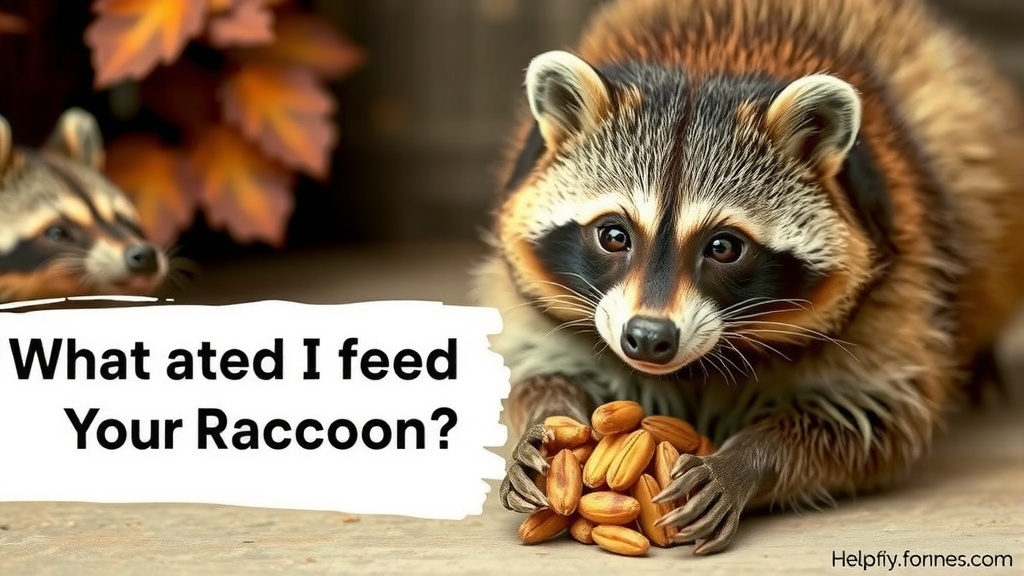
Cooked whole grains like oatmeal or brown rice can be offered. These should be plain and unsalted. A small amount of nuts and seeds can also be given. Walnuts, almonds, and sunflower seeds are good choices. Make sure they are unsalted and raw. Nuts are high in fat, so offer them as an occasional treat. Be sure to crush larger nuts for smaller raccoons to prevent choking.
Foods to AVOID at All Costs
Just as important as knowing what to feed is knowing what NOT to feed. Certain human foods can be harmful or even deadly to raccoons.
The Danger of Processed and Sugary Foods
Raccoons have sensitive digestive systems. Processed human foods are a big no-no. This includes things like chips, crackers, and cookies. Sugary treats, candy, and desserts are also extremely harmful. These can lead to obesity, diabetes, and other serious health issues. Avoid anything with artificial sweeteners, colors, or preservatives. They can cause digestive upset and long-term problems.
Other Risky Items
Some common human foods are outright toxic. Chocolate, caffeine, and alcohol are dangerous. Dairy products can cause digestive upset for many raccoons. Even something as simple as avocado can be problematic. It’s best to stick to the safe list we’ve discussed. When in doubt, leave it out!
Hydration is Key: Water, Water, Everywhere
Just like us, raccoons need access to fresh, clean water at all times. They use water not only for drinking but also for washing their food. This is a natural instinct for them.
Providing the Best Water Source
Use a heavy ceramic bowl or a sturdy water dispenser. This prevents spills and contamination. Clean the water dish daily. Make sure it’s always full. Dehydration can quickly lead to health problems. Fresh water is a simple but vital part of their diet.
Creating Your Raccoon’s Feeding Schedule
Establishing a regular feeding schedule is beneficial. It helps with digestion and training. Most adult raccoons do well with one or two meals per day. Young, growing raccoons might need more frequent, smaller meals.
Portion Control and Variety
The amount you feed will depend on your raccoon’s age, size, and activity level. A good rule of thumb is to offer about 2-3% of their body weight in food daily. We found that offering a mix of protein, fruits, and vegetables at each meal works best. Rotate the specific items you offer to ensure a wide range of nutrients. For instance, one day offer chicken and berries, the next turkey and leafy greens. This keeps things interesting and nutritionally complete.
Here’s a sample daily feeding breakdown for an adult raccoon (amounts are approximate and should be adjusted):
| Food Category | Approximate Daily Amount | Frequency |
|---|---|---|
| Lean Protein (cooked chicken, turkey, eggs, insects) | 50-60% of total diet | Daily |
| Fruits (berries, apples, melon) | 20-30% of total diet | Daily |
| Vegetables (leafy greens, carrots, peas) | 15-20% of total diet | Daily |
| Grains/Nuts/Seeds (small amounts, unsalted) | Less than 5% of total diet | Occasional treat |
When in Doubt, Ask the Experts!
Navigating the dietary needs of a pet raccoon can feel overwhelming. It’s always a good idea to consult with a veterinarian. Especially one experienced with exotic animals. They can offer personalized advice. They can also help create a diet plan tailored to your specific raccoon. This ensures they get all the nutrients they need.
Here’s a quick checklist to keep your raccoon’s diet on track:
- Offer a balanced mix of protein, fruits, and vegetables.
- Supplement with safe, unsalted nuts and seeds in moderation.
- Always provide fresh, clean water.
- Strictly avoid processed foods, sugary treats, and toxic items.
- Consult an exotic vet for tailored dietary advice.
- Monitor your raccoon for any signs of digestive upset or health changes.
Conclusion
You’ve learned how to provide your pet raccoon with a healthy, balanced diet. Remember, variety is key, mimicking their natural foraging behaviors. Focus on lean proteins, fresh fruits, and vegetables. Always offer plenty of clean water and steer clear of harmful human foods. By following these guidelines, you’re setting your raccoon up for a long, happy, and healthy life. Your next step is to start planning your raccoon’s daily meals, ensuring you have a good mix of safe ingredients ready.
Frequently Asked Questions
What’s the best staple food for a pet raccoon?
The best staple is a mix of lean protein and fresh produce. Aim for about 50-60% protein sources like cooked chicken or eggs. Round this out with 20-30% fruits and 15-20% vegetables. This combination best mimics their natural omnivorous diet.
Can raccoons eat dog or cat food?
While some commercial dog or cat foods might seem convenient, they are not ideal for raccoons. These foods lack the specific nutrient balance raccoons need. It’s better to create a fresh, varied diet to meet their unique dietary requirements.
How much protein should I feed my raccoon daily?
Protein should make up the largest portion of your raccoon’s diet, typically 50-60%. This ensures they get enough building blocks for strong muscles and overall health. Offer a variety of safe protein sources throughout the day.
Are nuts and seeds good for pet raccoons?
Yes, but in moderation. Nuts and seeds can be a good source of healthy fats and nutrients. However, they are high in calories, so offer them as an occasional treat. Always choose unsalted varieties and crush larger nuts to prevent choking hazards.
What fruits are toxic to raccoons?
While many fruits are safe, always remove pits and seeds, as they can be toxic or cause blockages. Highly acidic fruits like citrus should be given sparingly to avoid stomach upset. Stick to berries, melons, apples, and bananas for the safest fruit options.