What Can You Feed Pet Rabbits? A Complete Daily Diet and Treat Guide
If you’ve recently brought home a fluffy rabbit or you’re thinking about adopting one, you’re probably wondering what these adorable creatures actually need to eat. It’s easy to assume that rabbits just munch on carrots all day long, right? Well, I’m here to tell you that rabbit nutrition is actually far more nuanced than that common misconception. Let me walk you through everything you need to know about feeding your pet rabbit so it stays healthy, happy, and thriving for years to come.
Understanding Your Rabbit’s Nutritional Needs
Think of your rabbit’s digestive system as a finely tuned machine that requires specific fuel to run smoothly. Unlike humans, rabbits have evolved as herbivores, meaning their entire biological system is designed to process plant matter. But here’s where things get interesting: not all plant matter is created equal. Your rabbit needs a very specific balance of nutrients to maintain optimal health.
The foundation of any rabbit’s diet should be based on what they would naturally eat in the wild. In nature, rabbits spend their days grazing on grasses, clover, and various leafy plants. This gives us a pretty clear blueprint for what we should be feeding them at home. The key is to replicate that natural diet as closely as possible while living in a domestic environment.
The Three Pillars of Rabbit Nutrition
When it comes to feeding rabbits, I like to think about three main categories that form the foundation of their diet: hay, vegetables, and pellets. Each of these components plays a crucial role in your rabbit’s overall health and wellbeing. Getting the balance right between these three pillars is what separates a thriving rabbit from one that’s just getting by.
Hay: The Most Important Food for Your Rabbit
Let me be absolutely clear about something: hay is the most important food you can give your rabbit. I can’t stress this enough. In fact, hay should make up about 80 to 90 percent of your rabbit’s daily intake. This isn’t just a suggestion; it’s a fundamental requirement for your pet’s health and happiness.
Why Is Hay So Critical?
Hay serves multiple purposes in your rabbit’s diet. First, it provides the bulk and fiber that your rabbit’s digestive system desperately needs to function properly. Rabbits have a unique digestive system that requires constant fiber intake to keep everything moving along smoothly. Without adequate hay, your rabbit can develop serious digestive problems like hairballs, stasis, or constipation.
Second, hay helps naturally wear down your rabbit’s teeth. You see, rabbit teeth never stop growing throughout their entire lives. Without the constant grinding action that eating hay provides, your rabbit’s teeth can become overgrown, which leads to serious dental problems and pain. Think of hay as nature’s toothbrush for rabbits.
Third, hay keeps your rabbit mentally stimulated and satisfied. Eating hay takes time and effort, which provides enrichment and keeps boredom at bay.
Which Types of Hay Are Best?
Not all hay is created equal, and choosing the right type makes a real difference. Here are the best options for your pet rabbit:
- Timothy Hay: This is the gold standard for adult rabbits. It’s high in fiber, low in calories, and provides excellent nutritional balance. Most adult rabbits thrive on a diet where Timothy hay is their primary hay source.
- Orchard Grass Hay: This is a wonderful alternative that many rabbits find delicious. It has a slightly sweeter taste than Timothy hay and provides similar nutritional benefits.
- Meadow Hay: If you can find high-quality meadow hay, it’s an excellent choice because it mimics what wild rabbits eat. It typically contains a mix of different grasses and plants.
- Alfalfa Hay: Here’s where I need to give you an important warning. While young rabbits and nursing mothers can benefit from alfalfa hay, adult rabbits should only have it occasionally. Alfalfa is too high in calcium and protein for adult rabbits and can contribute to health problems.
Always ensure that the hay you’re purchasing is fresh, green, and smells pleasant. Hay that smells musty, contains dust, or looks brown and dried out isn’t suitable for your rabbit and could make it sick.
Vegetables: Fresh and Nutrient-Dense Options
After hay, vegetables should be the next major component of your rabbit’s diet. They provide essential vitamins and minerals that your rabbit needs to maintain overall health. However, not all vegetables are suitable for rabbits, and some can actually be harmful if given too frequently.
Leafy Greens Your Rabbit Will Love
Leafy greens should form the majority of your rabbit’s vegetable intake. These are low in calories, high in nutrients, and generally very safe for rabbits. Here’s what you can confidently feed your rabbit:
- Romaine lettuce
- Leaf lettuce
- Spinach (in moderation due to oxalate content)
- Kale
- Parsley
- Cilantro
- Arugula
- Mustard greens
- Dandelion greens
- Chicory greens
- Endive
- Escarole
I recommend offering your rabbit a variety of these greens daily. In fact, providing different greens each day is not only safe but actually beneficial because it ensures your rabbit gets a wider range of nutrients.
Non-Leafy Vegetables to Offer Occasionally
Beyond leafy greens, there are other vegetables that can be offered, but typically in smaller quantities and less frequently:
- Bell peppers (all colors are safe)
- Cucumber
- Zucchini
- Broccoli (small amounts only)
- Carrots (yes, rabbits can eat them, but they’re high in sugar, so limit them)
- Pumpkin
- Squash
The reason I mention limiting these is that they’re either higher in sugar, lower in fiber, or more calorie-dense than leafy greens. They’re great as occasional treats or additions to meals, but they shouldn’t replace your rabbit’s leafy green intake.
Vegetables to Avoid Completely
Just as important as knowing what to feed your rabbit is knowing what absolutely should not be on the menu. Some vegetables are toxic to rabbits or can cause serious health problems:
- Avocado (toxic)
- Iceberg lettuce (too much water, not enough nutrition)
- Onions and garlic (toxic)
- Potatoes (toxic)
- Tomato leaves and stems (toxic, though ripe tomato fruit is okay in small amounts)
- Rhubarb (toxic)
- Cabbage (can cause digestive upset)
When in doubt about whether a particular vegetable is safe, it’s always better to err on the side of caution and check with your veterinarian first.
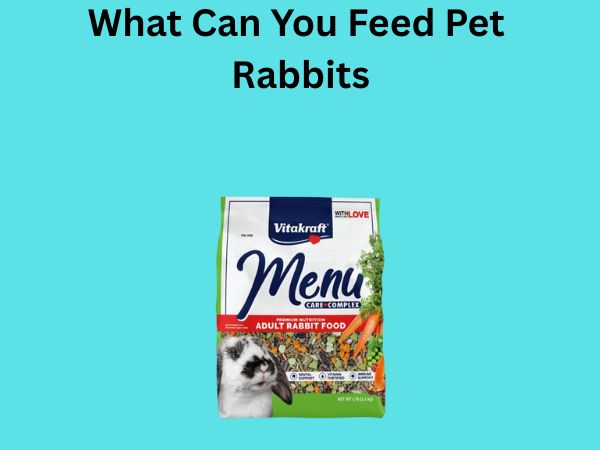
Rabbit Pellets: How Much and Which Kind?
Pellets get a lot of attention when people talk about rabbit food, but honestly, they’re really the third priority after hay and vegetables. This surprises a lot of new rabbit owners, but it makes sense when you think about it. Pellets are concentrated nutrition, and rabbits don’t need as much as many of us think.
Daily Pellet Portions Based on Rabbit Size
The amount of pellets your rabbit needs depends primarily on their body weight:
- Small rabbits (under 5 pounds): About 1/4 cup of pellets per day
- Medium rabbits (5-8 pounds): About 1/2 cup of pellets per day
- Large rabbits (over 8 pounds): About 3/4 cup of pellets per day
Remember, these are guidelines. Every rabbit is unique, and you should monitor your rabbit’s weight and adjust portions accordingly. Your rabbit shouldn’t be overweight or underweight; you should be able to feel their ribs when you gently press their sides without seeing them prominently.
Choosing High-Quality Pellets
When selecting pellets for your rabbit, quality matters tremendously. Look for pellets that meet these criteria:
- Made primarily from hay or grass (the first ingredient should be timothy hay or alfalfa for young rabbits)
- At least 18% fiber content
- No more than 16% protein for adult rabbits
- No artificial colors, flavors, or preservatives
- Free from nuts, seeds, and dried fruits mixed in
Those colorful mixed pellets with bits of dried fruit and vegetables might look appealing to us, but they’re actually not ideal for rabbits. They encourage selective eating, are often higher in sugar, and can contribute to weight gain.
Treats: Making Them Special and Safe
Everyone loves giving their pets treats, and rabbits certainly enjoy them too. However, treats should be exactly that: occasional indulgences, not regular portions of your rabbit’s diet. I’d recommend limiting treats to no more than 10% of your rabbit’s daily caloric intake.
Safe Treat Options for Your Rabbit
Here are treats your rabbit can safely enjoy:
- Small pieces of apple (without seeds)
- Banana (very small amounts due to high sugar)
- Watermelon or cantaloupe (occasional treats)
- Strawberries
- Blueberries
- Small pieces of carrot (yes, carrots are treats due to sugar content)
- Unsweetened oat treats made specifically for rabbits
- Plain, unsalted crackers made from hay (very occasionally)
Treats to Avoid
Not all treats that are marketed for rabbits are actually good for them. Stay away from:
- Commercial treats with honey or molasses
- Yogurt drops
- Nuts of any kind
- Seeds
- Anything with artificial sweeteners
- Human foods like cookies, crackers with salt, or processed snacks
Fresh Water: An Often Overlooked Essential
While we’re talking about what to feed your rabbit, we can’t forget about water. Fresh, clean water is absolutely critical for your rabbit’s health. Some rabbits prefer drinking from a water bowl, while others prefer a water bottle with a metal ball bearing. I recommend offering both options and seeing what your rabbit prefers.
Change your rabbit’s water at least once daily, more often if you notice it getting dirty. In hot weather, change it even more frequently. Some people add a tiny bit of apple cider vinegar to the water to prevent bacterial growth, though this is optional.
Daily Feeding Schedule and Routine
Having a consistent feeding schedule helps your rabbit maintain healthy digestion and creates a routine they can depend on. Here’s what a typical day might look like:
Morning Feeding
Start your day by offering fresh hay and vegetables. This is when I like to give my rabbit their vegetable portions for the day. Remove any leftover vegetables after a few hours so they don’t spoil and cause digestive issues.
Afternoon Check-In
During the afternoon, check on your rabbit’s water and ensure they still have fresh hay available. This is a good time to observe their eating habits and overall behavior.
Evening Feeding
Offer pellets and additional hay in the evening. Some rabbit owners like to give pellets in the morning and evening, dividing the daily portion. This helps prevent selective eating and ensures steady nutrition throughout the day.
Understanding Special Dietary Needs
Different life stages and health conditions require dietary adjustments. Your rabbit’s nutritional needs aren’t static; they change throughout their life.
Young Rabbits and Kits
Baby rabbits have different dietary requirements than adults. Kits under 3 months old should be nursing from their mother if possible. Once they’re weaned, they can eat unlimited alfalfa hay and pellets formulated for young rabbits. You can gradually introduce vegetables after they’re about 3 months old, starting with very small amounts of just one type at a time.
Senior Rabbits
As your rabbit ages (typically after age 6 or 7), they may need dietary adjustments. Senior rabbits often benefit from softer hay, as their teeth might become more sensitive. They might also need fewer pellets if they become less active, but hay should still remain the primary food source.
Rabbits with Digestive Issues
If your rabbit experiences digestive problems, dietary management becomes even more critical. Working with a veterinarian who specializes in exotic pets is essential. They might recommend increasing hay intake, removing certain vegetables temporarily, or adjusting pellet types.
Signs Your Rabbit Is Eating Well
How do you know if your feeding plan is working? Look for these positive signs:
- Regular, dark pellet-shaped droppings throughout the day
- A healthy body weight (not too thin, not overweight)
- Shiny, soft fur coat
- Energy and playfulness
- Teeth that appear to be wearing down appropriately
- Good appetite and interest in food
- No signs of digestive upset or loose stools
If you notice changes in your rabbit’s eating habits, droppings, or behavior, contact your veterinarian. Rabbits are masters at hiding illness, so any change is worth investigating.
Common Feeding Mistakes to Avoid
Mistake #1: Not Providing Enough Hay
This is the most common mistake I see. People assume hay is just filler and focus on vegetables and pellets instead. Your rabbit genuinely needs that volume of hay for their digestive system to function properly.
Mistake #2: Offering the Same Vegetables Every Day
While it’s convenient to stick with the same greens, variety actually provides your rabbit with different nutrient profiles. Rotate your vegetable selections throughout the week.
Mistake #3: Overfeeding Pellets
Many commercial rabbit foods recommend portions that are actually too large. Weight gain is a serious problem in pet rabbits, leading to various health issues. Stick with the portions I mentioned earlier and adjust based on your individual rabbit.
Mistake #4: Sudden Diet Changes
Rabbits have sensitive digest