
How Often Should I Feed My Pet Rats? Guide
Your pet rats are little guys with big appetites! Generally, you should feed your pet rats once or twice a day. This feeding schedule helps maintain their health and energy levels. It’s important to provide a balanced diet during these meals to ensure they get all the nutrients they need. We found that consistent mealtimes make them feel secure.
Understanding the best feeding habits for your rats involves more than just timing. It’s about providing the right type and amount of food. Factors like your rat’s age, activity level, and any health conditions can influence their dietary needs. Research shows that proper nutrition is key to their well-being. We want our little friends to live long, happy lives.
TL;DR:
- Feed pet rats once or twice a day.
- Provide a balanced diet at each meal.
- Consider your rat’s age and health.
- Consistency is important for their routine.
- Good nutrition leads to a happy, healthy rat.
Let’s walk through exactly how often you should be feeding your beloved furry friends to keep them happy and healthy!
Establishing Your Pet Rat’s Mealtime Routine
So, you’re wondering about feeding your tiny companions. How often should you put food in those little bowls? Most pet rat owners find success feeding their rats once or twice a day. This consistent schedule helps them feel secure. It mimics their natural foraging behaviors. We found that predictable meal times are key for their well-being.
Why Once or Twice a Day?
Rats are crepuscular, meaning they are most active at dawn and dusk. Offering food during these times aligns with their natural rhythms. This can lead to happier, less stressed rats. It also helps you manage their intake more effectively. You can easily monitor how much they eat and adjust as needed. Many rat experts agree this approach is best (ASPCA).
Age Matters: Feeding Pups vs. Adults
Just like us, baby rats have different needs than grown-up rats. Young pups, generally under six months, have higher metabolic rates. They are growing rapidly and need more frequent access to food. Some owners choose to leave a small amount of food available to pups at all times. They are like little growing machines!
Once your rats reach adulthood, you can transition to the twice-a-day feeding schedule. This is usually around six months of age. Adult rats benefit from structured meals. It helps prevent overeating and keeps their weight in a healthy range. We found that by 10 months, most rats are considered seniors and may need adjustments.
Feeding Senior Rats
As your rats get older, their metabolism slows down. They might become less active too. You may need to adjust their diet. Some senior rats do well with slightly smaller portions. Others might benefit from more frequent, smaller meals. Watch your senior rat closely. Are they losing weight? Are they still enjoying their food? These are important clues. Always consult your vet for personalized advice for your senior pet.
What to Feed Your Rats: The Basics
The “how often” is important, but “what” you feed is just as vital. A balanced diet is the cornerstone of good health for your pet rats. They are omnivores with specific nutritional requirements. Offering a variety ensures they get all the vitamins and minerals they need. Research indicates a varied diet can prevent certain health issues (PubMed Central).
The Ideal Rat Food Mix
The best approach is usually a high-quality commercial rat food mix. Look for one that is specifically formulated for rats. This provides a complete base diet. Think of it as their daily multivitamin. These mixes are designed to offer a good balance of protein, fats, and carbohydrates. They are often fortified with essential vitamins and minerals.
Supplementing with Fresh Foods
While commercial food is great, fresh foods add excitement and nutrients! You can offer small amounts of fresh fruits and vegetables as treats. Many rats love cooked pasta, rice, or small pieces of cooked chicken. Always research what’s safe before offering new foods. Avoid anything sugary, salty, or fatty. We found that a tiny bit of cooked broccoli is usually a hit!
Foods to Avoid
Some foods are simply not good for your little friends. You should steer clear of citrus fruits for male rats, as they contain d-limonene. This can potentially lead to health issues. Raw beans, raw sweet potato, and green potato skins can be toxic. Also, avoid anything with excessive sugar or salt. It’s like giving your rat a tiny stomach ache!
| Safe Foods (Offer in Moderation) | Risky or Avoidable Foods |
|---|---|
| Cooked grains (oats, rice, pasta) | Citrus fruits (for males) |
| Cooked lean meats (chicken, turkey) | Raw beans, raw sweet potato |
| Most fruits (except citrus for males) | Green potato skins, avocado |
| Most vegetables (except green potato skins) | Sugary snacks, salty foods |
| Small amounts of nuts (unsalted) | Chocolate, caffeine |
Tips for Successful Feeding
Setting up a feeding routine can be a fun bonding experience. It helps build trust between you and your rats. Pay attention to their cues. Are they finishing their food quickly? Are they leaving a lot behind? These signs can tell you a lot about their appetite and needs.
Portion Control: How Much is Enough?
The amount of food your rat needs varies. A general guideline is about 1-2 tablespoons of their dry mix per rat per day. Fresh food additions should be small treats. They shouldn’t make up a large portion of the diet. Overfeeding can lead to obesity, which is a common health problem in pet rats. We found that starting with a standard amount and observing is the best method.
Creating a Positive Feeding Environment
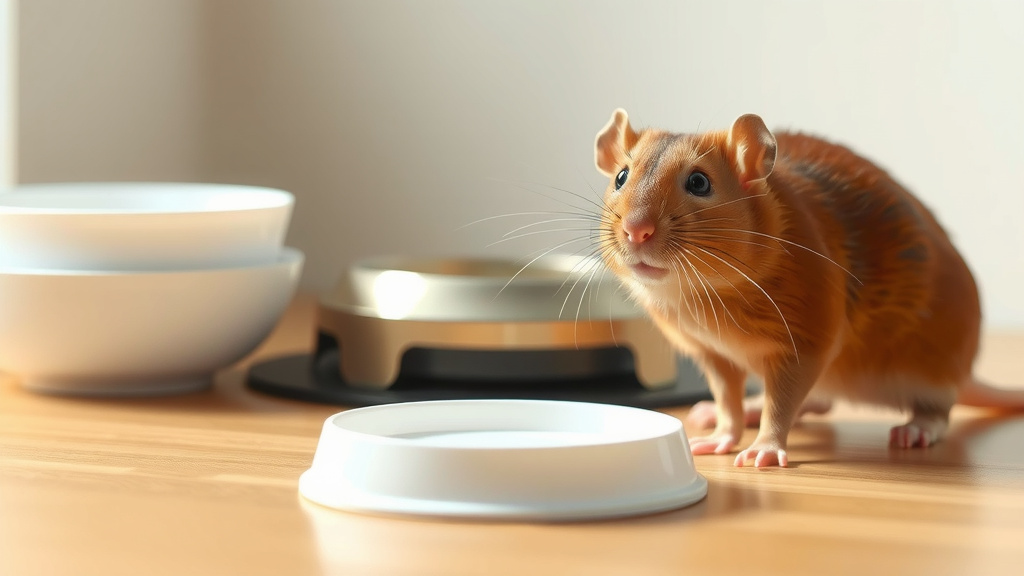
Make mealtime a pleasant experience. Use clean food bowls. Place them in a quiet area where your rats feel safe. Avoid startling them during feeding. Some owners like to scatter food for enrichment. This encourages natural foraging behaviors. It can keep their minds active and engaged. We found that scattering helps prevent boredom.
Hydration is Key!
Don’t forget about water! Your rats need constant access to fresh, clean water. A sipper bottle is usually the best method. Check the nozzle daily to ensure it’s working properly. Rats drink quite a bit, so make sure their bottle is always full. Dehydration can quickly lead to serious health issues. Always have water available, not just at mealtimes.
A Quick Feeding Checklist:
- Feed adult rats 1-2 times daily.
- Offer a high-quality commercial rat food.
- Supplement with small amounts of safe fresh foods.
- Provide constant access to fresh water.
- Adjust portions based on your rat’s age and activity.
- Observe your rat’s eating habits for any changes.
Conclusion
You’ve learned that a consistent feeding schedule is key to your pet rats’ happiness. Most adult rats do best with once or twice-daily meals. Remember to offer a high-quality commercial rat food as the base of their diet. Supplementing with safe, fresh foods adds variety and important nutrients. Always ensure they have constant access to fresh water. By observing your rats’ eating habits, you can easily adjust portions and ensure they’re thriving. Your commitment to their diet keeps them healthy and energetic!
Frequently Asked Questions
How can I tell if I’m feeding my rat the right amount?
Watch your rat’s weight and energy levels. If they seem too thin or are constantly hungry, you might need to slightly increase their portions. If they are gaining too much weight or seem lethargized, consider reducing their food intake a bit. Adjustments should be gradual.
Is it okay to give my rats table scraps?
You should be very cautious with table scraps. While small amounts of plain cooked grains or lean meats can be fine, most human foods are too salty, sugary, or fatty for rats. It’s best to stick to foods specifically recommended as safe for them.
What should I do if my rat stops eating?
A sudden loss of appetite in rats is a serious concern and often indicates an underlying health issue. You should contact your veterinarian immediately. Don’t wait to see if they start eating again on their own.
Can I feed my rats in the morning or evening?
Since rats are crepuscular, feeding them in the early morning or late evening aligns with their natural active times. Many owners find feeding once in the morning and once in the evening works very well. Consistency is more important than the exact time.
How much fresh water do my rats need daily?
Rats need constant access to fresh water. They can drink surprisingly large amounts, so you must check their sipper bottle daily to ensure it’s full and the nozzle isn’t blocked. Dehydration can happen quickly and is very dangerous for them.