How Often Should I Feed My Pet Bird? Guide
So, you’re wondering, “How often should I feed my pet bird?” The general rule of thumb is to offer fresh food and clean water at least twice a day. Many owners find a morning and an evening feeding works best for their feathered friends. We found that consistent feeding times help birds feel secure and can even reduce stress.
Beyond the basic schedule, what and how much you feed is just as important. Your bird’s diet should be varied and include species-appropriate foods. It’s not just about filling the bowl; it’s about providing balanced nutrition for a happy and healthy pet. We learned that a good diet is key to a bird’s energy levels and overall well-being.
- Feed fresh food and water at least twice daily.
- Morning and evening feedings are common.
- Offer a varied diet suited to your bird’s species.
- Consistent schedules help birds feel secure.
- Nutrition is key for a bird’s health.
Let’s walk through the specifics of feeding your bird to ensure they’re getting everything they need. We’ll cover everything from fresh fruits and veggies to pellet diets and water!
Understanding Your Bird’s Feeding Schedule
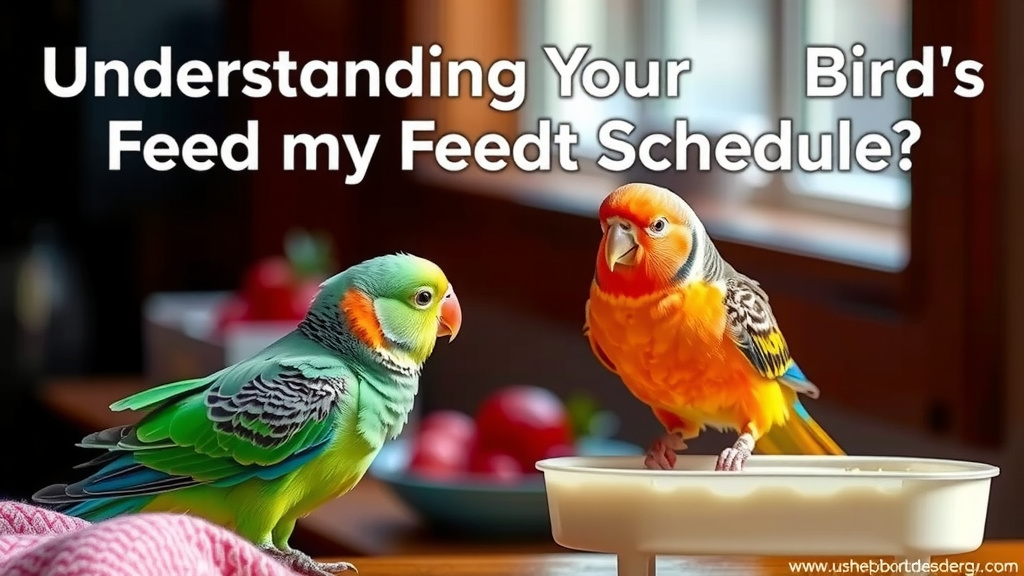
When it comes to feeding your feathered friend, consistency is key. Many bird owners find that offering food twice a day works best. This typically means a meal in the morning and another in the evening. This routine mimics their natural foraging habits and helps them feel secure. We found that predictable feeding times can reduce anxiety and behavioral issues in many bird species.
Think of it like this: you wouldn’t want your own meals to be completely random, right? Your bird thrives on a sense of order. A consistent schedule helps them regulate their metabolism and digestion. It also makes it easier for you to monitor their intake. Are they eating well? Is their appetite normal? These are important questions to answer.
How Much Food Does Your Bird Need?
Determining the right amount of food is a balancing act. It depends heavily on your bird’s species, size, age, and activity level. A tiny finch needs far less than a large macaw. Overfeeding can lead to obesity and related health problems. Underfeeding, of course, can cause malnutrition and weakness.
As a general guideline, aim to provide about 10-15% of your bird’s body weight in food daily. This can be a mix of pellets, fresh foods, and occasional seeds. You’ll want to observe your bird closely. Are they finishing their food too quickly? Or is there always a large amount left over after several hours?
Adjusting Portions Over Time
Don’t set your bird’s food portions in stone! Their nutritional needs can change. Younger birds may need more calories for growth. Older birds might need a more easily digestible diet. Molting periods also require extra nutrients for feather regrowth. You might even notice changes based on the season or your bird’s overall activity.
We found that adjusting portions gradually is the best approach. If you’re unsure, it’s always a good idea to consult your avian veterinarian. They can help you tailor a feeding plan that’s perfect for your specific bird. Your vet is your best resource for personalized advice.
The Importance of a Varied Diet
While we often associate birds with seeds, a seed-only diet is not enough for most pet birds. Seeds are high in fat and lack essential vitamins and minerals. A truly healthy diet is a varied one. Think of it as a healthy human diet—you wouldn’t just eat pizza every day, would you?
A good diet supports everything from a shiny feather coat to strong immune function. It directly impacts their energy levels and overall mood. We found that birds on a balanced diet tend to be more active and engaged. They are more likely to exhibit natural behaviors and have fewer health complaints.
Pellets: The Nutritional Foundation
Many avian veterinarians recommend a diet based on high-quality bird pellets. These are formulated to provide a complete and balanced nutritional profile. They are a convenient way to ensure your bird is getting essential vitamins, minerals, and proteins. Pellets should ideally make up about 60-80% of your bird’s daily intake.
When choosing pellets, look for reputable brands specifically designed for your bird’s species. The color and size of the pellets can also be indicators of their quality. Avoid pellets with artificial colors or excessive sugar. We found that transitioning birds to pellets can sometimes be a challenge, but it’s well worth the effort.
Fresh Foods: Fruits and Vegetables
The remaining portion of your bird’s diet should consist of fresh foods. This is where you can really add color and variety! Offer a wide range of bird-safe fruits and vegetables. Aim for a mix of leafy greens, root vegetables, and colorful fruits. These provide essential vitamins, minerals, and fiber.
Some excellent choices include kale, spinach, carrots, bell peppers, apples (seeds removed), berries, and melon. Introduce new foods slowly and observe your bird’s reaction. Always wash fruits and vegetables thoroughly before serving. And remember to remove any uneaten fresh food within a few hours to prevent spoilage. We found that offering a variety of textures can also encourage picky eaters.
Foods to Avoid
Just as important as knowing what to feed is knowing what to avoid. Some common human foods are toxic to birds. This includes avocados, chocolate, caffeine, and onions. Salty, fatty, or sugary processed foods should also be avoided. Garlic can also be harmful to your bird’s digestive system.
It’s easy to want to share our food with our pets, but it’s crucial to resist this temptation when it comes to dangerous items. Always do your research if you’re unsure about a specific food. Many common houseplants can also be toxic, so keep your bird away from them.
Water: The Essential Ingredient
Fresh, clean water is absolutely vital. Birds need constant access to water for drinking, bathing, and regulating their body temperature. The water dish should be cleaned and refilled at least once a day, or more often if it becomes soiled. Birds can be messy drinkers and bathers!
The type of water you offer also matters. Tap water is generally fine for most birds, but if your local tap water has a high chlorine or fluoride content, consider using filtered or bottled water. We found that some birds enjoy bathing in their drinking water, so providing a separate bathing dish can be a good idea.
A Sample Daily Feeding Checklist
Here’s a simple checklist to help you keep track:
- Offer a measured portion of high-quality pellets.
- Provide a serving of fresh, bird-safe vegetables.
- Include a small amount of fresh, bird-safe fruit.
- Ensure a constant supply of fresh, clean drinking water.
- Remove all uneaten food and clean dishes daily.
- Monitor your bird’s eating habits for any changes.
By following these guidelines, you’ll be well on your way to providing your pet bird with a nutritious and satisfying diet. Remember, consistent care and attention to their specific needs will lead to a happy and healthy companion.
Conclusion
Feeding your pet bird consistently and with a balanced diet is key to their well-being. Remember to offer fresh food and clean water at least twice daily, adjusting portions based on your bird’s unique needs. A varied diet, rich in pellets and fresh bird-safe produce, supports a shiny coat and strong immunity. By providing this consistent care, you’re helping your feathered friend thrive. Your next step is to observe your bird’s current eating habits and make any necessary adjustments to their schedule and diet today.
Frequently Asked Questions
Can I leave bird food out all day?
Generally, it’s best to offer fresh food twice a day rather than leaving it out constantly. This helps prevent spoilage and allows you to monitor how much your bird is actually eating. Some very small birds like finches might be an exception, but always check with your vet.
How do I transition my bird to a new food?
Transitioning can take time and patience. Try mixing a small amount of the new food with their current food, gradually increasing the ratio over several weeks. Some birds respond well to new foods offered when they are most active, like in the morning.
What are the signs my bird isn’t eating enough?
Watch for a decrease in energy, dull feathers, or weight loss. If your bird is suddenly leaving a lot of food uneaten, or if their droppings change significantly, it could indicate a problem. Always consult your avian veterinarian if you suspect your bird isn’t eating enough.
Is it okay to feed my bird table scraps?
You should avoid feeding most human table scraps. Many common foods are toxic to birds, such as avocado, chocolate, and onions. Even “safe” foods can be too salty or fatty for your bird. Stick to a diet specifically formulated for pet birds and bird-safe fresh foods.
Should I offer seeds as a treat?
Seeds can be offered as a small treat or supplement, but they shouldn’t form the main part of your bird’s diet. They are high in fat and lack essential nutrients. Think of seeds as you would candy for a child – a small amount occasionally is fine, but not as a meal replacement.