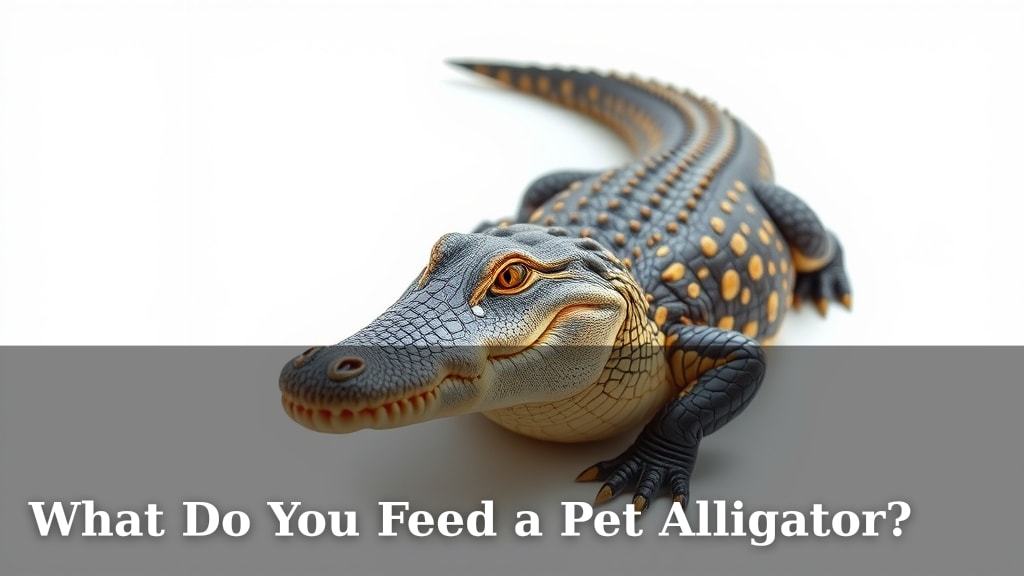
What Do You Feed a Pet Alligator?
Feeding your pet alligator involves providing a diet rich in whole prey items. These can include fish, rodents, and birds. It’s essential to mimic their natural diet as closely as possible to ensure they get the proper nutrition they need to thrive. Think of it as giving them a healthy, balanced meal, just like you would for any other pet.
The specific food choices depend on your alligator’s age, size, and species. Younger alligators might eat smaller prey, while larger ones can handle bigger meals. Many experts recommend a varied diet to cover all their nutritional bases. Ensuring you have the right food prevents health issues down the line.
- Feed whole prey like fish, rodents, and birds.
- Match food size to your alligator’s age and size.
- Variety is key for balanced nutrition.
- Consult experts for specific dietary needs.
Now, let’s get into the specifics of what exactly you should be feeding your scaly friend and how to do it safely.
So, you’ve got a pet alligator and you’re wondering what’s for dinner? It’s a big question, and the answer might surprise you with its simplicity. Your alligator’s diet is all about mimicking what they’d eat in the wild, focusing on whole prey. This means giving them foods that are as close to a natural meal as possible. We’re talking about more than just kibble here!
Feeding Your Alligator: A Closer Look
What do you feed a pet alligator? You feed them a diet of whole prey. This diet should provide all the essential nutrients they need to stay healthy. Think of it as building a balanced meal plan for your scaly friend. It ensures they get the right vitamins and minerals.
The Importance of Whole Prey
Why whole prey? Because it’s the most natural way for alligators to eat. Whole prey includes things like fish, rodents, and birds. These foods offer a complete nutritional package. Bones, organs, and fur or feathers all contribute to a healthy diet. Many reptile experts suggest whole prey is best (Reptile Hobbyist Magazine).
Feeding whole prey ensures your alligator gets calcium from bones. It also provides organs for essential vitamins. Even fur or feathers can be beneficial. This natural approach helps prevent common health problems in captive reptiles. It’s a far cry from processed foods.
Matching Food to Your Alligator
The size and type of food you offer will change as your alligator grows. A baby alligator needs much smaller meals than an adult. A common guideline is to feed prey items about the same size as the alligator’s head. This prevents choking hazards.
For very young alligators, this might mean small guppies or pinky mice. As they get bigger, you can move up to larger fish or adult mice. Larger species might eventually eat rabbits or whole chickens. Always observe your alligator to gauge what they can handle safely.
What to Feed Your Alligator: Specifics
Let’s break down the best food options for your alligator. Variety is your best friend here. Offering a range of prey keeps things interesting and ensures a broad spectrum of nutrients. You don’t want your alligator to get bored with dinner!
Fish Options
Fish is a staple for many alligator diets. You can feed a variety of whole fish. Good options include guppies, goldfish, tilapia, and trout. Make sure the fish are healthy and sourced from a clean environment. Avoid fish that are high in thiaminase, an enzyme that can deplete vitamin B1. Some common fish like carp can be high in thiaminase. Research your fish options carefully.
Feeding frozen and thawed fish is generally recommended. This kills off potential parasites. Always thaw fish completely before offering it to your alligator. Never feed raw or undercooked fish. Ensuring the fish is clean is very important for your pet’s health.
Rodents and Rabbits
Rodents are another excellent food source. Mice and rats are common choices for pet alligators. The size of the rodent should match your alligator’s size. You can find pre-killed rodents from reputable pet supply stores. This is often the safest way to obtain them.
For larger alligators, rabbits can be a good option. Rabbits offer a good source of protein and nutrients. As with fish, ensure rodents and rabbits are healthy. They should be humanely sourced and killed. Again, feeding frozen and thawed is a good practice to ensure safety. This helps prevent the spread of disease.
Birds and Other Prey
Whole birds like quail or chicks can also be part of the diet. These offer a different nutritional profile. They can be a good supplement to fish and rodents. For very large alligators, larger birds might be considered. Always ensure the birds are disease-free.
Insects might be appropriate for very small, young alligators. Things like large crickets or roaches could be offered. However, insects should not be the primary food source. They lack the necessary calcium and fat content. Insects are more of a treat or a supplement.
Commercial Diets (Use with Caution)
While whole prey is ideal, some commercial diets exist. These are often formulated specifically for crocodilians. However, we found that these should generally be used as a supplement, not a staple. They may not provide all the nutrients in the correct balance. Always check the ingredients and consult with a veterinarian. A balanced diet is key for long-term health. Relying solely on commercial foods might lead to deficiencies.
Frequency and Portion Size: How Much and How Often?
Feeding frequency depends on your alligator’s age and metabolism. Younger, growing alligators need to eat more often. Hatchlings and juveniles may eat every other day. Adult alligators can eat less frequently, perhaps once or twice a week.
Portion size is critical. Overfeeding can lead to obesity and related health issues. Underfeeding can cause malnutrition. A good rule of thumb is to feed an amount that your alligator will consume in a reasonable time, say 10-15 minutes. Remove any uneaten food promptly to maintain hygiene. Observe your alligator’s body condition to adjust portions.
Supplementation: Is It Necessary?
Sometimes, supplementation is recommended. This is especially true if your alligator’s diet isn’t varied enough. Calcium and vitamin D3 supplements are often suggested. These can be dusted onto the prey items before feeding. Many reptile veterinarians recommend this practice (Journal of Herpetological Medicine).
However, over-supplementation can be harmful. Too much calcium can cause kidney problems. Too much vitamin D3 can lead to toxicity. Always follow the advice of a qualified reptile veterinarian. They can assess your alligator’s diet and recommend specific supplements if needed. Don’t guess when it comes to supplements.
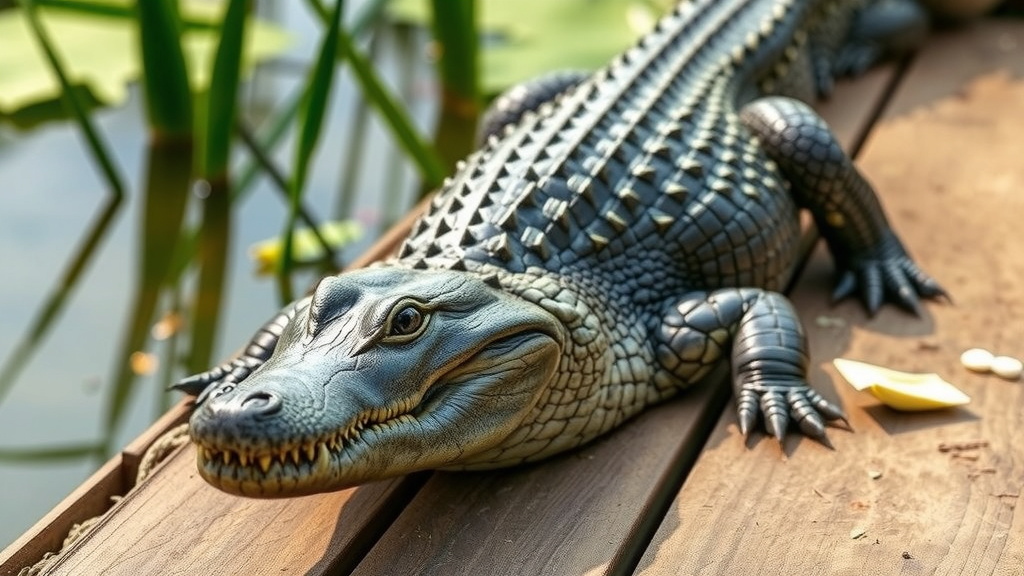
What NOT to Feed Your Pet Alligator
There are definite no-gos when it comes to feeding your alligator. Never feed them processed human foods. Things like hot dogs, deli meats, or cooked leftovers are extremely unhealthy. They lack proper nutrients and can cause digestive upset.
Avoid feeding raw meat from mammals that aren’t specifically intended for reptiles. This can carry dangerous bacteria. Also, never feed live prey that could harm your alligator, such as large rodents that might bite back. Stick to safe, appropriate food items. Your alligator’s safety is always the top priority.
Common Feeding Mistakes to Avoid
One common mistake is feeding too little variety. Relying on just one type of food can lead to nutritional imbalances. Another mistake is feeding food that is too large or too small. This can pose choking risks or lead to refusal to eat.
Improper thawing of frozen prey is also a problem. This can harbor bacteria. Finally, not cleaning up uneaten food can create a breeding ground for germs. A clean environment is just as important as a good diet.
A Sample Feeding Checklist
- Offer whole fish (guppies, tilapia, trout).
- Include whole rodents (mice, rats) sized appropriately.
- Supplement with whole birds (quail, chicks) occasionally.
- Ensure all food is thawed properly if frozen.
- Avoid human foods and processed items.
- Consult a vet for specific dietary needs.
Conclusion
Feeding your pet alligator is a rewarding experience when done right. You’ve learned that a diet of whole prey is essential for their health, mimicking their natural eating habits. Remember to match food size to your alligator’s growth and offer a varied diet of fish, rodents, and birds for balanced nutrition. Avoid human foods and processed options to keep your scaly friend healthy.
Your alligator’s well-being depends on your commitment to providing the correct diet. If you’re unsure about specific food choices or supplements, always consult a qualified reptile veterinarian. They can offer personalized guidance for your unique pet. Start by reviewing your current feeding plan and making adjustments based on this information to ensure your alligator thrives.
Frequently Asked Questions
How often should I feed my pet alligator?
Feeding frequency depends on your alligator’s age. Younger, growing alligators typically eat every other day. Adult alligators can be fed once or twice a week. It’s best to observe your alligator’s condition and consult a vet to determine the ideal schedule for your specific pet.
Can I feed my alligator frozen food?
Yes, feeding frozen and then thawed prey is a recommended practice. Freezing helps kill potential parasites and bacteria, making the food safer for your alligator. Always thaw food completely before offering it. Never feed raw or undercooked food items.
What are some common signs of a poorly fed alligator?
Signs of malnutrition include lethargy, poor skin quality, and a weakened immune system. Conversely, overfeeding can lead to obesity, which brings its own set of health problems like organ strain. Monitoring your alligator’s energy levels and body condition is key.
Is it safe to feed my alligator feeder fish from a pet store?
You can feed feeder fish, but it’s important to choose them carefully. Avoid fish known to be high in thiaminase, which can deplete vitamin B1. Ensure the fish come from a reputable source and are healthy. Thawing them before feeding is also advisable.
Can I feed my alligator insects?
Insects might be appropriate as a very occasional treat or supplement for very young, small alligators. However, they generally lack the necessary calcium and fat content to be a primary food source. Relying on insects alone will not provide a balanced diet for your alligator.