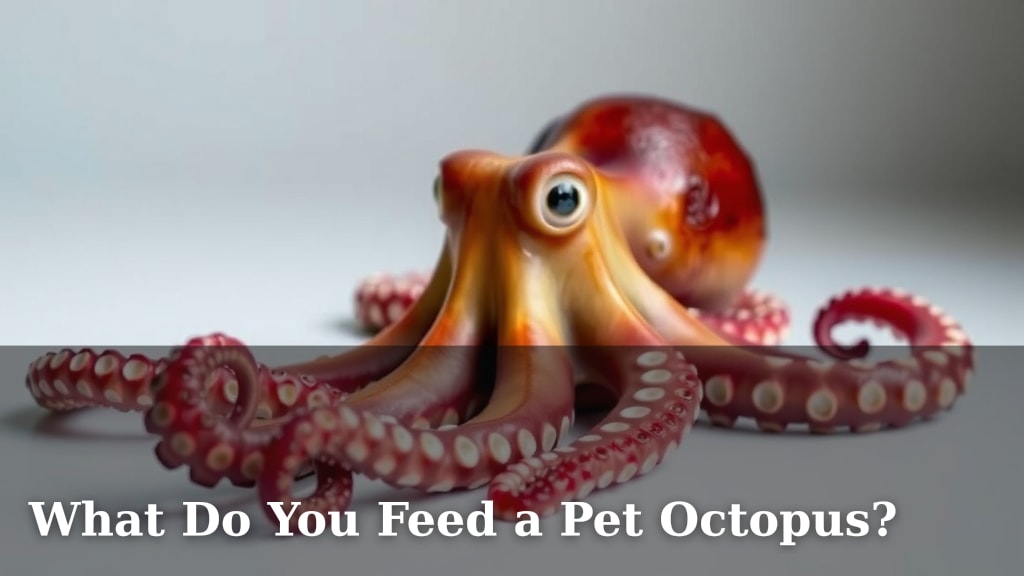
What Do You Feed a Pet Octopus?
Feeding your pet octopus is actually quite straightforward. You should primarily feed them a diet of **fresh, raw seafood**, such as shrimp, clams, crabs, and small fish. Avoid anything that isn’t fresh, as octopuses have very sensitive digestive systems and can get sick easily from spoiled food.
Ensuring your octopus gets a **varied and nutritious diet** is key to their health and happiness. Think of it like offering them a balanced meal. While seafood is the staple, sometimes offering different types of protein can be beneficial. We found that a diverse diet can really make a difference in their energy levels and overall well-being.
- Feed raw, fresh seafood like shrimp, clams, and fish.
- Offer variety to ensure a balanced diet.
- Avoid all processed or cooked foods.
- Feed appropriate portion sizes based on octopus size.
- Remove uneaten food promptly to maintain water quality.
Below, we’ll walk you through the best food options and important feeding tips for your intelligent cephalopod friend.
What Should Your Pet Octopus Eat? A Seafood Lover’s Guide
Choosing the right food for your pet octopus is incredibly important. Their health and well-being depend heavily on what you put into their tank. We’ve learned that sticking to a few key principles makes all the difference.
The Octopus Diet: Fresh and Raw is Best
Your octopus’s main diet should consist of fresh, raw seafood. Think of it as their natural food source in the wild. This includes items like shrimp, clams, mussels, small crabs, and even small fish.
It’s vital that this seafood is high-quality and completely fresh. Octopuses have very sensitive digestive systems. Spoiled or low-quality food can easily lead to serious health problems. Many sources suggest feeding live prey initially, but this can be difficult to manage and may introduce parasites or diseases (Aquarium Science and Technology).
You should never feed cooked or processed foods. These lack the necessary nutrients and can be hard for your octopus to digest. Even human-grade seafood meant for consumption might have been treated with preservatives that are harmful to your pet.
Variety is the Spice of Cephalopod Life
While seafood is the staple, offering a variety of seafood is beneficial. Rotating between different types of shrimp, different kinds of clams, or alternating between fish and crabs can ensure your octopus receives a broad spectrum of nutrients. This mimics the diverse diet they would have in their natural habitat.
Research indicates that a varied diet can lead to better overall health and a more robust immune system for your octopus (Journal of Invertebrate Pathology). It helps prevent nutritional deficiencies that can arise from an overly monotonous diet.
Consider the size of your octopus when choosing food items. Smaller octopuses can eat smaller prey. Larger specimens can handle larger pieces of fish or whole shrimp. You want them to be able to consume their meal within a reasonable time frame.
Feeding Frequency and Portion Control
How often should you feed your octopus? Generally, adult octopuses do well with feeding every day or every other day. Younger, growing octopuses might benefit from slightly more frequent meals.
The amount you feed is also key. A good rule of thumb is to offer an amount that your octopus can consume completely within 20-30 minutes. Overfeeding can lead to uneaten food decaying in the tank, which pollutes the water. This is a major concern for water quality.
We found that it’s better to slightly underfeed than overfeed. You can always offer a little more next time if they seem hungry. Observe your octopus’s behavior and body condition. A healthy octopus should have a good body mass and be active.
Preparing and Offering Food
When you bring home fresh seafood, you’ll want to prepare it properly. Rinse all seafood thoroughly under cool, fresh water. This helps remove any potential surface contaminants. Then, cut larger pieces into manageable bite-sized portions for your octopus.
Using tongs or feeding sticks is the best way to offer food. This helps keep your hands out of the tank and reduces the risk of startling your octopus. It also allows you to observe how eagerly they take the food.
Remove uneaten food promptly. This is a critical step for maintaining a clean and healthy aquarium environment. If your octopus doesn’t finish its meal within about 30 minutes, remove the leftovers. You can try offering it again later, or simply wait until the next feeding time.
What to Avoid Feeding Your Octopus
There are several things you absolutely must avoid when feeding your pet octopus. The most important rule is: nothing processed. This includes things like deli meats, hot dogs, or any kind of pre-cooked seafood.
Also, steer clear of any food that isn’t specifically for marine aquariums or directly sourced as fresh seafood. Even feeder fish from a pet store can carry diseases or parasites if not properly quarantined. It’s safer to use human-grade seafood from a reputable fish market.
Some keepers have reported issues with certain types of shellfish, like scallops, if they aren’t extremely fresh. It’s always best to stick with widely accepted and safe options. If in doubt, consult with experienced octopus keepers or a veterinarian specializing in aquatic animals.
A Sample Feeding Plan for Your Octopus
Here’s a look at a potential weekly feeding schedule. Remember, this is just a guideline. You’ll need to adjust it based on your octopus’s species, age, and individual preferences.
| Day | Morning/Afternoon | Evening |
|---|---|---|
| Monday | Nothing | Raw Shrimp (1-2 pieces) |
| Tuesday | Raw Clams (1-2 pieces) | Nothing |
| Wednesday | Nothing | Small, whole crab (if size appropriate) |
| Thursday | Raw Mussels (1-2 pieces) | Nothing |
| Friday | Nothing | Raw Shrimp (1-2 pieces) |
| Saturday | Small, whole fish (like silversides, if size appropriate) | Nothing |
| Sunday | Nothing | Raw Clams or Shrimp (1-2 pieces) |
Important Feeding Checklist for Octopus Owners
Keeping track of feeding can seem like a lot at first, but it quickly becomes routine. Here’s a quick checklist to help you stay on track:
- Always use fresh, raw seafood.
- Offer a variety of food types weekly.
- Remove uneaten food promptly.
- Feed appropriate portion sizes.
- Monitor your octopus for appetite changes.
- Avoid all human-prepared or processed foods.
By following these guidelines, you can ensure your intelligent cephalopod friend receives the nutrition it needs to thrive in your care. We found that a happy octopus is often a well-fed octopus!
Conclusion
Feeding your pet octopus is all about providing them with a diet that mimics their natural environment. Sticking to fresh, raw seafood like shrimp, clams, and small fish is your best bet for a healthy, happy cephalopod. Remember that variety keeps their nutrition balanced, and always remove uneaten food promptly to maintain water quality. Your octopus relies on you for proper nutrition. Continue to observe your pet’s appetite and adjust their meals as needed to ensure they thrive under your care!
Frequently Asked Questions
How much should I feed my pet octopus?
A good rule of thumb is to offer an amount your octopus can eat completely within about 20-30 minutes. It’s better to slightly underfeed than overfeed, as uneaten food can quickly pollute the tank. Monitor your octopus’s body condition and appetite for guidance.
Can I feed my octopus frozen seafood?
While fresh is always best, high-quality frozen seafood that has been thawed properly can be an option. Ensure it’s specifically intended for aquarium use and has no added preservatives or chemicals. Always thaw it completely before feeding and observe your octopus for any adverse reactions.
What are some signs my octopus isn’t eating enough?
You might notice your octopus becoming lethargic, losing body mass, or showing less interest in their surroundings if they aren’t getting enough food. If you observe these signs, try offering slightly larger portions or more frequent meals, while still being mindful of water quality.
Is it safe to feed my octopus feeder fish from a pet store?
It’s generally not recommended to feed feeder fish directly from most pet stores without proper quarantine procedures. These fish can carry diseases or parasites that could harm your octopus. Stick to human-grade seafood from a reputable source for the safest diet.
How do I introduce new foods to my octopus?
When introducing a new food item, offer a small piece first to see how your octopus reacts. Observe if they readily consume it and if there are any signs of digestive upset afterward. If they accept it well, you can gradually incorporate it into their varied diet rotation.