What Do You Feed Pet Monkeys?
Feeding pet monkeys requires a carefully balanced diet that mimics what they eat in the wild. Primarily, their diet should consist of fresh fruits and vegetables, supplemented with specific protein sources and monkey chow. It’s essential to avoid foods that are toxic to primates and ensure a varied intake for complete nutrition.
Understanding the specific dietary needs of your pet monkey is crucial for their health and well-being. Different species have unique nutritional requirements, so what works for one might not be ideal for another. We found that a consistent, diverse diet helps prevent common health issues like vitamin deficiencies and dental problems.
- Monkeys need a diet rich in fresh fruits and vegetables.
- Supplement their diet with protein sources and commercial monkey chow.
- Always research the specific needs of your monkey’s species.
- Avoid foods that are toxic to primates at all costs.
Let’s break down exactly what you should be feeding your pet monkey to keep them happy and healthy.
What to Feed Your Pet Monkey: A Primate’s Plate
So, you’re wondering what’s on the menu for your little primate pal? You’ve come to the right place! Feeding a pet monkey isn’t like feeding your dog or cat. They have specialized needs, much like they would in their natural habitats. We found that a diet mimicking their wild counterparts is the absolute best way to keep them thriving.
The Foundation: Fruits and Vegetables
Think of this as the bulk of their diet. Monkeys are naturally omnivores or herbivores, depending on the species. A wide variety of fresh produce is key. We’re talking about leafy greens, vibrant fruits, and even some root vegetables. This provides essential vitamins, minerals, and fiber.
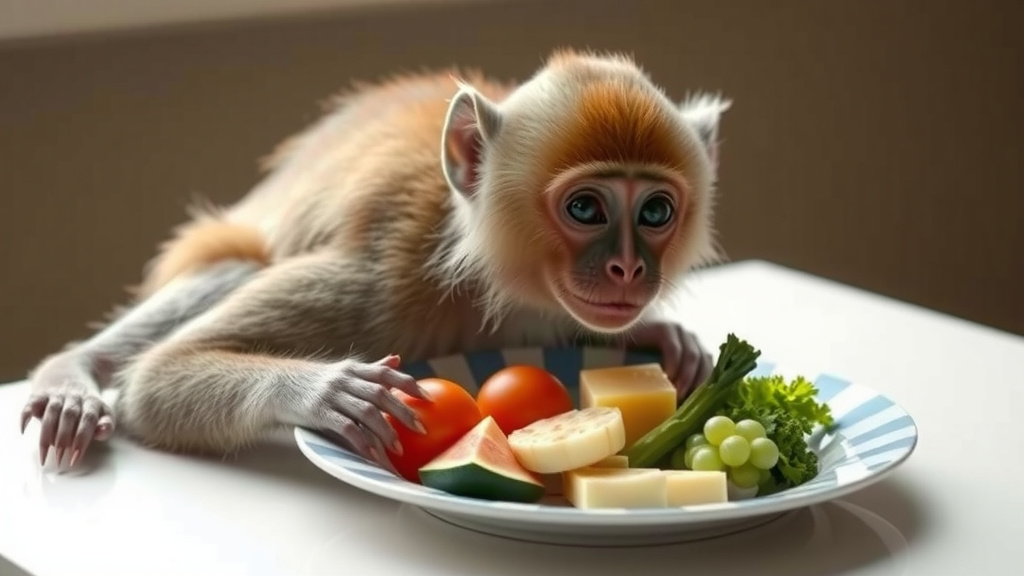
When selecting fruits, aim for variety. Berries, apples (seeds removed, of course!), bananas, melons, and grapes are often well-received. For vegetables, think broccoli, carrots, sweet potatoes, and dark leafy greens like kale or spinach. Many experts suggest offering a rainbow of colors to ensure a broad spectrum of nutrients (USDA).
Important Considerations for Produce
It’s vital to prepare produce properly. Wash everything thoroughly to remove pesticides. Remove seeds from fruits like apples and pears, as some seeds can be toxic. Also, avoid giving them too much of any one thing. Variety is the spice of life, and it’s certainly the key to a balanced monkey diet!
Protein Power: Essential for Muscle and More
Monkeys need protein to build and repair tissues, much like you do. This is where you’ll supplement their plant-based diet. Insects, eggs, and lean meats can be good sources. For many species, insects like crickets or mealworms are a natural and easily digestible protein source.
Cooked chicken or turkey without any seasoning can also be offered in moderation. Hard-boiled eggs are another excellent option. Remember, portion control is crucial here. Too much protein can lead to health issues.
Commercial Monkey Chow: A Nutritional Safety Net
While fresh foods are great, commercial monkey chow is often recommended by veterinarians. These specialized pellets are formulated to provide a complete and balanced nutritional profile. They can help fill any gaps that might occur with a homemade diet. We found that many owners use these as a base and then add fresh foods.
Look for a chow specifically designed for the type of primate you own, if possible. Always follow the feeding guidelines on the packaging. It’s a good idea to discuss this with your exotic veterinarian to find the best brand for your pet.
| Food Group | Examples | Frequency/Notes |
|---|---|---|
| Fruits | Berries, apples, bananas, melon, grapes | Daily, in moderation. Remove seeds. |
| Vegetables | Leafy greens, broccoli, carrots, sweet potato | Daily, a good variety. |
| Protein | Insects, cooked eggs, lean cooked chicken/turkey | Several times a week, in small portions. |
| Commercial Chow | Species-specific monkey biscuits | Daily, as per package directions. |
| Treats | Seeds, nuts (unsalted, small amounts) | Very rarely, as high-fat rewards. |
Foods to Absolutely Avoid
This is incredibly important for your monkey’s safety. Just like chocolate is bad for dogs, certain human foods are toxic to primates. You must be vigilant about what your monkey has access to.
Common culprits include onions, garlic, avocados, and rhubarb. Dairy products are also generally not well-tolerated by most monkeys. Processed foods, salty snacks, and sugary treats are a definite no-go. They offer no nutritional value and can cause serious health problems.
The Danger Zone: What NOT to Feed
Never feed your monkey anything you aren’t 100% sure is safe. When in doubt, leave it out. Some plants can also be toxic, so keep your monkey away from houseplants and garden items unless you’ve thoroughly researched their safety.
Hydration is Key
Clean, fresh water should always be available. Monkeys drink water much like we do. A sipper bottle or a heavy, tip-proof bowl works well. Make sure to clean the water source daily to prevent bacterial growth.
Species-Specific Needs Matter Most
We can’t stress this enough: not all monkeys are created equal when it comes to diet. A marmoset has very different nutritional requirements than a macaque. Some species are more insectivorous (bug-eaters), while others are primarily frugivorous (fruit-eaters) or folivorous (leaf-eaters).
Before bringing a monkey home, do extensive research on the specific species. Consult with exotic veterinarians and experienced primate owners. They can provide tailored dietary recommendations. This one step can prevent a world of health issues down the line.
A Feeding Checklist for Your Primate Pal
To help you stay on track, here’s a quick checklist:
- Offer a wide variety of washed fruits and vegetables daily.
- Include a safe protein source a few times a week.
- Provide a high-quality, species-appropriate commercial monkey chow.
- Ensure fresh, clean water is always accessible.
- Strictly avoid toxic and unhealthy human foods.
- Consult your exotic vet regularly for dietary advice.
Conclusion
Feeding your pet monkey requires careful attention to their unique needs. By focusing on a diet rich in fresh fruits and vegetables, supplemented with appropriate protein and commercial chow, you’re setting them up for a healthy life. Always remember to avoid toxic foods and to consult with an exotic veterinarian. Your commitment to their diet is a key part of responsible pet ownership. The next step is to research your specific monkey species’ dietary requirements thoroughly and discuss a feeding plan with your vet.
Frequently Asked Questions
Can I feed my pet monkey table scraps?
Generally, no. Most human table scraps are not suitable for monkeys. Many contain seasonings, salt, or sugar that can be harmful. Foods like onions, garlic, and avocados are toxic. It’s best to stick to a diet specifically formulated for primates.
How much should I feed my pet monkey each day?
Portion sizes vary greatly by species, age, and activity level. A good starting point is to follow the guidelines on commercial monkey chow and supplement it with fresh produce. Your exotic veterinarian can provide the most accurate feeding recommendations for your individual monkey.
Are there any fruits or vegetables that are bad for monkeys?
Yes, several. Onions, garlic, rhubarb, and avocados are toxic and should never be given. While most fruits are good, avoid feeding too many high-sugar fruits regularly. Always remove seeds from fruits like apples and pears, as some seeds can be poisonous.
What is the best way to introduce new foods to my monkey?
Introduce new foods gradually and in small amounts. Offer one new item at a time to monitor for any adverse reactions or digestive upset. Observe your monkey’s interest and adjust quantities based on their acceptance and tolerance.
Is it okay to give my monkey treats like nuts or seeds?
In very small amounts and infrequently, yes. Unsalted nuts and seeds can be given as occasional high-value treats. However, they are high in fat and calories. They should not form a regular part of your monkey’s diet. Prioritize their balanced meals over frequent treats.