
What Do You Feed Pet Mice?
You can feed your pet mice a balanced diet that includes a good quality commercial mouse food mix. This should be supplemented with small amounts of fresh fruits and vegetables. Always ensure they have access to fresh, clean water daily. A healthy diet keeps your tiny friends happy and vibrant.
What you feed your pet mouse matters a lot for their overall health and well-being. A varied diet helps prevent boredom and ensures they get a wide range of nutrients. We found that a mix of seeds, grains, and protein sources works best. Remember, mice are omnivores with specific dietary needs.
- Primary diet: High-quality commercial mouse food mix.
- Supplement with: Small portions of safe fruits and veggies.
- Always provide: Fresh, clean water.
- Avoid: Sugary treats and processed human foods.
- Introduce new foods: Slowly and in moderation.
Ready to dive deeper into the delicious world of mouse munchies? Below, we’ll walk you through the best foods for your pet mice, what to avoid, and how to create a nutritious meal plan they’ll love.
What to Feed Your Pet Mouse for Optimal Health
Your mouse’s diet is key to their happiness and longevity. A well-balanced diet keeps their energy levels up and their coat shiny. We found that focusing on a few core food groups provides everything your tiny friend needs to thrive.
The Foundation of Your Mouse’s Diet: Commercial Food Mixes
The cornerstone of your pet mouse’s diet should be a high-quality commercial mouse food mix. These are specifically formulated to provide the balanced nutrition mice require. Look for mixes that contain a variety of grains, seeds, and protein sources. Many pet supply stores offer excellent options.
Choosing the Right Commercial Mix
When selecting a food mix, check the ingredients list. You want to see whole grains like oats, barley, and corn. Seeds are good too, but avoid mixes that are overwhelmingly seed-based, as this can lead to an imbalanced diet. Protein is vital for growing and active mice. Many experts recommend a protein content of around 15-20% for adult mice (NCBI).
We found that a good mix also includes dried fruits and vegetables. This adds variety and essential vitamins. Avoid mixes with artificial colors or excessive sugar. These offer no nutritional benefit and can be harmful.
Essential Supplements for Your Mouse’s Menu
While a commercial mix provides a solid base, supplementing it with fresh foods adds crucial nutrients and mental stimulation. Think of these as the healthy “sides” to their main meal. Introducing a variety of safe, fresh foods can prevent picky eating and nutritional deficiencies.
Fresh Fruits: Tiny Treats in Moderation
Many fruits are safe and enjoyable for mice. Small pieces of apple (seeds removed!), berries like blueberries and strawberries, and melon are great choices. Always offer fruits in very small quantities. Their high sugar content means they should only be a treat, not a daily staple.
We recommend offering a piece no larger than your mouse’s head, maybe once or twice a week. This keeps things exciting without overdoing the sugar. Always wash fruits thoroughly before offering them to your pet.
Vegetables: A Garden of Goodness
Vegetables are a fantastic way to boost your mouse’s vitamin and mineral intake. Leafy greens like spinach, kale, and romaine lettuce are excellent choices. You can also offer small amounts of broccoli, carrots, peas, and cucumber. These add hydration and fiber to their diet.
Cooked, plain vegetables are also an option. Steamed carrots or sweet potatoes can be a hit. Ensure they are cooled completely before serving. Avoid feeding raw onions or garlic, as these can be toxic to small animals.
Protein Boosters: For Growing and Active Mice
Mice are omnivores, meaning they need protein from animal sources as well as plants. Small amounts of cooked, unseasoned chicken or turkey can be a healthy addition. A tiny piece of scrambled egg is also a good source of protein. You can offer these protein treats once or twice a week.
Many experts also suggest small amounts of mealworms or crickets as an occasional protein treat. These can be purchased from pet stores specializing in reptile or insect supplies. Always ensure they are from a reputable source and suitable for small pets.
What NOT to Feed Your Pet Mouse: Foods to Avoid
Just as important as knowing what to feed your mouse is knowing what to keep away from them. Some common human foods can be dangerous or even deadly for your tiny companions.
Sugary and Salty Snacks
Mice have delicate systems. Sugary treats like candy, cookies, and processed snacks are a big no-no. They can lead to obesity, dental problems, and diabetes. Likewise, salty snacks like chips and pretzels are harmful. Their kidneys simply can’t handle that much sodium (CDC).
Certain Human Foods
Avoid giving your mice chocolate, as it contains theobromine, which is toxic to many small animals. Raw beans and uncooked potatoes can also cause digestive upset. Citrus fruits, while not toxic, are often too acidic for mice and can cause stomach problems.
Sticky foods are also a hazard. They can get stuck in your mouse’s fur or teeth, making it difficult to eat or groom properly. This can lead to injury or infection.
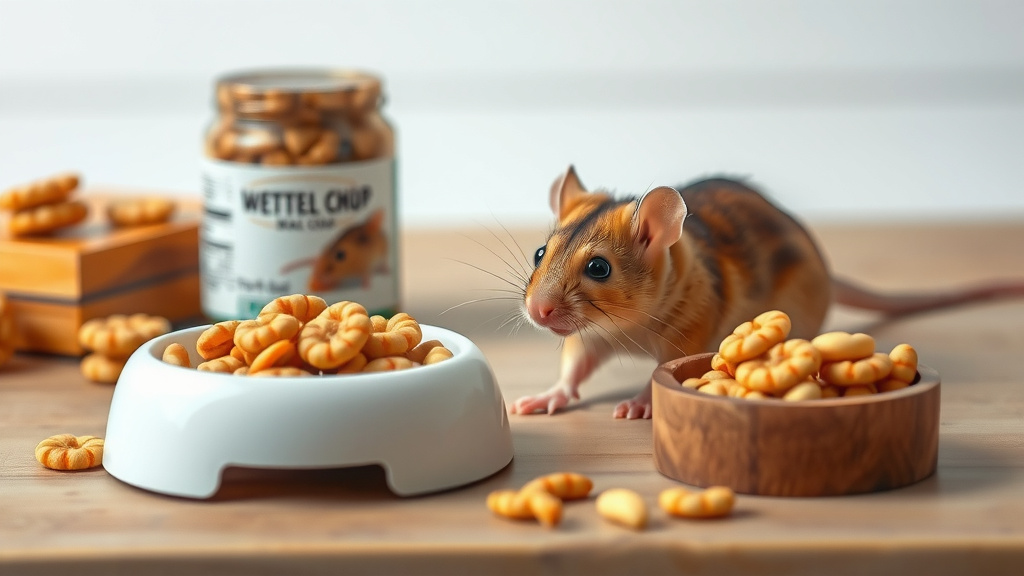
Hydration Station: Always Fresh Water
Water is non-negotiable for your mouse’s survival. They need constant access to fresh, clean water. The best way to provide this is with a sipper bottle designed for small animals. These bottles prevent the water from getting contaminated with bedding or food.
Check the sipper bottle daily to ensure it’s working correctly and that water is flowing freely. Mice can dehydrate quickly if their water source is blocked or empty. We found that using filtered water can help keep the sipper tube clean.
Creating a Balanced Meal Plan: A Sample Week
Here’s a sample idea of how you might structure your mouse’s diet over a week. Remember to adjust based on your mouse’s age, activity level, and individual needs.
| Day | Primary Food | Supplement/Treat |
|---|---|---|
| Monday | Commercial Mouse Mix | Small piece of cucumber |
| Tuesday | Commercial Mouse Mix | Tiny bit of cooked chicken |
| Wednesday | Commercial Mouse Mix | A blueberry |
| Thursday | Commercial Mouse Mix | Small piece of carrot |
| Friday | Commercial Mouse Mix | Tiny piece of scrambled egg |
| Saturday | Commercial Mouse Mix | A strawberry slice |
| Sunday | Commercial Mouse Mix | Small piece of broccoli |
Introducing New Foods Safely
When introducing any new food, whether it’s a fruit, vegetable, or protein source, do so slowly. Offer just a tiny piece initially. Watch for any signs of digestive upset like diarrhea or lethargy. If you notice anything concerning, stop feeding that food immediately.
Many experts recommend introducing only one new food at a time. This helps you pinpoint any potential issues. It also allows your mouse’s digestive system to adjust gradually. Don’t be discouraged if your mouse doesn’t like a particular food right away; they can sometimes warm up to new tastes after a few tries.
Your Mouse’s Diet Checklist:
- Always have fresh, clean water available.
- Feed a high-quality commercial mouse mix daily.
- Offer small portions of safe fruits and veggies a few times a week.
- Include tiny amounts of lean protein occasionally.
- Introduce new foods one at a time and in moderation.
- Avoid sugary, salty, and toxic human foods.
Conclusion
You’ve learned a lot about keeping your pet mice happy and healthy through their diet. Remember, a high-quality commercial food mix forms the foundation. Supplementing this with small, safe amounts of fresh fruits, vegetables, and occasional protein sources provides essential nutrients and variety. Always ensure fresh water is readily available.
By avoiding harmful human foods and introducing new items slowly, you’ll be well on your way to a thriving mouse. Your commitment to their diet makes a real difference in their well-being. Take this knowledge and create a delicious, nutritious meal plan for your tiny companions today!
Frequently Asked Questions
How much commercial food should I give my pet mouse each day?
Generally, a mouse will eat about 1-2 tablespoons of commercial food mix per day. You can leave this in their food dish and refill as needed. It’s best to monitor their consumption and adjust slightly if you notice they are consistently leaving a lot behind or always seem hungry.
Can my mouse eat the same fruits and vegetables I eat?
Many common fruits and vegetables are safe for mice, but always in moderation and prepared correctly. For example, apple seeds must be removed, and citrus is often too acidic. It’s important to research which specific items are safe and always introduce new foods slowly.
What are some good protein sources for my pet mouse?
As omnivores, mice benefit from small amounts of lean protein. Cooked, unseasoned chicken or turkey, or a tiny bit of scrambled egg are excellent options. Occasional mealworms or crickets from a pet store can also provide a protein boost.
Is it okay to give my mouse seeds as a treat?
Seeds can be given in very small quantities as an occasional treat, but they should not form the main part of your mouse’s diet. Many commercial mixes already contain seeds. Too many seeds can lead to an imbalanced diet, potentially causing obesity or nutritional deficiencies.
How do I know if a new food is upsetting my mouse’s stomach?
Watch for signs of digestive upset like diarrhea, lethargy, or a lack of appetite after introducing a new food. If you see any of these symptoms, stop feeding the new food immediately. It’s best to introduce only one new food at a time so you can easily identify the culprit if an issue arises.