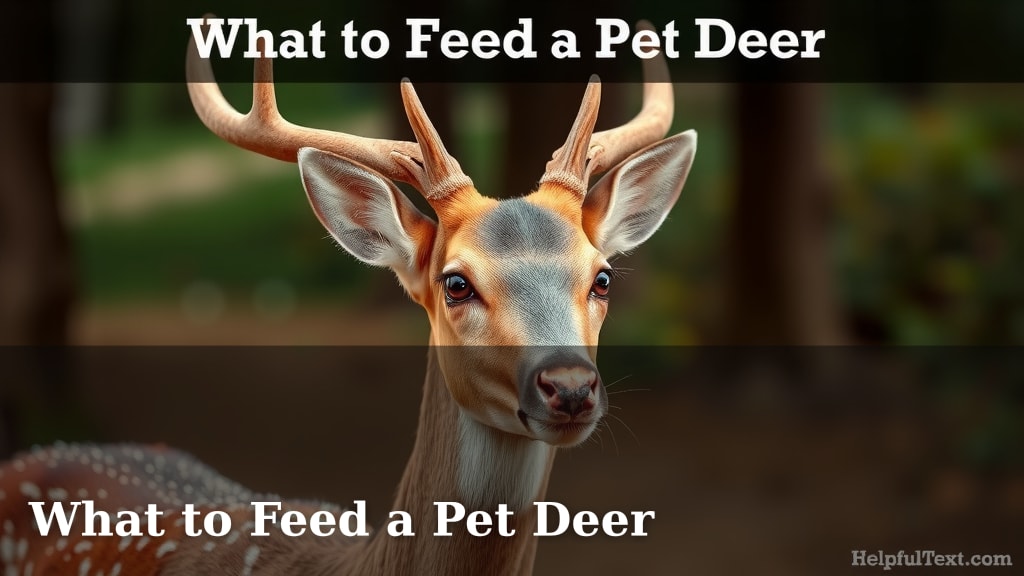
What to Feed a Pet Deer
Feeding a pet deer is a delicate balance; while they are wild animals, if you’ve taken one in, they generally need a diet of leafy greens, vegetables, and a high-quality pellet. You can offer things like lettuce, spinach, carrots, and specialized deer feed. Avoid sugary treats, processed foods, and anything that could upset their sensitive digestive systems. Ensuring they get enough roughage is key for their health.
Understanding a pet deer’s dietary needs goes beyond just filling a bowl. You’ll want to focus on providing a consistent and varied diet that mimics what they’d find in nature, but with added nutritional support. Many veterinarians and wildlife rehabilitators stress the importance of a diet rich in fiber and specific vitamins. It’s about giving your deer the best chance to thrive, and that starts with the right food, so you’ll want to get this right from the start.
- Deer primarily eat leafy greens, vegetables, and specialized pellets.
- Avoid sugary and processed foods for their sensitive digestion.
- Roughage is essential for a healthy deer diet.
- Consult experts for specific dietary recommendations.
- Consistency is important for their well-being.
Let’s walk through the best options for feeding your pet deer and what to steer clear of.
Dietary Basics for Your Pet Deer
Wondering what to feed your pet deer? It’s simpler than you might think, but it requires attention to detail. Your deer needs a diet that’s rich in fiber and nutrients. Think of it like feeding a very discerning toddler who only eats from nature’s pantry.
The best diet for a pet deer mimics what they’d eat in the wild. This includes lots of leafy greens and appropriate vegetables. They also benefit from specialized feed designed for deer. This combination helps ensure they get all the vitamins and minerals they need.
Essential Food Groups for Deer
So, what exactly should you be putting in that food dish? We’ve broken down the key components of a healthy deer diet.
Leafy Greens and Forage
This is the cornerstone of your deer’s diet. Fresh, leafy greens provide essential vitamins and fiber. Think of plants like dandelion greens, clover, and romaine lettuce. These are excellent choices. Many experts also suggest offering a variety of safe browse, which are edible twigs and leaves from trees and shrubs.
Always make sure the greens you offer are clean and pesticide-free. You wouldn’t want to accidentally poison your little Bambi! Research common plants in your area to identify safe and nutritious options for foraging. Some plants can be toxic, so knowing your local flora is important.
Vegetables and Roots
Beyond greens, a selection of vegetables adds variety and important nutrients. Carrots are a popular and healthy choice. Sweet potatoes and other root vegetables can also be given in moderation. These offer carbohydrates and beneficial vitamins. Just like with greens, ensure they are washed thoroughly.
Remember that deer have sensitive digestive systems. Too many sugary vegetables, like corn or peas, can cause problems. We want to keep their tummies happy and healthy, so balance is key. A good rule of thumb is to offer these in smaller quantities compared to leafy greens.
Specialized Deer Feed Pellets
While fresh foods are great, they might not provide everything a growing or adult deer needs. This is where specialized deer feed comes in. We found that high-quality commercial pellets designed for deer can be a lifesaver. These pellets are formulated to provide a complete nutritional profile.
Look for feeds that are high in fiber and low in non-structural carbohydrates. These are generally labeled for “deer” or “wildlife” and are available at farm supply stores or from wildlife rehabilitators. Always follow the feeding instructions on the package, as overfeeding can lead to issues. This feed should supplement, not replace, their fresh food intake.
Foods to Strictly Avoid
Just as important as knowing what to feed your pet deer is knowing what not to feed them. Their delicate digestive systems can react poorly to certain common human foods.
Sugary and Processed Foods
This might seem obvious, but it bears repeating. Absolutely no candy, bread, or baked goods. These are far too high in sugar and carbohydrates for a deer. You might think a small piece of apple or a cracker wouldn’t hurt, but it can lead to serious digestive upset, including bloat or colic. We found that even small amounts can disrupt their gut bacteria balance.
Certain Vegetables and Fruits
While some veggies are great, others are not. Avoid feeding deer onions, garlic, or anything from the nightshade family, such as tomatoes or potatoes, in large quantities. Many experts advise against feeding fruits too often, as they can be high in sugar. Stick to small, occasional treats if you must, but prioritize safer options.
Unsafe Plants and Flowers
Never feed your deer plants you aren’t absolutely sure are safe. Many common garden plants and houseplants are toxic to deer. This includes things like azaleas, rhododendrons, and lilies. If you have a deer in an enclosure, ensure there are no toxic plants within their reach. It’s better to err on the side of caution here.
Hydration is Key
You’ve got the food sorted, but what about water? Deer need constant access to fresh, clean water. This is just as vital as their diet for proper digestion and overall health. Make sure their water source is always full and clean.
We found that a large, sturdy trough or basin works best. Deer can be messy drinkers, so regular cleaning of their water source is important. Avoid stagnant water, as it can harbor harmful bacteria. Clean water ensures their kidneys function well and helps prevent dehydration.
A Sample Feeding Plan Checklist
To help you get started, here’s a simple checklist to ensure you’re providing a balanced diet for your pet deer. Stick to these basics for their well-being!
- Offer fresh, pesticide-free leafy greens daily.
- Include a variety of safe vegetables and roots.
- Supplement with high-quality deer feed pellets.
- Always provide access to fresh, clean water.
- Keep a close eye on their stool for any changes.
- Consult your veterinarian for personalized advice.
Conclusion
You’ve learned that a pet deer’s diet should focus on leafy greens, safe vegetables, and specialized pellets. Remember to always provide fresh, clean water. Avoiding sugary and processed foods is vital for their sensitive digestion. We found that consistency and variety are key to keeping your deer healthy and happy. Your next step should be to consult your veterinarian to create a personalized feeding plan tailored to your specific deer’s needs.
Frequently Asked Questions
How much should I feed my pet deer?
The amount will vary based on your deer’s age, size, and activity level. Generally, deer should have constant access to good quality forage like leafy greens and browse. Supplement this with a measured amount of deer feed pellets, following package directions. We recommend observing your deer and consulting with a wildlife professional for precise portioning.
Can I feed my pet deer fruits?
Feeding fruits to your pet deer should be done very sparingly, if at all. Fruits can be high in sugar, which can disrupt their digestive system and lead to health problems like colic. If you choose to offer fruit, stick to small pieces of low-sugar options like apples or berries as an occasional treat, not a staple.
What are common signs of digestive upset in deer?
Signs of digestive upset can include lethargy, loss of appetite, diarrhea, or changes in stool consistency. Bloating or discomfort can also occur. If you notice any of these symptoms, it’s a strong indicator that something in their diet may be causing issues. Promptly remove any suspect foods and consult your veterinarian.
Are all wild plants safe for pet deer to eat?
No, not all wild plants are safe. Many common garden and wild plants are toxic to deer. It’s essential to identify plants before offering them. If you’re unsure about a plant’s safety, it’s best to avoid it altogether. Stick to known safe options like clover, dandelion greens, and approved browse materials.
Where can I buy specialized deer feed pellets?
You can typically find high-quality deer feed pellets at local farm supply stores, feed stores, or through agricultural cooperatives. Online retailers specializing in livestock or wildlife feed are also good sources. If you’re having trouble locating them, your veterinarian or a local wildlife rehabilitator can often provide recommendations or direct you to a supplier.