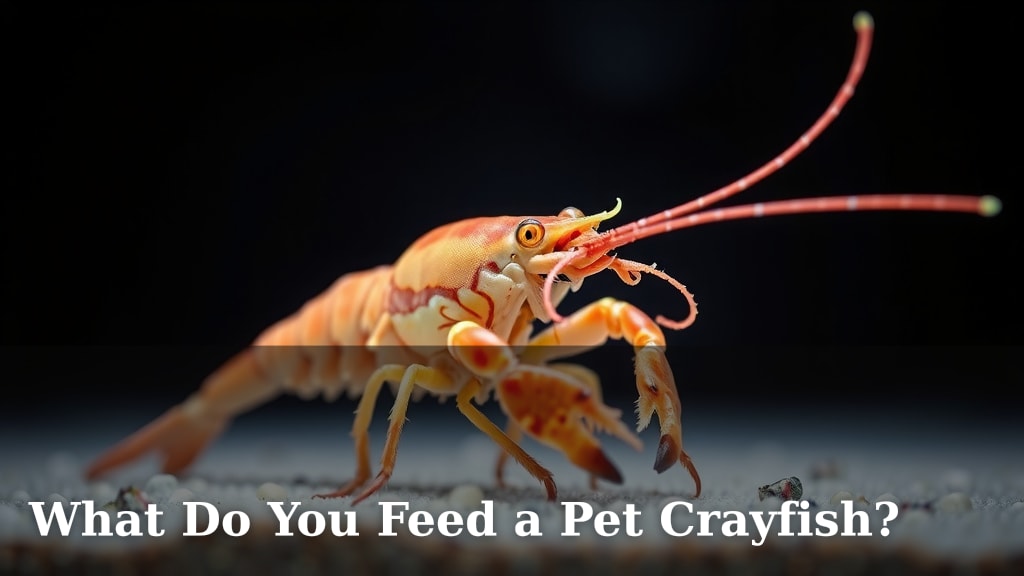
What Do You Feed a Pet Crayfish?
Feeding your pet crayfish is simpler than you might think! You can offer them a varied diet that includes commercial crayfish pellets, blanched vegetables like spinach or zucchini, and even small pieces of cooked fish or shrimp. The key is to provide a balanced diet that mimics what they’d eat in the wild to ensure they stay healthy and happy.
While they aren’t picky eaters, it’s important to avoid overfeeding and to remove any uneaten food promptly. This helps maintain water quality, which is essential for your little crustacean friends. Many owners also find success by supplementing with foods like bloodworms or brine shrimp as occasional treats, but these shouldn’t be their primary food source.
- Offer a mix of commercial pellets and blanched veggies.
- Feed sparingly to avoid fouling the water.
- Remove uneaten food within a few hours.
- Occasional treats like bloodworms are okay in moderation.
- Ensure their diet is balanced for good health.
Let’s dive deeper into the best foods to give your pet crayfish and what to watch out for. We’ll cover everything you need to know to keep your shelled friend thriving!
“`htmlWhat Should You Feed Your Pet Crayfish?
Choosing the right food for your pet crayfish is key to their health and happiness. You want to provide a varied and balanced diet. This means their meals should mimic what they would find in their natural habitat.
The Foundation: High-Quality Pellets
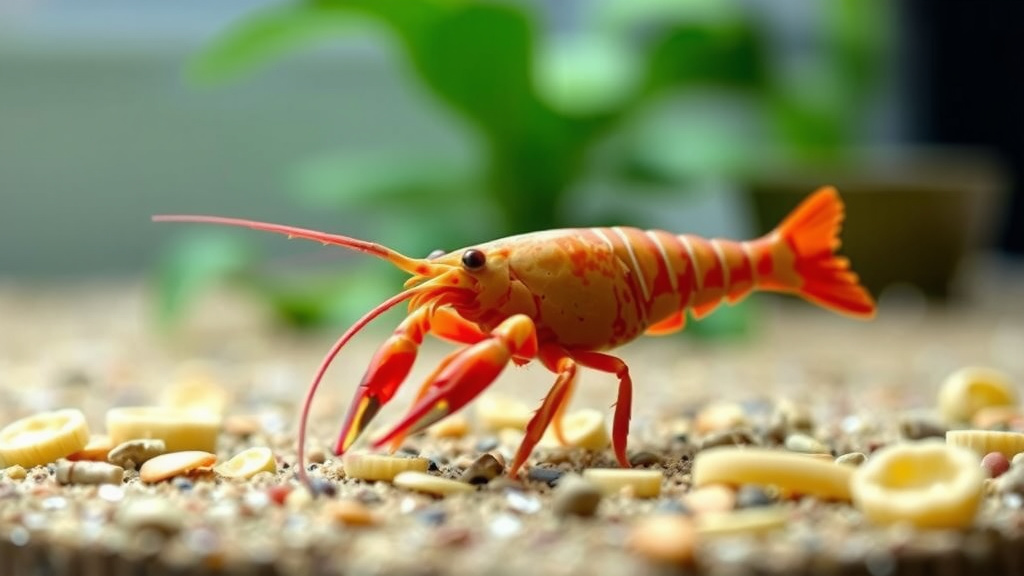
Commercial crayfish or invertebrate pellets are often the best starting point for your pet’s diet. These are specifically formulated to provide essential nutrients. Look for pellets designed for bottom feeders or carnivorous invertebrates.
These pellets typically contain a good balance of protein, vitamins, and minerals. They are convenient and ensure your crayfish gets many of the things it needs daily. We found that using these pellets as a base makes feeding much simpler.
Adding Variety with Vegetables
Crayfish also benefit greatly from fresh vegetables. These add vitamins, minerals, and fiber to their diet. It’s like giving them a fresh salad from the grocery store, but for their tank!
Preparing Veggies for Your Crayfish
It’s important to prepare vegetables properly before feeding them to your crayfish. Raw vegetables can sometimes be difficult for them to eat and can also quickly foul the water. We recommend blanching them.
Blanching simply means briefly boiling or steaming the vegetables until they are slightly softened. This makes them easier for your crayfish to chew and digest. After blanching, let them cool completely before adding them to the tank. Chop them into small, manageable pieces.
Great Vegetable Options
- Spinach: A fantastic source of calcium and iron.
- Zucchini: Softens up nicely when blanched and is a crayfish favorite.
- Carrots: Offer a good source of Vitamin A.
- Peas: Shell them first and offer them whole or lightly mashed.
- Leafy greens like kale or romaine lettuce: Ensure they are thoroughly washed.
Remember to only feed a small amount of vegetables. They should be able to consume it within a few hours. Any leftovers can quickly degrade water quality.
Protein Sources: Occasional Treats
Crayfish are omnivores with a strong carnivorous tendency, so they need protein. While pellets and veggies form the bulk of their diet, occasional protein boosts are beneficial.
Safe Protein Choices
Small pieces of cooked, unseasoned fish or shrimp are excellent protein sources. You can even offer cooked chicken or beef sparingly. Make sure it’s cooked thoroughly with absolutely no spices or salt. These foods should be given in tiny pieces.
Frozen or freeze-dried options like bloodworms or brine shrimp can also be fed as occasional treats. These are often relished by crayfish. However, they can be high in protein and should not be a daily staple. Many experts suggest these are best given once or twice a week at most.
Foods to Absolutely Avoid
Just as important as knowing what to feed your crayfish is knowing what *not* to feed them. Some human foods can be harmful or even toxic to these delicate creatures.
Dangers of Certain Foods
- Salty foods: Crayfish cannot process salt well.
- Spicy foods: Any kind of spice is toxic to them.
- Processed foods: These often contain preservatives and additives that are harmful.
- Citrus fruits: The acidity can be dangerous for their systems.
- Raw meat (uncooked): This can carry harmful bacteria.
When in doubt, it’s always best to skip it. Stick to the known safe foods. We want your crayfish to thrive, not just survive!
How Much and How Often Should You Feed?
Feeding your crayfish the right amount is crucial for their health and for maintaining good water quality. Overfeeding is a common mistake new owners make.
As a general guideline, offer only what your crayfish can eat in about 10-15 minutes. This amount will vary depending on the size and age of your crayfish. For smaller crayfish, a tiny piece of pellet or a small sliver of blanched zucchini might be enough.
For adult crayfish, you might offer one or two small pellets, or a bite-sized piece of vegetable or protein. It’s better to underfeed slightly than to overfeed. You can always add a little more the next day if they seem to be finishing everything too quickly.
The Importance of Water Quality
This cannot be stressed enough: uneaten food will decay in your tank. This process releases ammonia and nitrates, which are toxic to your crayfish and any other tank inhabitants. Good water quality is non-negotiable for their survival.
We recommend removing any uneaten food within a few hours, especially if it’s a protein-rich item. Vegetables tend to break down a bit slower. Always have a good filtration system running in your tank. Regular water changes are also essential. Your crayfish will thank you with vibrant colors and active behavior!
A Sample Feeding Schedule Checklist
Here’s a simple checklist to help you plan your feeding routine:
- Daily: Offer 1-2 high-quality crayfish pellets (or equivalent food amount).
- 2-3 times per week: Add a small portion of blanched vegetables.
- Once per week: Offer a tiny piece of cooked, unseasoned fish or shrimp, or bloodworms/brine shrimp as a treat.
- Always: Remove uneaten food within a few hours.
- Monitor: Adjust food amounts based on your crayfish’s consumption and size.
- Observe: Watch for any changes in your crayfish’s behavior or appearance that might indicate dietary issues.
By following these simple guidelines, you can ensure your pet crayfish receives a nutritious and varied diet. This will help them live a long, healthy, and happy life in their aquatic home. Happy feeding!
“`
Conclusion
You’re now equipped to provide your pet crayfish with a nutritious and exciting diet! Remember that a varied menu of high-quality pellets, prepared vegetables, and occasional protein treats is key. Always prioritize fresh, safe foods and meticulous water quality maintenance. By following these feeding guidelines, you’ll be setting your crayfish up for a long, vibrant life. Your next step? Gather those recommended foods and start building a healthy meal plan for your aquatic friend!
Frequently Asked Questions
How often should I feed my pet crayfish?
Generally, you should feed your crayfish daily, but only offer what they can consume within about 10-15 minutes. It’s better to slightly underfeed than to overfeed. Monitor your crayfish’s appetite and adjust the quantity as needed.
Can my crayfish eat the same food as my fish?
While some fish foods might be acceptable in a pinch, it’s best to use specialized crayfish or invertebrate pellets. These are formulated with the specific nutritional needs of crustaceans in mind. Fish foods may lack essential nutrients or contain ingredients that aren’t ideal for crayfish.
What’s the best way to give my crayfish vegetables?
Always blanch vegetables like spinach or zucchini before feeding them to your crayfish. This means briefly boiling or steaming them until slightly softened. Blanching makes the vegetables easier to digest and helps prevent them from fouling the tank water too quickly.
Is it okay to feed my crayfish live foods like worms?
Live foods such as bloodworms or brine shrimp can be given as occasional treats, perhaps once a week. However, they should not be the main part of your crayfish’s diet. These can be high in protein and should be offered sparingly to avoid dietary imbalances.
What are the signs of a poorly fed crayfish?
A crayfish not getting the right nutrition might show signs like lethargy, poor molting, or dull coloration. You might also notice increased uneaten food in the tank, indicating they aren’t interested in their current diet or are being overfed.