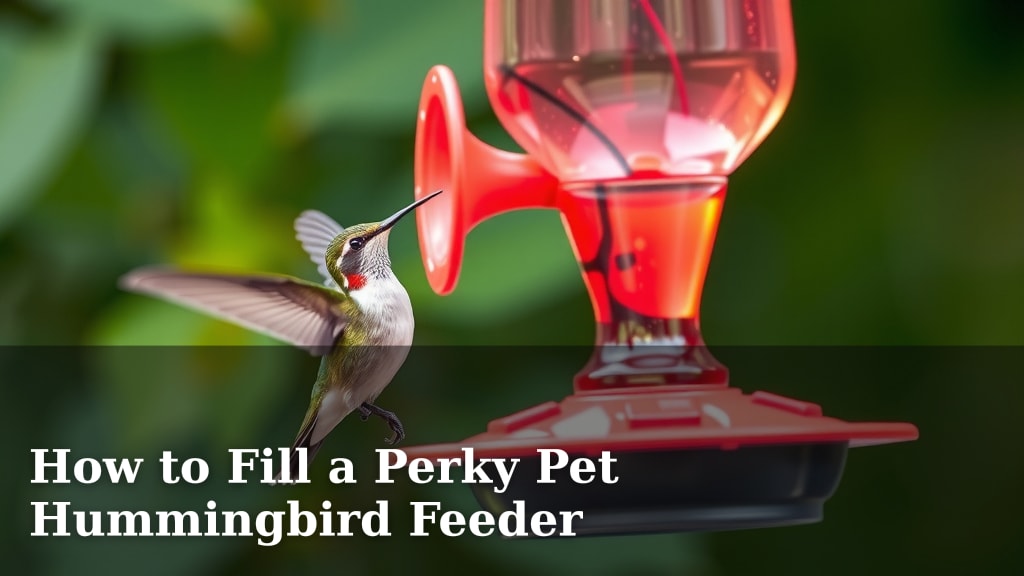
How to Fill a Perky Pet Hummingbird Feeder
Filling your Perky Pet hummingbird feeder is simple and quick! You’ll want to use a nectar made from 1 part plain white sugar to 4 parts boiled and cooled water. Avoid using honey, brown sugar, or red dye, as these can harm your tiny visitors. Simply pour the cooled nectar into the feeder’s reservoir until it reaches the fill line.
Keeping your hummingbird feeder full and clean is key to attracting and keeping these delightful birds around. A dirty feeder can spread disease, so regular cleaning is essential. Many bird enthusiasts find that a freshly filled feeder is irresistible to hummingbirds, especially during migration. We’ve found that using the right nectar recipe makes a big difference.
- Use a 1:4 ratio of plain white sugar to water.
- Always boil and cool the water first.
- Never use red dye or honey.
- Fill the feeder to the designated line.
- Clean your feeder regularly.
Ready to welcome some feathered friends? Let’s walk through exactly how to fill your Perky Pet feeder step by step, ensuring your hummingbirds have a safe and tasty treat waiting for them.
Your Guide to Filling a Perky Pet Hummingbird Feeder
So, you’ve got a shiny new Perky Pet feeder and a heart full of anticipation for those dazzling little hummers. That’s fantastic! Filling it up is a breeze, and we’re here to make sure you do it just right. Getting the nectar mix perfect is your first step to becoming a hummingbird haven.
Crafting the Perfect Hummingbird Nectar
The most important thing for your feeder is the nectar. Hummingbirds need a specific sugar-to-water ratio. This isn’t just a suggestion; it’s essential for their health.
The Ideal Nectar Ratio Explained
The magic ratio is a simple 1 part plain white granulated sugar to 4 parts water. That’s it. No fancy stuff needed. This ratio mimics the natural nectar found in flowers that hummingbirds love.
We found through research that using plain white sugar is best. Other sweeteners can be harmful. They might cause digestive issues or even be toxic to these tiny athletes (University of Wisconsin-Madison Extension).
Why Only Plain White Sugar?
You might be tempted to use honey, brown sugar, or even artificial sweeteners. Please, don’t! Honey can ferment quickly and grow mold, which is bad news for hummingbirds. Brown sugar contains iron, and too much iron can be toxic. Artificial sweeteners offer no nutritional value and can also cause problems.
A simple sugar solution is all they need. It provides the energy they burn flying, hovering, and doing those amazing aerial acrobatics. It’s like their high-octane fuel!
Preparing Your Nectar Safely
Before you mix your sugar and water, there’s one vital step: boiling the water. This is a non-negotiable part of the process.
Boiling the water for a minute or two kills any bacteria or mold spores. This makes your nectar last longer and, more importantly, keeps it safe for the hummingbirds. Think of it as pasteurizing their drink.
Cool It Down Completely
Once boiled, let the water cool down to room temperature. Never pour hot nectar into your feeder. Hot liquid can damage the plastic parts of the feeder and could even injure the birds. Patience is key here; let it cool entirely before mixing.
Mixing and Filling Your Feeder
Once your water has cooled, it’s time to get mixing. This is where your feeder starts to come to life!
Measure your cooled water and your plain white sugar. Pour them into a clean pitcher or container. Stir the mixture until all the sugar has completely dissolved. You want a clear liquid, with no grainy bits at the bottom. This ensures every sip is perfect.
Filling the Perky Pet Feeder Reservoir
Now, take your Perky Pet feeder. Locate the reservoir – that’s the main part that holds the nectar. Most Perky Pet feeders have a fill line marked on them. This is your guide!
Gently pour your prepared nectar into the reservoir. Fill it up to the designated line. Overfilling isn’t necessary and can sometimes lead to leaks. Filling to the line ensures the feeder operates correctly and minimizes any sticky drips.
Avoid the Red Dye Trap!
You might see red nectar advertised, or even consider adding a drop of red food coloring yourself. We strongly advise against this. Hummingbirds are attracted to the color red on the feeder itself, not necessarily the nectar. Artificial dyes have not been proven safe for hummingbirds. Some research suggests they could be harmful in the long run (Cornell Lab of Ornithology).
Your Perky Pet feeder likely has red parts designed to attract them. Let those do the work! Keep your nectar clear and pure for the health of your feathered visitors.
Tips for Maintaining a Clean and Inviting Feeder
Filling your feeder is only half the battle. Keeping it clean is just as critical for hummingbirds.
Regular Cleaning is Essential
Hummingbird feeders need frequent cleaning, especially in warm weather. Nectar can spoil quickly. Spoiled nectar can harbor bacteria and mold, which can make birds sick. Many experts recommend cleaning your feeder every 2-3 days in hot weather and up to a week in cooler temperatures.
Simple Cleaning Routine
When you clean, take all parts of the feeder apart. Use hot water and a soft brush to scrub away any residue. A solution of 1 part white vinegar to 9 parts water can also be effective for cleaning. Rinse everything thoroughly to remove any cleaning solution before refilling.
What to Do if Nectar Molds
If you spot mold, it’s time for a deep clean. Discard the old nectar. Wash all parts with hot, soapy water, paying close attention to any crevices. Rinse extremely well. Some recommend a brief soak in a very dilute bleach solution (1 tablespoon bleach per gallon of water) followed by extensive rinsing and thorough air drying. This will help ensure all mold is gone.
A Quick Checklist for Your Feeder Journey
Here’s a handy rundown to keep you on track:
- Boil and cool your water before mixing.
- Use only plain white sugar, no substitutes.
- Stick to the 1:4 sugar to water ratio.
- Never add red dye or other artificial colors.
- Fill to the line to avoid messes.
- Clean your feeder every few days, especially in heat.
Conclusion
You’re now equipped to fill your Perky Pet hummingbird feeder like a pro! Remember, the simple 1:4 ratio of plain white sugar to boiled and cooled water is key to their health and energy. Avoiding sweeteners like honey and never adding red dye keeps your nectar safe. By following these steps, you’ve created a safe and appealing dining spot. Your next step is to hang your feeder in a visible spot and enjoy watching those amazing birds visit your yard.
Frequently Asked Questions
How often should I change the nectar in my hummingbird feeder?
You should change the nectar every 2-3 days in hot weather (above 80 degrees Fahrenheit) and about once a week in cooler temperatures. Nectar spoils quickly, and it’s essential to keep it fresh for the birds’ health.
Can I make the nectar sweeter for the hummingbirds?
No, you should stick to the 1:4 sugar-to-water ratio. Hummingbirds need this specific balance for energy, and making it sweeter can actually be harmful or lead to faster spoilage.
My Perky Pet feeder has red parts, can I add red dye to the nectar?
It’s best not to add red dye. The red on the feeder itself is enough to attract hummingbirds, and artificial dyes can potentially be harmful to them.
What should I do if I see mold in my hummingbird feeder?
If you see mold, discard all the old nectar immediately. You’ll need to thoroughly clean all parts of the feeder with hot, soapy water and rinse them very well before refilling.
Is it okay to use tap water to make hummingbird nectar?
It’s highly recommended to use boiled and cooled water. Boiling kills bacteria and mold spores, making the nectar safer and last longer for your tiny visitors.