What Can I Feed My Pet Ladybug? Safe Foods
You can feed your pet ladybug a variety of safe and healthy foods, primarily sugary liquids and small insects. Many people find success feeding them a diluted sugar water solution or commercial nectar substitutes. Remember, these tiny beneficial insects need the right fuel to thrive and help your garden!
When considering what your ladybug friend eats, think about their natural diet. In the wild, they are voracious predators of aphids. While you can’t always replicate their wild meals perfectly, providing them with suitable alternatives like small, soft-bodied insects or a sugary drink can make a big difference in their well-being. We’ve researched the best options for your little garden helper.
- Yes, you can feed ladybugs!
- A sugar water solution is a good option.
- Small, soft insects are also beneficial.
- Avoid citrus and sugary drinks with additives.
- Proper food helps them stay healthy and active.
Let’s walk through exactly what you can offer your pet ladybug to keep them happy and healthy.
Feeding Your Pet Ladybug: A Guide to Safe Foods
Wondering what to feed your tiny garden friend? It’s simpler than you might think! Your pet ladybug needs energy, and that comes from specific food sources. We’ve researched what keeps these beneficial insects happy and healthy in captivity.
Understanding a Ladybug’s Natural Diet
Before we talk about what you can provide, let’s think about what ladybugs eat in the wild. Their favorite meal? Aphids! They are tiny, soft-bodied insects that are packed with the protein and sugars ladybugs need. This predatory instinct is why they are so loved by gardeners. They’re natural pest controllers.
While you might not have an endless supply of aphids readily available, understanding their natural preference helps us choose the best substitutes. We want to mimic their wild diet as closely as possible for optimal nutrition.
Best Food Options for Your Ladybug Pet
So, what can you offer your ladybug? The primary need is a source of sugar for energy. They also benefit from protein, which comes from insects. Let’s break down the most effective options.
Sugary Liquids: The Energy Boosters
Ladybugs need a quick source of energy, much like we might reach for a sweet drink after a workout. Sugary liquids are essential for their survival. This is the most common and easiest food to provide.
Diluted Sugar Water
This is a go-to for many ladybug keepers. You’ll want to mix sugar with water. A good ratio to aim for is about 10% sugar to 90% water. You can use regular table sugar or honey.
How to prepare it: Dissolve about one teaspoon of sugar in a cup of water. You can also use honey, but be sure to dilute it well. Honey can be quite sticky, so a very thin solution is best.
How to offer it: Don’t just pour it into their habitat! This can drown your tiny friend. Instead, soak a small piece of sponge or a cotton ball in the solution. Make sure it’s damp but not dripping. Place this in their enclosure.
Commercial Nectar Substitutes
You can also find specialized nectar replacements designed for beneficial insects. These are often formulated with the right balance of sugars and nutrients. Many keepers find these convenient and effective.
Where to find them: These are typically available at garden supply stores or online retailers that cater to insect enthusiasts. They usually come in a powder form that you mix with water.
Fruit Juices (with caution!)
Some keepers have success with very diluted fruit juices. Think of it as a treat, not a staple. Opt for juices that are not too acidic. A tiny drop of diluted apple juice or grape juice might be acceptable.
Important note: Avoid citrus juices like orange or lemon. The high acidity can be harmful to ladybugs. Also, ensure there are no artificial sweeteners or preservatives. These additives can be toxic.
Protein Sources: For Growth and Development
While sugar provides energy, ladybugs also need protein, especially if you are looking to encourage egg-laying or if you have very young ladybugs (larvae). Their natural protein source is, of course, aphids.
Small, Soft-Bodied Insects
When providing insect protein, think small and soft. Ladybugs have tiny mouths, so whatever you offer must be manageable. Fruit flies are a popular choice. They are small enough for ladybugs to consume easily.
Other options include:
- Tiny maggots (from a pet store or a safe source)
- Small mealworms (only for larger ladybug species, and cut up)
- Other small, soft insects found in your garden (ensure they haven’t been exposed to pesticides)
Feeding Insect Protein
You don’t need to offer large amounts. A few fruit flies every couple of days should suffice for a single ladybug. If you’re feeding larger insect larvae, cut them into small pieces so they are easier for your ladybug to eat.
We found that offering a variety of protein sources can be beneficial, mimicking a more natural diet. However, always ensure the insects are dead or very slow-moving before offering them to your ladybug. This prevents the prey from harming your pet.
Foods to Absolutely Avoid
Just as important as knowing what to feed your ladybug is knowing what to keep away from them. Some common human foods can be detrimental, even fatal, to these little creatures.
- Citrus fruits: As mentioned, their acidity is dangerous.
- Sugary drinks with additives: Sodas, sweetened teas, or any beverage with artificial sweeteners, colors, or preservatives should be avoided.
- Anything processed or cooked: Ladybugs are wild creatures. They cannot digest complex, cooked, or processed foods.
- Raw meat or dairy: These can spoil quickly and introduce harmful bacteria.
- Pesticides: If you collect insects from your garden, be absolutely certain they haven’t been exposed to any chemicals.
It’s always better to err on the side of caution. If you’re unsure about a food item, it’s best to skip it. Sticking to the safe options will keep your ladybug healthy.
Creating a Feeding Station
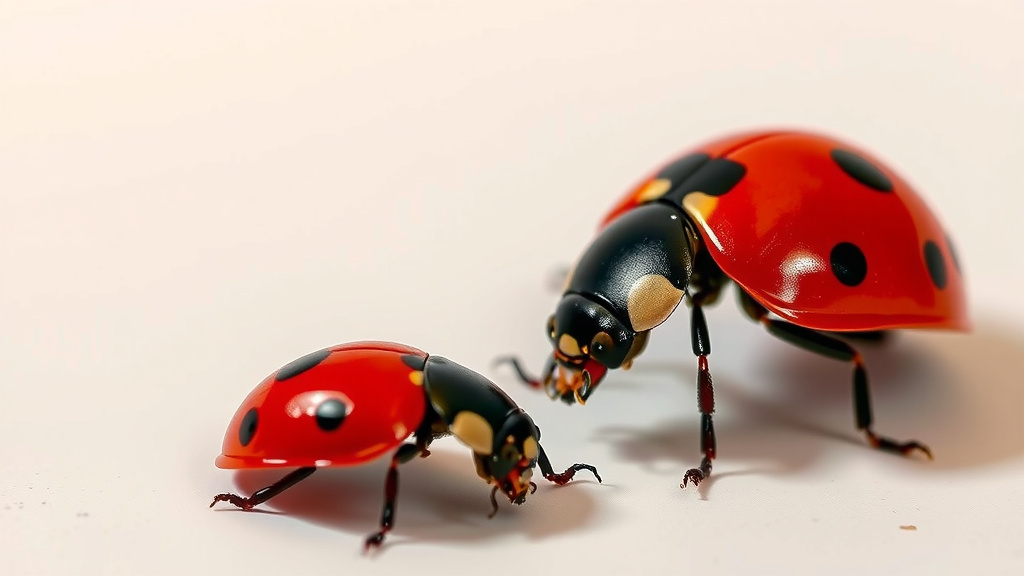
How you present the food matters. You want to make it easy for your ladybug to access but also prevent it from drying out too quickly or becoming contaminated.
| Food Type | Presentation Method | Frequency |
|---|---|---|
| Diluted Sugar Water/Nectar | Sponge or cotton ball (damp, not dripping) | Daily |
| Fruit Flies/Small Insects | Placed directly in enclosure, or on a small dish | Every 2-3 days |
| Diluted Fruit Juice | Tiny drop on a cotton swab (as a rare treat) | Very infrequent |
Remember to clean out old food and replace it regularly to prevent mold and bacteria growth. A clean environment is just as important as good food.
Quick Ladybug Feeding Checklist
Here’s a quick rundown to help you remember the essentials:
- Always provide a source of sugar water or nectar.
- Offer small, soft-bodied insects for protein.
- Prepare sugar water at a 10:90 ratio (sugar:water).
- Use a damp sponge or cotton ball for liquids.
- Avoid citrus and any drinks with additives.
- Keep their feeding area clean and fresh.
Conclusion
Keeping your pet ladybug happy and healthy is all about understanding their natural needs. You’ve learned that a balanced diet of sugary liquids for energy and small, soft insects for protein is key. By providing these simple, safe foods and avoiding anything potentially harmful like citrus or processed items, you’re setting your tiny garden helper up for success. Now, you’re ready to create a nutritious environment that will allow your ladybug to thrive and continue its beneficial work. Go forth and feed your ladybug with confidence!
Frequently Asked Questions
How often should I feed my pet ladybug?
You should offer your ladybug a source of sugary liquid, like diluted sugar water, daily. For protein, such as fruit flies, a feeding every 2-3 days is generally sufficient. Adjust based on your ladybug’s activity and appetite.
Can I feed my ladybug anything from my own food?
It’s best to stick to specific options like diluted sugar water or tiny, soft insects. Avoid most human foods, especially anything citrus, processed, or with additives. Your ladybug has very specific dietary needs that mimic its wild diet.
What is the best way to offer liquids to my ladybug?
Never pour liquids directly into the enclosure, as this can drown your ladybug. Instead, soak a small piece of sponge or a cotton ball in the diluted sugar water or nectar substitute. Make sure it’s damp but not dripping.
Are fruit flies a good protein source for ladybugs?
Yes, fruit flies are an excellent protein source for ladybugs. They are small and soft-bodied, making them easy for ladybugs to consume and digest. They closely mimic the small insects ladybugs would eat in the wild.
How do I know if my ladybug is getting enough to eat?
A well-fed ladybug will be active and alert. If you notice lethargy or a lack of movement, it could be a sign of insufficient food or improper diet. Ensure you are consistently providing both a sugar source and occasional protein.