
What Can I Feed My Pet Lizard? Diet Guide
Feeding your pet lizard the right diet is key to their health and happiness. Most pet lizards are omnivores, meaning they eat a varied diet of insects and vegetables. However, the exact food depends heavily on the specific lizard species you own, so always research your pet’s needs.
Understanding what your lizard eats is more than just filling a bowl. It’s about providing the right nutrients and minerals for proper growth and development. A balanced diet helps prevent common health issues and ensures your scaly friend lives a long, vibrant life.
- Most pet lizards eat insects and vegetables.
- Diet varies greatly by lizard species.
- Proper nutrition prevents health problems.
- Always research your specific lizard’s needs.
Let’s get into the specifics of what you can feed your pet lizard to keep them thriving!
Feeding Your Scaly Companion: A Lizard Diet Deep Dive
So, you’re wondering what you can toss into your lizard’s food bowl? It’s a question many pet owners ask. We’ve found that understanding your specific lizard’s dietary needs is the first step to a happy, healthy pet. Think of it like planning a menu; you wouldn’t give a picky toddler a gourmet steak, right? The same goes for your lizard.
Most popular pet lizards aren’t strict carnivores or herbivores. They often fall into the omnivore category. This means their diet should include a mix of animal protein and plant matter. The exact proportions and types of food will vary wildly depending on the species. We’ll break down the common food groups to get you started.
Insect Appetizers: The Protein Powerhouse
For many pet lizards, insects are the staple of their diet. They offer essential protein and nutrients. But not all bugs are created equal, and you can’t just go catching critters from your backyard. Many wild insects can carry pesticides or parasites that are harmful to your pet. It’s always best to purchase live insects from a reputable pet store or breeder.
Commonly Fed Insects
You’ll find several types of insects commonly offered to pet lizards. Crickets are probably the most popular choice. They’re readily available and many lizards find them irresistible. Mealworms are another common option, though they are higher in fat and lower in calcium than crickets. Dubia roaches are often considered a superior food source. They are packed with protein and have a good calcium-to-phosphorus ratio.
Gut-Loading Your Insects
Here’s a pro-tip we discovered: you can make your feeder insects even more nutritious. This process is called “gut-loading.” It involves feeding the insects a nutritious diet for at least 24 hours before you feed them to your lizard. Good gut-loading foods include commercial gut-load formulas, fresh fruits, and vegetables like carrots, apples, and leafy greens. This ensures your lizard gets the maximum nutritional benefit.
Supplementation is Key
Even with a varied insect diet, your lizard might not get all the vitamins and minerals it needs. Many experts recommend supplementing your lizard’s diet with calcium and vitamin powders. These powders are usually dusted onto the insects. Calcium is vital for bone health, and a lack of it can lead to metabolic bone disease. Vitamin D3 is often given alongside calcium, as it helps the lizard absorb calcium. We found that using a multivitamin powder a few times a week can really help fill in any nutritional gaps.
A good rule of thumb is to dust insects with a calcium supplement most feedings. Use a reptile multivitamin with D3 a couple of times a week. Always follow the specific recommendations for your lizard species and the products you use.
Vegetable Variety: The Greens and Grubs
Not all lizards live on bugs alone. Many popular species, like bearded dragons and iguanas, are omnivores or herbivores. They need a good portion of fresh vegetables and some fruits in their diet. Offering a variety of greens is essential for providing fiber, vitamins, and hydration.
Safe Vegetable Choices
When selecting vegetables, opt for dark, leafy greens. Collard greens, mustard greens, and turnip greens are excellent choices. These are high in calcium and other nutrients. Dandelion greens are another fantastic option that many lizards love. You can also offer things like squash, bell peppers, and green beans in moderation. We’ve found that chopping the vegetables into small, manageable pieces makes them easier for your lizard to eat.
Fruits: A Treat, Not a Staple
Fruits can be a tasty addition for some lizards, but they should be offered sparingly. Fruits are often high in sugar and can lead to digestive issues or health problems if overfed. Berries, melon, and apples can be given as occasional treats. Always remove seeds and pits from fruits before feeding them to your pet. Remember, balance is the name of the game here.
| Food Type | Description | Frequency |
|---|---|---|
| Insects | Crickets, Dubia roaches, mealworms, etc. (gut-loaded) | Daily |
| Leafy Greens | Collard greens, mustard greens, dandelion greens. | Daily |
| Other Vegetables | Squash, bell peppers, green beans. | Several times a week |
| Fruits | Berries, melon, apple (seeds removed). | Occasionally (treat) |
| Supplements | Calcium with D3, reptile multivitamin. | As recommended, usually most feedings for calcium. |
Foods to Avoid
Just as important as knowing what to feed is knowing what to avoid. Some common foods are toxic to reptiles. For instance, avocado is poisonous to many animals, including lizards. Onions and garlic can also be harmful. Avoid iceberg lettuce; it has very little nutritional value. We also found that feeding raw meat to omnivorous lizards isn’t ideal, as it can carry bacteria. Always do your research on your specific species’ dietary restrictions.
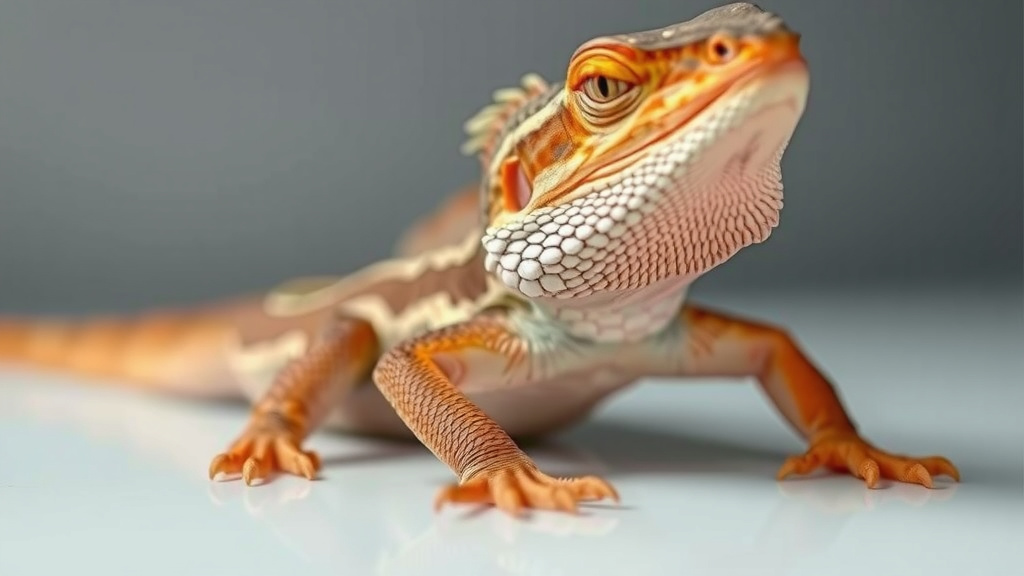
Water: The Essential Element
Don’t forget about water! Dehydration is a serious concern for pet lizards. Ensure your pet always has access to fresh, clean water. Some lizards prefer a water dish, while others drink water droplets from leaves or misting. We found that many species drink more readily if the water is presented in a way that mimics their natural drinking habits. Some keepers use a dripper system to provide water for arboreal (tree-dwelling) species.
Providing Water Correctly
For most terrestrial lizards, a shallow, sturdy water dish placed in their enclosure works well. Clean and refill it daily to prevent bacteria growth. For some desert species, you might only need to mist their enclosure lightly every few days, as they get most of their moisture from their food. Tropical species often benefit from daily misting to provide water droplets to lick off surfaces. Always research your specific lizard’s hydration needs.
Choosing the right diet for your pet lizard might seem daunting at first. But with a little research and careful planning, you can ensure your scaly friend is getting all the nutrients they need to live a long and happy life. Providing a varied, supplemented diet, along with fresh water, is your roadmap to success.
Quick Feeding Checklist:
- Identify your lizard’s species and dietary needs.
- Offer gut-loaded insects daily for insectivores.
- Provide a variety of safe leafy greens for omnivores.
- Supplement with calcium and vitamins as recommended.
- Always ensure access to fresh, clean water.
- Avoid toxic foods and high-sugar fruits.
Conclusion
You’ve learned that feeding your pet lizard a balanced diet is essential for their well-being. We’ve covered the importance of species-specific needs, from insect variety and gut-loading to the role of leafy greens and safe fruits. Remember that proper supplementation and access to fresh water are non-negotiable parts of reptile care. Your commitment to providing the right nutrition will directly translate to a healthier, happier lizard.
Your next step is to take this knowledge and create a feeding plan tailored precisely to your scaly friend’s unique requirements. Always consult your veterinarian if you have specific concerns.
Frequently Asked Questions
How often should I feed my pet lizard?
Feeding frequency really depends on your lizard’s species, age, and activity level. Younger, growing lizards typically need to be fed daily. Adult lizards, especially omnivores or herbivores, might only need feeding every other day or a few times a week. Always research the typical feeding schedule for your specific type of lizard.
Can I feed my lizard insects from my backyard?
We strongly advise against feeding your lizard insects caught from your backyard. Wild insects can carry pesticides, herbicides, or parasites that are extremely harmful, even deadly, to your pet. It’s always safest to purchase live feeder insects from a reputable pet store or breeder.
What are the best greens to feed my omnivore lizard?
For omnivorous lizards like bearded dragons, dark, leafy greens should form the base of their vegetable diet. Excellent choices include collard greens, mustard greens, turnip greens, and dandelion greens. These are packed with essential nutrients. You can also offer other vegetables like squash or bell peppers a few times a week.
How do I know if my lizard is getting enough calcium?
Signs of calcium deficiency can include lethargy, tremors, and in severe cases, bone deformities or fractures. This is why dusting feeder insects with calcium powder is so important. Most experts recommend using a calcium supplement with D3 most feedings and a reptile multivitamin a couple of times a week. If you’re concerned, talk to your reptile veterinarian.
Is it okay to give my lizard store-bought fruit treats?
Fruits can be given as an occasional treat, but they should be offered very sparingly. Many fruits are high in sugar, which can lead to digestive upset or long-term health problems if overfed. Stick to small pieces of low-sugar fruits like berries or melon, and always remove seeds and pits. They are definitely not a dietary staple.