What Can I Feed My Pet Bird? Safe Diet Tips
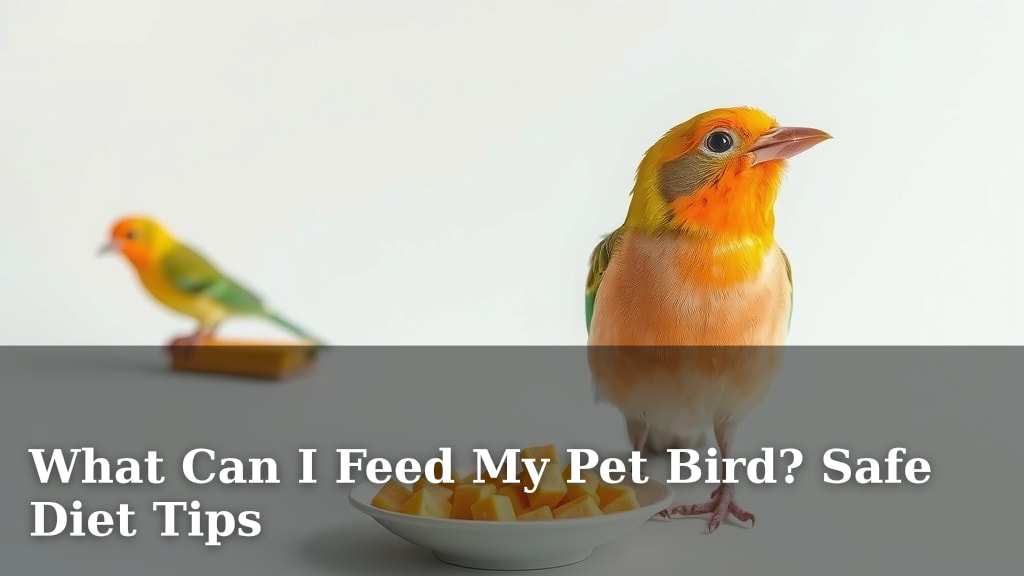
Feeding your pet bird a balanced and safe diet is key to their health. You can offer a variety of fresh foods like pellets, vegetables, and fruits, but always research what’s best for your specific bird species. A good diet keeps them happy and lively.
Many common bird foods are actually harmful. You’ll want to avoid things like avocado, chocolate, and caffeine. Providing the right nutrients helps prevent common health issues. It’s about more than just filling their food bowl; it’s about fueling their well-being.
- Choose a high-quality pellet base.
- Supplement with safe fresh vegetables.
- Offer appropriate fruits in moderation.
- Always avoid toxic foods like avocado.
- Consult your vet for species-specific advice.
We’ve gathered information to help you navigate your bird’s diet. Let’s break down what makes a healthy bird menu and what foods to steer clear of.
Crafting a Nutritious Menu for Your Feathered Friend
Figuring out the best diet for your pet bird can feel like a puzzle. You want them to be healthy and happy, right? Research shows that a balanced diet is essential for their energy levels and overall well-being. It helps prevent many common health problems birds face.
Think of your bird’s diet like building a strong foundation. The core of their meals should be a high-quality pellet. Pellets are formulated to provide a wide range of essential nutrients. This helps ensure they get what they need, even if they’re a picky eater. Many experts recommend choosing pellets that are specifically made for your bird’s species.
The Importance of High-Quality Pellets
Pellets are designed to be a bird’s primary food source. They contain a carefully balanced mix of vitamins, minerals, and proteins. This prevents the nutritional deficiencies that can happen when birds only eat seeds. Seeds are often high in fat and low in vital nutrients. We found that many bird owners switch to pellets and see a noticeable improvement in their bird’s feather quality and energy.
When selecting pellets, look for brands that have a good reputation. Avoid those with artificial colors or excessive amounts of sugar. The ideal pellet should be your bird’s main food. Aim for about 60-80% of their diet to come from pellets. This percentage can vary slightly based on your bird’s species and age. Always consult your avian veterinarian for a specific recommendation.
Fresh Foods: The Delicious and Healthy Additions
Beyond pellets, your bird will thrive on a variety of fresh foods. These add important vitamins, minerals, and fiber. Think of them as the colorful sprinkles that make their mealtime exciting and nutritious. Many birds enjoy a range of textures and flavors.
Vegetables: A Green Light for Good Health
Vegetables should be a significant part of your bird’s diet. They offer a wealth of nutrients without too many calories. Leafy greens are fantastic choices. We found that birds often love dark, leafy greens like kale, spinach, and romaine lettuce. These are packed with vitamins and minerals. Remember to wash all vegetables thoroughly before offering them.
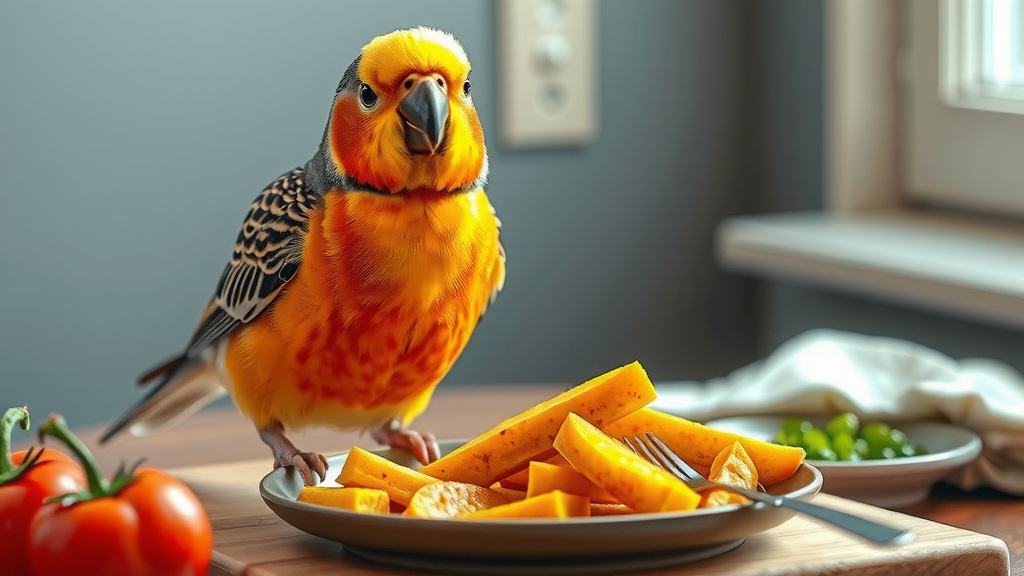
Other excellent vegetable options include carrots, bell peppers, broccoli, and sweet potatoes. These can be offered raw or lightly steamed. Steaming can make them easier to digest for some birds. The variety is key here. Offering a colorful mix ensures they get a broad spectrum of nutrients. Aim to introduce new vegetables gradually to see what your bird prefers.
Fruits: Sweet Treats in Moderation
Fruits are a wonderful source of vitamins and antioxidants. They also add a touch of sweetness your bird might enjoy. However, fruits are generally higher in sugar than vegetables. Because of this, they should be offered in moderation. A good rule of thumb is to offer fruits less frequently than vegetables.
Safe fruit options include apples (seeds removed, as they contain cyanide), berries, melons, and bananas. Grapes can be given as a special treat. Always remove pits and seeds from fruits, as many contain toxic compounds. Like vegetables, fruits should be washed well. A small portion of fruit a few times a week is usually sufficient.
Foods to Absolutely Avoid: Safety First!
This is a critical part of bird nutrition. Some common human foods are highly toxic to birds. Even small amounts can cause severe health problems or even be fatal. It’s important to be vigilant and know what’s off-limits. We’ve compiled a list of some of the most dangerous foods for your pet bird.
Avocado is extremely toxic to birds. It contains a persin toxin that can affect their heart and respiratory system. Even small amounts can be deadly. Another dangerous item is **chocolate**. The theobromine in chocolate is harmful to their delicate systems. **Caffeine** found in coffee, tea, and soda can also be dangerous. It can lead to hyperactivity, heart problems, and tremors.
Other High-Risk Foods
You should also avoid feeding your bird **onions and garlic**. These can cause digestive upset and even damage red blood cells. **Alcohol and anything caffeinated** are also strictly forbidden. **Salty and fatty foods** are bad for birds, just like they are for humans. Limit processed snacks and fried foods. **Xylitol**, an artificial sweetener, is incredibly dangerous and can cause liver failure. Many dentists recommend it, but never give it to your bird.
Creating a Varied and Safe Bird Menu: A Checklist
To help you get started, here’s a simple checklist. It covers the main food groups to consider for your bird’s diet:
- Select a high-quality, species-appropriate pellet as the food base.
- Offer a daily serving of mixed, washed fresh vegetables, especially leafy greens.
- Provide small portions of safe fruits a few times per week.
- Ensure fresh, clean water is always available.
- Never feed your bird avocado, chocolate, or anything containing caffeine.
- Consult your avian veterinarian for personalized dietary advice.
Understanding Your Bird’s Specific Needs
It’s wonderful that you’re taking the time to learn about your bird’s diet. Every bird is an individual. Their dietary needs can change based on their species, age, and health status. For example, a budgie’s diet might differ slightly from a macaw’s. Always consult with an avian veterinarian. They can provide tailored recommendations.
Your vet is the best resource for understanding your bird’s nutritional requirements. They can help you identify any specific vitamin or mineral needs. They can also advise on portion sizes and introduce new foods safely. Building a trusting relationship with your vet ensures your bird receives the best possible care. This helps them live a long, vibrant life by your side.
Conclusion
You’ve learned so much about keeping your feathered friend healthy through diet. Remember, a good bird diet centers on high-quality pellets. Adding fresh vegetables and offering fruits in moderation provides essential nutrients. Always be vigilant about avoiding toxic foods like avocado and chocolate. Your commitment to providing a safe and balanced diet directly impacts your bird’s happiness and longevity. The most important next step is to schedule a check-up with your avian veterinarian. They can help you create the perfect, personalized diet plan for your unique bird.
Frequently Asked Questions
What percentage of my bird’s diet should be pellets?
As a general guideline, pellets should make up about 60-80% of your bird’s diet. This ensures they receive a consistent base of essential vitamins and minerals. Your avian vet can help you fine-tune this percentage based on your bird’s specific needs.
How often should I feed my bird fresh vegetables and fruits?
Fresh vegetables should be offered daily, with a good variety of colors and types. Fruits, being higher in sugar, are best given in moderation, perhaps a few times a week. Always ensure all fresh foods are washed thoroughly before serving.
Are seeds a good primary food source for my bird?
No, seeds should not be the primary food source. While birds often love seeds, they are typically high in fat and lack many essential nutrients. Relying heavily on seeds can lead to nutritional deficiencies and health problems.
Can I feed my bird table scraps from my meals?
Generally, it’s best to avoid feeding your bird table scraps. Many human foods are too salty, fatty, or contain ingredients that are harmful to birds. It’s safer to stick to bird-specific foods and safe fresh options.
How do I introduce new foods to my picky bird?
Introducing new foods can take patience. Try offering a new food in a different way, like finely chopped or mixed with a favorite food. You might need to offer it multiple times over several days or weeks before your bird accepts it.