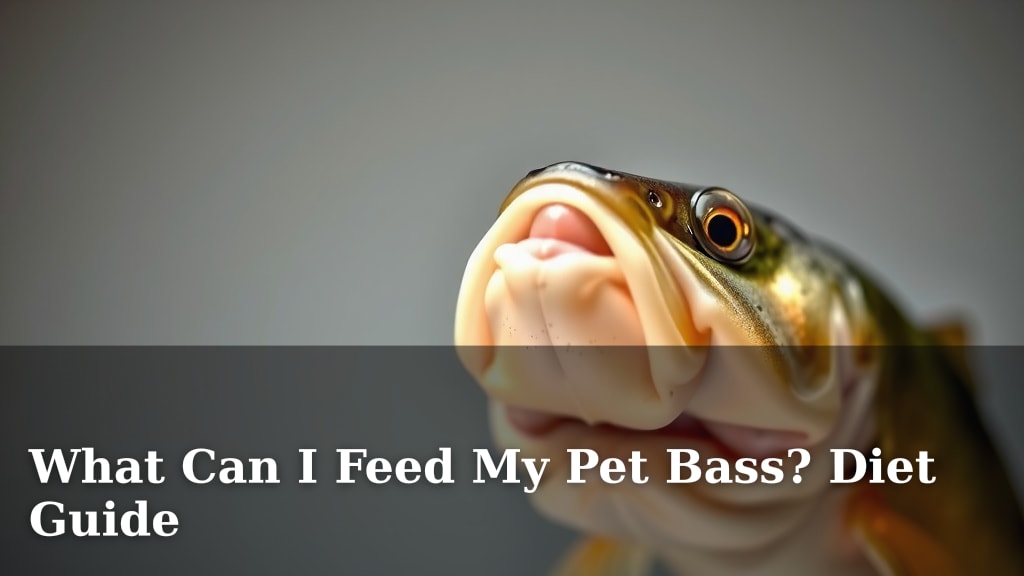
What Can I Feed My Pet Bass? Diet Guide
Feeding your pet bass means giving them a diet that mimics what they eat in the wild. Primarily, this includes a variety of live or frozen small fish and invertebrates. You want to offer a balanced mix to ensure they get all the nutrients they need. A healthy diet keeps your aquatic friend happy and thriving.
Beyond the usual suspects, some owners supplement with specialized pellets designed for carnivorous fish. It’s important to avoid feeding them things they can’t digest easily, like human food. Research shows that a varied diet, rich in protein, is key to their well-being.
- Offer live or frozen small fish.
- Include invertebrates like shrimp.
- Consider specialized carnivorous fish pellets.
- Avoid feeding human food.
- Ensure a protein-rich, varied diet.
Ready to learn more about keeping your pet bass healthy and well-fed? Let’s dive into the specifics of what you can offer them.
Fueling Your Pet Bass: A Comprehensive Diet Guide
You want your pet bass to be healthy and happy. What you feed them plays a huge role. It’s not just about filling their bellies. It’s about providing the right nutrition. Think of it like choosing the best food for your dog or cat. You wouldn’t just give them anything, right? Your bass deserves the same thoughtful approach.
In the wild, bass are opportunistic predators. Their diet is packed with protein. They eat what they can catch. This usually includes smaller fish and aquatic insects. We can mimic this natural diet in your home aquarium. This helps ensure they get all the nutrients they need to thrive.
The Foundation: Live and Frozen Foods
The absolute best food for your pet bass is often live or frozen prey. This is what they’re biologically programmed to eat. It provides essential nutrients that are easily digestible. Plus, it satisfies their natural hunting instincts. Watching your bass chase down a meal can be quite entertaining!
Live Options
Live food is ideal because it retains all its nutritional value. It also encourages natural hunting behavior. Some common live food options include:
- Small feeder fish: Guppies, minnows, or even ghost shrimp are good choices. Always ensure the feeder fish are healthy and disease-free. We don’t want any unwanted pests in your tank.
- Insects: Earthworms (cut into small pieces), crickets, or bloodworms can be offered. Just be sure they haven’t been exposed to pesticides.
It’s important to feed live food sparingly. You want to avoid overfeeding. Too much can lead to a dirty tank. Also, some live foods might carry parasites. It’s a good practice to quarantine new feeder fish before adding them to your bass’s tank.
Frozen Favorites
Frozen foods are a fantastic, convenient alternative to live prey. They are often flash-frozen, which preserves most of their nutrients. They are also generally safer, as parasites and bacteria are killed during the freezing process. Some popular frozen options include:
- Frozen Mysis shrimp: These are small crustaceans packed with protein and beneficial fatty acids. Your bass will likely go wild for them.
- Frozen bloodworms: Another invertebrate favorite that bass often find irresistible.
- Frozen silversides or smelt: These are small fish that bass love. You might need to cut them into bite-sized pieces, especially for younger fish.
When feeding frozen foods, thaw them completely in a little tank water or dechlorinated water before serving. Never feed your bass frozen food directly from the freezer. It can shock their system and cause internal damage. You want them to enjoy their meal, not suffer from it.
When to Introduce Pellets and Supplements
While live and frozen foods are excellent, you might consider supplementing their diet. Especially as your bass grows or if you can’t always source live prey. Specialized pellets can offer a balanced nutritional profile.
Carnivorous Fish Pellets
Many fish keepers use high-quality, sinking pellets designed for carnivorous fish. These pellets are formulated to provide a complete diet. They contain protein, vitamins, and minerals that bass need. Look for brands that list fish or fish meal as the primary ingredient. Research suggests that a diet rich in animal protein is essential for predatory fish like bass (NCBI).
When introducing pellets, start slowly. Offer them a few times a week alongside their regular diet. Some picky eaters might take time to adjust. You can try coating the pellets with a little bit of liquid fish food or garlic scent. This can make them more appealing. Ensure the pellets are the right size for your bass. You don’t want them struggling to swallow or choking.
Nutritional Boosters
Occasionally, you might want to add a nutritional boost. This is particularly true if you’re feeding a lot of one type of food. Things like vitamin supplements designed for aquarium fish can be added to their food. This can help fill any nutritional gaps. Many experts recommend occasional supplementation, especially for captive fish (Aquarium Nutrition Guidelines).
You can also use things like liquid garlic or fish oil. These can be added to frozen foods before feeding. Garlic can act as an appetite stimulant. Fish oil provides essential omega-3 fatty acids. These are great for overall health and immune function. Just be careful not to overdo it. Too much oil can make the water cloudy.
Foods to Absolutely Avoid
Just as important as knowing what to feed your bass is knowing what not to feed them. Some things might seem harmless, but they can actually be detrimental to your fish’s health.
The Human Food Pitfalls
You might be tempted to toss a bit of your own food into the tank. Please don’t! Human food is not formulated for fish. It can contain salt, spices, and other ingredients that are harmful. Bread, for example, can expand in their stomachs and cause blockages. It offers little to no nutritional value for your bass.
Digestive Nightmares
Avoid feeding foods that are difficult for fish to digest. This includes anything with scales or bones that are too large for them to handle. Cooked meats can also be problematic. They can break down and foul the water quickly. Stick to foods that mimic their natural prey. This is your safest bet for a healthy, happy bass.
Establishing a Feeding Routine
Consistency is key when it comes to feeding your pet bass. Establishing a regular schedule helps their digestion and reduces stress.
Frequency and Quantity
Younger, growing bass will need to eat more often. They can typically be fed small amounts once or twice a day. Adult bass are less active and have slower metabolisms. They might only need to be fed every other day, or even a few times a week. We found that overfeeding is a common mistake. It’s better to underfeed slightly than to overfeed.
A good rule of thumb is to feed only what your bass can consume in about 2-3 minutes. Remove any uneaten food after this time. This helps keep the water quality pristine. Observing your bass’s appetite can also guide you. If they seem uninterested, they might be getting too much food.
A Quick Feeding Checklist for Your Bass
Here’s a handy checklist to keep your bass’s diet on track:
- Always offer high-quality protein sources.
- Vary their diet with different types of prey.
- Feed only what they can eat in a few minutes.
- Thaw frozen foods completely before serving.
- Observe your fish for signs of over or underfeeding.
- Remove any uneaten food promptly.
Conclusion
Providing your pet bass with the right diet is fundamental to their health and happiness. You’ve learned that mimicking their natural prey with live or frozen foods is key. Balancing this with specialized carnivorous fish pellets can ensure complete nutrition. Always remember to avoid human foods and anything hard to digest, as this can harm your fish and pollute their tank. Now, you’re well-equipped to create a feeding plan that will help your bass thrive. Start by observing your bass’s appetite and adjusting food amounts to fit their needs, ensuring a clean and healthy environment for them.
Frequently Asked Questions
How often should I feed my pet bass?
For young bass, feeding once or twice a day is usually appropriate. Adult bass, with slower metabolisms, can often be fed every other day or just a few times a week. Research suggests overfeeding is a common issue, so it’s best to err on the side of feeding slightly less.
Can I feed my bass goldfish or other feeder fish?
Yes, small feeder fish like guppies or minnows can be a good food source. It’s vital to ensure these feeder fish are healthy and disease-free before offering them to your bass. Quarantine new fish if possible to prevent introducing parasites into your main tank.
Is it okay to feed my bass frozen shrimp?
Frozen Mysis shrimp and other types of frozen shrimp are excellent choices for your pet bass. They are packed with protein and beneficial nutrients. Always thaw frozen foods completely in some tank water before feeding them to your fish to avoid shocking their system.
What human foods are dangerous for bass?
You should never feed your bass human food. Items like bread can expand in their stomachs and cause blockages, offering no nutritional value. Salty or seasoned human foods can also be toxic to fish and lead to serious health problems.
How do I get my bass to eat fish pellets?
Some bass can be picky about pellets. You can try coating the sinking pellets with a little liquid garlic or fish food to make them more appealing. Start by offering pellets a few times a week alongside their regular diet and be patient as they adjust.