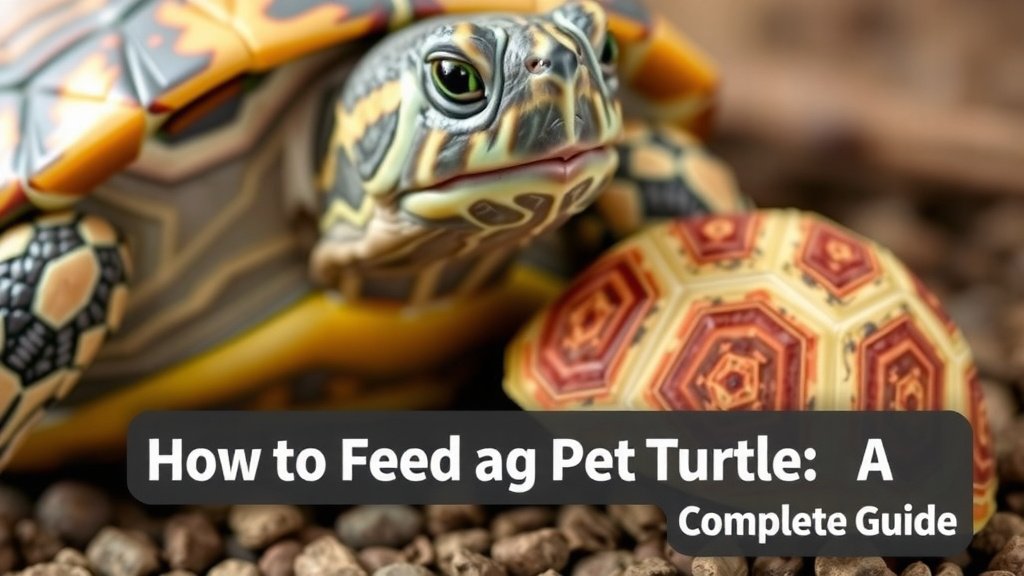
How to Feed a Pet Turtle: Complete Guide
Feeding your pet turtle properly is key to their health and happiness. To feed a pet turtle, you should offer a diet of commercial turtle pellets, fresh vegetables, and occasional protein sources like insects or small fish. Always research your specific turtle species, as dietary needs can vary greatly.
Understanding what your turtle eats is more than just filling a bowl. It’s about providing the right nutrition for a long, healthy life. We found that providing a varied diet helps prevent deficiencies and keeps them engaged.
- Offer commercial turtle pellets as a base.
- Include fresh, leafy greens and other turtle-safe vegetables.
- Supplement with protein sources like feeder insects or small fish.
- Always research your turtle’s specific species for precise dietary needs.
Ready to become a turtle nutrition expert? Let’s walk through exactly what to feed your shelled friend to keep them thriving!
Feeding Your Pet Turtle: A Complete Nutrition Guide
Figuring out what to feed your turtle can feel like a puzzle. You want them to be healthy and happy, right? We found that understanding their diet is key to a long and vibrant life for your shelled friend.
Understanding Your Turtle’s Dietary Needs
Not all turtles eat the same things. It’s like how people have different favorite foods. Your turtle’s diet depends a lot on their species and life stage. Some turtles are herbivores, meaning they eat plants. Others are carnivores, preferring meat. Many are omnivores, enjoying a bit of both.
Species-Specific Diets are Crucial
Before you buy any food, do your homework! A red-eared slider has very different needs than a box turtle. We found that researching your specific turtle species is the most important first step. Knowing their natural habitat helps us understand what they’d eat in the wild. This helps you mimic their ideal diet in captivity.
Life Stage Matters for Nutrition
Baby turtles are growing and need more protein. Adult turtles might need more vegetables and calcium. We found that consulting reliable sources, like veterinary guides or experienced keepers, can help you tailor the diet. Always check if your turtle is a hatchling, juvenile, or adult when planning meals. This ensures they get the right building blocks for growth and maintenance.
Building a Balanced Turtle Diet
A good diet for your turtle is like a healthy meal for you. It should have a variety of food groups. This variety helps prevent health problems and keeps your turtle interested in mealtime. We found that a mix of commercial foods and fresh items is often best.
The Role of Commercial Turtle Pellets
Commercial turtle pellets are a convenient base for many diets. They are made to provide balanced nutrition. Many experts say good quality pellets offer essential vitamins and minerals (National Aquatic Veterinary Medical Association).
- Look for pellets specifically formulated for your turtle’s species.
- Choose brands that have a good reputation for quality ingredients.
- Pellets should make up about 25% to 50% of their overall diet.
We found that not all pellets are created equal. Some may have fillers or lack certain nutrients. It’s wise to read the ingredient list. Look for whole food ingredients rather than artificial colors or preservatives.
Incorporating Fresh Vegetables and Greens
Fresh veggies are a super important part of your turtle’s diet, especially for herbivores and omnivores. They provide fiber, vitamins, and minerals. We found that offering a good variety keeps things interesting and ensures broad nutrient intake.
Leafy Greens: The Superstar Veggies
Dark, leafy greens are a turtle’s best friend. Think romaine lettuce, dandelion greens, and collard greens. These are packed with nutrients. Many veterinarians recommend these as a staple (American Veterinary Medical Association).
Avoid iceberg lettuce, as it has little nutritional value. We found that feeding a mix of different greens is better than sticking to just one. This helps avoid nutrient imbalances.
Other Turtle-Safe Vegetables
Beyond leafy greens, other vegetables are great additions. Carrots, squash, and green beans are often well-received. Offer them in moderation. We found that chopping vegetables into bite-sized pieces makes them easier for your turtle to eat. This also helps prevent choking hazards.
Protein Sources: For the Carnivores and Omnivores
Protein is vital, especially for young turtles. For omnivores and carnivores, insects and small fish can be excellent sources. We found that feeding live prey can also provide mental stimulation for your turtle.
Feeder Insects: A Natural Choice
Crickets, mealworms, and earthworms are popular choices. Ensure these insects are gut-loaded. This means feeding them nutritious food before offering them to your turtle. This transfers nutrients to your turtle. We found that some turtles can become picky eaters if only offered one type of insect.
Small Fish and Aquatic Foods
Guppies, minnows, or ghost shrimp can be fed to some species. Avoid fish with thiaminase, like goldfish. Thiaminase can break down vitamin B1. We found that feeding too much fatty fish can lead to obesity. Offer these as occasional treats rather than a daily food.
Foods to Absolutely Avoid
Just as important as knowing what to feed is knowing what not to feed your turtle. Some common human foods can be harmful. We found that a strict “no-fly zone” for certain items keeps your turtle safe.
- Dairy products: Turtles are lactose intolerant.
- Processed foods: These lack nutrients and can cause digestive issues.
- Certain plants: Some common houseplants are toxic to turtles. Always double-check if a plant is safe.
- Avocado: This fruit is toxic to many animals, including turtles.
- Onions and garlic: These can be harmful to your turtle’s digestive system.
We found that when in doubt, it’s always best to leave it out. A quick search for “turtle-safe plants” or “foods toxic to turtles” can save a lot of trouble.
Feeding Schedule and Portions
How often and how much you feed your turtle matters. Overfeeding can lead to health problems like obesity and shell issues. Underfeeding can cause malnutrition. We found that a consistent schedule helps regulate their digestion.
How Often Should You Feed?
Young, growing turtles often benefit from being fed daily. Adult turtles, on the other hand, may only need feeding every other day. Some experts suggest feeding adult aquatic turtles 3-5 times a week (Aquatic Turtle Care Guide). Your research on your specific species is key here. Many keepers find that a schedule of feeding every other day works well for adults.
How Much Should You Offer?
A good rule of thumb for pellets is to offer only what your turtle can eat in about 5-10 minutes. For vegetables and other foods, offer a portion that seems reasonable for their size. We found that it’s better to offer slightly less and see if they finish it. You can always add a little more if they are still hungry. Remove any uneaten food after 15-20 minutes. This helps keep the tank clean.
Consider using a checklist to stay on track:
- Research your turtle’s specific species.
- Offer a base of quality commercial pellets.
- Include a variety of fresh, dark leafy greens.
- Supplement with safe protein sources as needed.
- Remove uneaten food promptly after feeding.
- Monitor your turtle’s weight and activity levels.
Paying attention to these details ensures your turtle gets exactly what they need to thrive. You’re doing a great job by learning all this!
Conclusion
You’ve learned how to provide your pet turtle with a healthy, varied diet. Remember that species-specific research is your guiding star. Offering a mix of quality commercial pellets, fresh greens, and appropriate protein sources will keep your turtle thriving. Always avoid harmful foods to ensure their well-being. Your commitment to proper nutrition is the best way to guarantee a long and happy life for your shelled friend. Now, take that knowledge and create a meal plan tailored just for your unique turtle!
Frequently Asked Questions
How can I tell if my turtle is getting enough to eat?
Observe your turtle’s activity level and appearance. A healthy turtle will be active and have clear eyes. Look for consistent weight gain or maintenance for their age and species. If you’re unsure, consult a reptile veterinarian for an assessment.
Is it okay to feed my turtle treats every day?
Treats should be given sparingly, not daily. Overfeeding treats can lead to nutritional imbalances and health problems like obesity. Stick to the recommended feeding schedule with their primary diet. Reserve treats for occasional rewards.
What’s the best way to introduce new foods to my turtle?
Introduce new foods slowly, mixing a small amount with their regular food. Monitor your turtle to see if they eat it and show no adverse reactions. Gradually increase the proportion of the new food if they accept it well. This prevents digestive upset.
Can I feed my turtle food scraps from my own meals?
Generally, no. Most human food scraps are not suitable for turtles and can be harmful. They often lack the necessary nutrients or contain ingredients that are toxic to turtles. Always stick to turtle-specific foods or those recommended by experts.
How important is calcium and vitamin D3 for my turtle?
Calcium and vitamin D3 are incredibly important for strong bones and shell development. Many turtle pellets are fortified, but proper supplementation through diet and UVB lighting is essential. Lack of these can lead to serious health issues like metabolic bone disease.