What Can I Feed My Pet Frog? Diet Guide
Feeding your pet frog the right diet is essential for their health. Most pet frogs eat insects and other small invertebrates, but the specific food depends on your frog’s species, size, and age. A varied diet ensures they get all the necessary nutrients.
It’s important to offer live prey that is appropriately sized for your frog. Gut-loading prey insects with vitamins and minerals before feeding is also a key practice. You’ll want to avoid foods that can be harmful or lack nutritional value for your amphibian friend. We’ve researched common frog diets to help you out.
- Most frogs eat live insects like crickets and mealworms.
- The best food depends on your frog’s species and size.
- Always feed prey that is smaller than your frog’s head.
- Gut-load prey insects with supplements for added nutrition.
- Avoid feeding wild-caught insects or anything not specifically recommended.
Let’s walk through exactly what you can feed your pet frog to keep them happy and healthy!
Feeding Your Amphibian Friend: A Frog Diet Guide
Wondering what to feed your new pet frog? It’s a great question! Providing the right food is key to a healthy, happy frog. We’ve researched what most pet frogs thrive on.
Understanding Your Frog’s Needs
The type of food you offer depends heavily on your frog’s species. Some frogs are picky eaters, while others will try almost anything. You also need to consider your frog’s size and age. A tiny hatchling needs different food than a large adult bullfrog.
Species-Specific Diets
For example, arboreal frogs, which live in trees, might prefer flying insects. Aquatic frogs, living in water, often go for sinking pellets or aquatic invertebrates. Researching your specific frog species is your first and most important step. Many amphibian websites and pet store resources can help you identify what your frog needs.
Age and Size Matter
Baby frogs, or froglets, need smaller prey items than adult frogs. Think of it like feeding a baby bird versus a grown pigeon. Prey that is too large can cause choking or digestive issues. Always ensure the food item is smaller than your frog’s head. This is a golden rule in frog feeding we found is universally recommended.
What to Feed Your Pet Frog: The Staples
The majority of pet frogs are insectivores. This means their diet primarily consists of insects and other small invertebrates. Offering a varied diet is essential for them to get a full range of nutrients.
Live Prey is Best
Most frogs need to eat live food. They are often attracted to movement. This hunting instinct is natural for them. It keeps them active and engaged. Static, dead food might not even be recognized as a meal. It’s like a cat playing with a toy mouse; they need that motion!
Commonly Recommended Insects
Here are some of the most popular and nutritious prey items for pet frogs:
- Crickets: These are a staple for many frog species. You can buy them at pet stores.
- Mealworms: Another common choice, though they are higher in fat. Feed them in moderation.
- Dubia Roaches: These are highly nutritious and less likely to jump away. They are a great option for many frogs.
- Waxworms: These are very fatty and should be given as occasional treats, not a main food source.
- Black Soldier Fly Larvae (BSFL): These are packed with calcium and are a fantastic gut-load option.
Appropriate Prey Size Guide
As we mentioned, size is critical. Here’s a simple guide we found helpful:
| Frog Size | Recommended Prey Size |
|---|---|
| Tiny froglets (under 1 inch) | Pinhead crickets, small fruit flies |
| Small frogs (1-2 inches) | Small to medium crickets, small roaches |
| Medium frogs (2-4 inches) | Medium to large crickets, medium roaches, mealworms |
| Large frogs (4+ inches) | Large crickets, large roaches, superworms, pinky mice (for very large species only, sparingly) |
Gut-Loading: The Secret Ingredient
Simply feeding insects isn’t enough. The nutritional value of your frog’s diet comes from what the insects eat! This process is called gut-loading. You feed the insects nutritious food for 24-48 hours before feeding them to your frog. This transfers those nutrients to your frog. Many experts recommend this practice (University of Illinois Extension).
What to Gut-Load With
You can gut-load insects with a variety of healthy foods. Good options include fresh vegetables like dark leafy greens (kale, spinach), carrots, sweet potatoes. You can also buy commercial gut-loading diets from pet stores. These are specially formulated to provide a balanced mix of vitamins and minerals.
Supplements: Adding Extra Goodness
Even with gut-loading, you may need to supplement your frog’s diet, especially with calcium and vitamins. Many frog owners dust their live prey with a calcium powder, usually one that contains Vitamin D3. This is especially important for younger, growing frogs and females who might lay eggs.
Calcium and Vitamin D3
Calcium is vital for strong bones. Vitamin D3 helps their bodies absorb calcium. You can buy reptile and amphibian calcium powders at most pet stores. Dust the insects lightly with the powder just before feeding them to your frog. A common recommendation is to dust 2-3 times a week, but always check specific guidelines for your frog species.
Multivitamins
In addition to calcium, a good amphibian multivitamin can be beneficial. Use multivitamins sparingly, perhaps once a week, as too much can be harmful. Over-supplementation can lead to health problems, so it’s a balance.
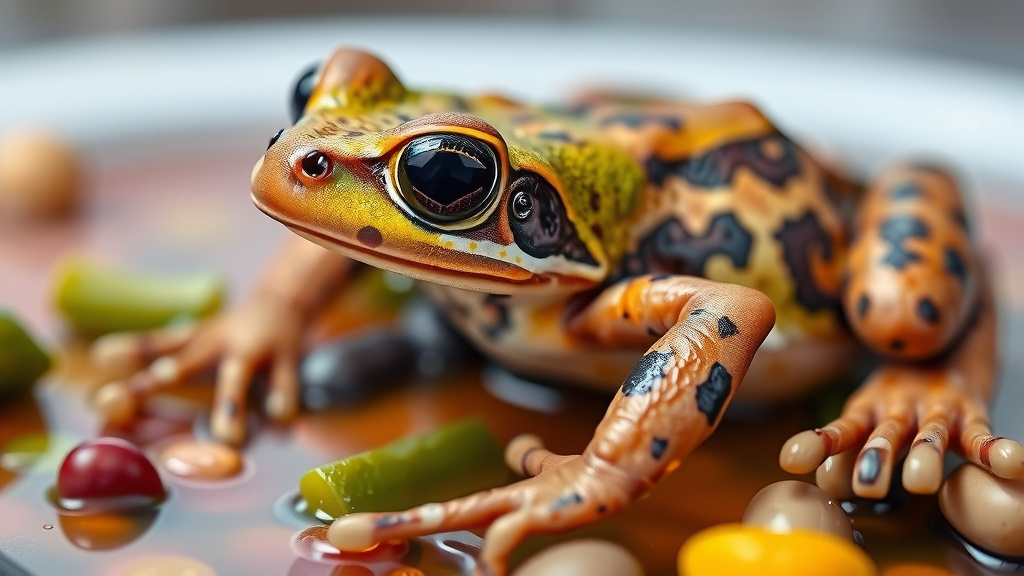
What to AVOID Feeding Your Frog
Just as important as knowing what to feed your frog is knowing what to avoid. Some foods can be harmful or even deadly.
Never Feed Wild-Caught Insects
It might seem like an easy source of food, but feeding your frog insects caught from your backyard is risky. Wild insects can carry pesticides, parasites, or diseases. These can make your pet frog very sick. Stick to insects from a reputable pet store or breeder.
Human Food is a No-Go
Do not feed your frog any human food. Foods like bread, dairy, cooked meats, or sugary snacks are completely unsuitable. Their digestive systems are not designed to process these items. This can lead to severe health issues.
Foods to Be Cautious Of
Some common feeder insects, like mealworms and waxworms, are high in fat and phosphorus. While okay in moderation, they shouldn’t be the main food. Too much phosphorus can interfere with calcium absorption. Variety and moderation are key!
Frog Feeding Checklist
To help you keep track, here’s a quick checklist for a healthy frog diet:
- Choose live prey that’s smaller than your frog’s head.
- Offer a variety of appropriate feeder insects.
- Gut-load insects for 24-48 hours before feeding.
- Dust prey with calcium (with D3) regularly.
- Supplement with multivitamins sparingly.
- Never feed wild-caught insects or human food.
Conclusion
Feeding your pet frog a balanced diet is a cornerstone of their well-being. Remember that a varied menu of live, appropriately sized prey is key, supplemented by careful gut-loading and occasional dusting with calcium and vitamins. Always do your research on your specific frog species’ needs and steer clear of risky foods like wild insects or human snacks. By following these guidelines, you’re setting your amphibian friend up for a long, healthy, and active life. Your next step? Double-check the species requirements for your unique frog and stock up on quality feeder insects!
Frequently Asked Questions
How often should I feed my pet frog?
Feeding frequency varies by frog species, age, and size. Younger frogs typically eat daily, while adult frogs may only need feeding every 2-3 days. It’s best to observe your frog and research their specific dietary schedule.
Can I feed my frog frozen insects?
Most frogs require live prey due to their hunting instincts, which are triggered by movement. Frozen or pre-killed insects may not be recognized as food and are generally not recommended as a primary food source.
What should I do if my frog isn’t eating?
If your frog stops eating, check the temperature and humidity in their enclosure, ensure the prey is appropriately sized and live, and confirm you’re offering a varied diet. Consult a reptile or amphibian veterinarian if the issue persists.
Are fruit flies a good food for all frogs?
Fruit flies are excellent for very small froglets and certain tiny species. However, larger frog species will quickly outgrow fruit flies and require larger prey items like crickets or roaches. Always match prey size to your frog’s mouth size.
How do I know if my frog is getting enough calcium?
Signs of calcium deficiency in frogs can include weak bones, twitching, or paralysis. Regular dusting of feeder insects with a calcium supplement containing Vitamin D3 is crucial, especially for young, growing, and egg-laying females, to prevent these issues.