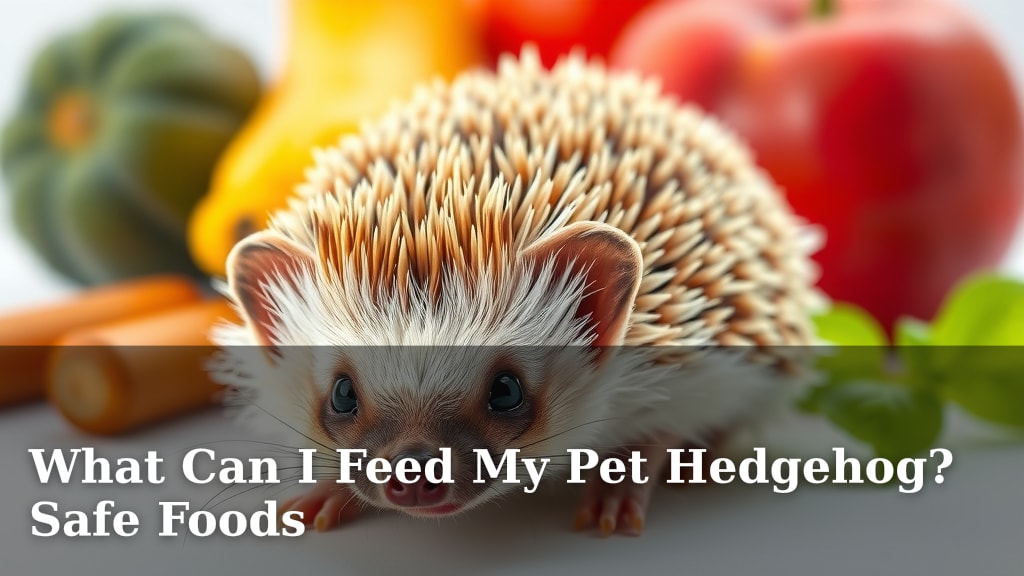
What Can I Feed My Pet Hedgehog? Safe Foods
Yes, you can feed your pet hedgehog a variety of safe and healthy foods, but it requires careful selection. The cornerstone of a hedgehog’s diet should be high-quality commercial hedgehog food or a dry cat food with low fat and high protein. You also need to supplement this with a range of insects and occasional small portions of cooked, plain meats or vegetables. Always ensure foods are cooked thoroughly if applicable and served at room temperature.
Understanding what your prickly pal can and cannot eat is key to their well-being. While insects form a natural part of their diet, not all bugs are created equal, and there are many common household foods that can be harmful or even toxic to hedgehogs. We found that offering a varied, balanced diet is essential for their long-term health, helping to prevent issues like obesity and digestive upset.
- Hedgehog diet: Primarily commercial hedgehog food or high-protein, low-fat cat food.
- Insects: Gut-loaded crickets, mealworms, and waxworms are good choices.
- Treats: Small amounts of cooked chicken, turkey, or scrambled eggs (plain).
- Safe veggies/fruits: Tiny pieces of apple, banana, peas, or carrots.
- Foods to avoid: Dairy, nuts, seeds, raw meat, and anything spicy or salty.
Ready to become a hedgehog feeding expert? Let’s break down exactly what foods are safe and what you should keep far away from your little spiky friend.
“`htmlFeeding Your Hedgehog: A Guide to Safe and Nutritious Foods
When it comes to your hedgehog’s diet, variety is the spice of life, but safety is always the main course. You want to ensure your prickly friend gets all the nutrients they need without any tummy troubles. We found that a well-balanced diet is key to their overall health and happiness.
The Foundation of Your Hedgehog’s Diet
The best place to start is with a high-quality commercial hedgehog food. This is formulated to provide the right balance of protein, fat, and other essential nutrients. If you can’t find hedgehog-specific food, don’t worry. We found that a good quality dry cat food can be a suitable alternative. Just make sure it’s low in fat and high in protein. Look for brands with meat as the primary ingredient. This helps mimic what they would eat in the wild and provides a solid base for their meals.
Choosing the Right Commercial Food
When selecting commercial food, read the labels carefully. You’re looking for a protein content around 30-35% and a fat content below 10-15%. This is because hedgehogs can be prone to obesity if their diet is too fatty. We found that brands that list chicken, lamb, or turkey as the first ingredient are often excellent choices. Avoid foods with a lot of corn or other fillers at the top of the ingredient list.
Insects: The Natural Treat Your Hedgehog Loves
Insects are a natural and vital part of a hedgehog’s diet. They provide essential protein and are a great way to enrich your pet’s life. Offering insects can also encourage natural foraging behaviors. It’s like a fun treasure hunt for them!
Safe Insect Options
There are several types of insects that are safe and nutritious for your hedgehog. Gut-loaded crickets are a fantastic choice. Gut-loading means feeding the insects nutritious food before giving them to your pet. This passes those nutrients on to your hedgehog. Mealworms are also popular, but they are higher in fat and phosphorus. So, offer them in moderation. Waxworms are a treat; they are very high in fat and should only be given very rarely. We found that keeping insects in a separate dish can prevent them from getting lost in your hedgehog’s bedding.
How Often to Feed Insects
You can offer insects a few times a week as a supplement to their main food. About 2-3 medium-sized insects per feeding is usually sufficient. It’s important to make sure the insects are from a reputable source. You don’t want to feed them wild-caught insects, as these can carry parasites or pesticides. Many pet stores offer appropriate feeder insects.
Fruits and Vegetables: Small Portions for Variety
While insects and commercial food are the staples, small amounts of certain fruits and vegetables can be offered as occasional treats. These can add extra vitamins and minerals to their diet. However, they should never make up a large portion of what your hedgehog eats. Think of them as tiny additions, not the main event.
Safe Fruits to Offer
When it comes to fruits, keep it simple. Tiny pieces of apple (seeds and core removed, of course!) or banana can be given sparingly. A small piece of melon, like cantaloupe or watermelon (seedless), is also generally safe. Remember, fruits are high in sugar, so moderation is absolutely key. We found that offering a piece no bigger than your pinky nail is a good rule of thumb.
Safe Vegetables to Offer
For vegetables, think mild and non-starchy. Small amounts of cooked peas or carrots are usually well-tolerated. Cooked sweet potato or green beans (plain, no salt or butter) can also be offered in very small quantities. Always serve these at room temperature or slightly cooled. Raw, hard vegetables can be a choking hazard, so cooking them until soft is best. We found that many hedgehogs enjoy cooked broccoli florets, too!
Cooked Meats and Other Protein Sources
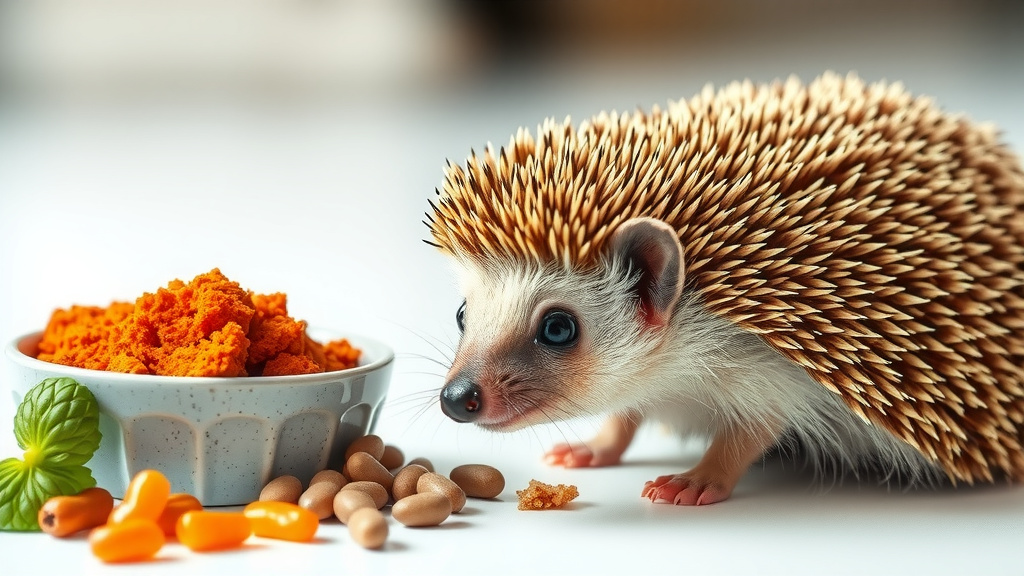
In addition to insects, small amounts of plain, cooked meats can be a good protein boost. These should be offered sparingly and without any seasonings. They are more of a special treat than a daily item.
What Meats Are Safe?
Plain, cooked chicken or turkey (like boiled or baked, unseasoned) is a great option. You can even offer a tiny bit of scrambled egg, cooked thoroughly and plain. Ensure there’s no added salt, pepper, or butter. The meat should be finely chopped or shredded to prevent choking. We found that ensuring the meat is completely cooled before serving is very important.
Foods to Absolutely Avoid
Just as important as knowing what to feed your hedgehog is knowing what to avoid. Some common foods that are safe for us can be dangerous or even toxic to hedgehogs. It’s best to err on the side of caution and stick to the approved list.
Commonly Mistaken “Safe” Foods to Skip
Dairy products like milk, cheese, or yogurt are a definite no-go. Hedgehogs are lactose intolerant, and these can cause severe digestive upset. Nuts and seeds are also dangerous. They pose a choking hazard and can cause internal blockages. Grapes and raisins are toxic to many animals, including hedgehogs, so keep them far away. Avocado is another food that can be toxic. We found that anything spicy, salty, or heavily seasoned should always be avoided.
Raw Meat and Other Hazards
Never feed your hedgehog raw meat. It can contain harmful bacteria like Salmonella. Also, avoid citrus fruits as their acidity can upset their delicate digestive system. Other items to avoid include onions, garlic, and chocolate (which is toxic to many pets). And while it might seem like a fun idea, never feed your hedgehog dog or cat food kibble that isn’t specifically formulated for them, as it often contains ingredients that aren’t appropriate.
Preparing and Serving Food Safely
Proper preparation is crucial. Always ensure that any cooked foods are served at room temperature. Hot food can burn your hedgehog’s mouth. Cold food can be a shock to their system. Cut all foods into small, manageable pieces. This helps prevent choking, especially for younger or older hedgehogs.
Water Access is Non-Negotiable
Fresh, clean water should always be available. You can use a heavy ceramic bowl that can’t be tipped over easily, or a sipper bottle. Some hedgehogs prefer one over the other. We found that checking the water source daily to ensure it’s clean and full is vital for their hydration.
Here’s a quick checklist for safe feeding:
- Always offer high-quality commercial hedgehog food or appropriate cat food.
- Supplement with gut-loaded insects a few times a week.
- Offer tiny portions of safe fruits and vegetables sparingly.
- Cooked, plain meats can be a small occasional treat.
- Ensure all food is cut into small, bite-sized pieces.
- Never feed dairy, nuts, seeds, raw meat, or toxic foods.
You’ve learned how to provide a balanced and safe diet for your pet hedgehog. Remember, the foundation should be a quality commercial food, supplemented with gut-loaded insects a few times a week. Tiny portions of safe fruits, vegetables, and cooked plain meats can offer variety. Always prioritize safety by avoiding harmful foods and preparing meals correctly. Your hedgehog’s health and happiness depend on your careful choices. Start implementing these feeding guidelines today to ensure your prickly friend thrives!
Frequently Asked Questions
How much commercial food should I feed my hedgehog daily?
We found that typically, you should offer about 1 to 2 tablespoons of high-quality hedgehog food or appropriate cat food per day. Adjust this amount based on your hedgehog’s age, activity level, and body condition. It’s best to provide this in the evening, as hedgehogs are nocturnal.
Can I feed my hedgehog any table scraps?
It’s generally best to avoid most table scraps. While small amounts of plain, cooked chicken or turkey can be offered as a rare treat, most human foods are too salty, fatty, or seasoned for a hedgehog’s delicate system. Always check if a food is safe before offering it.
What are the signs my hedgehog is eating a healthy diet?
A healthy diet will result in a hedgehog with good energy levels, a shiny coat, and a healthy weight. You shouldn’t notice excessive shedding or digestive issues like diarrhea. We found that consistent bowel movements are a good indicator of a well-functioning digestive system.
Is it okay to feed my hedgehog live insects?
While live insects can be exciting for your hedgehog, it’s safer to use insects from a reputable pet store source. This ensures they haven’t been exposed to pesticides or parasites. Gut-loading them beforehand adds extra nutritional benefits for your pet.
How do I introduce new foods to my hedgehog safely?
When introducing new foods, start with very small portions. Offer just a tiny piece of the new item alongside their regular food. Monitor your hedgehog for any adverse reactions like digestive upset or refusal to eat. We recommend introducing only one new food at a time.