What to Feed a Pet Catfish
Your pet catfish needs a varied diet to stay healthy and happy. You should feed them a combination of high-quality commercial catfish pellets, supplemented with frozen or live foods like brine shrimp or bloodworms. Remember, catfish are primarily bottom-feeders, so sinking foods are best.
While pellets form the base of their diet, variety is key to preventing nutritional deficiencies. Offering different types of food helps mimic their natural feeding behaviors and ensures they get a wide range of vitamins and minerals. It’s also a great way to make feeding time more interesting for your aquatic friend!
- Feed sinking catfish pellets regularly.
- Supplement with live or frozen foods.
- Avoid overfeeding; feed only what they can eat in a few minutes.
- Research your specific catfish species for dietary needs.
- Observe your fish for signs of good health.
Ready to give your catfish the best meal possible? Let’s dive into the specifics of what makes a healthy and delicious meal for your finned friend.
Feeding Your Pet Catfish: A Guide to Proper Nutrition
Your pet catfish needs a varied diet to stay healthy and happy. You should feed them a combination of high-quality commercial catfish pellets, supplemented with frozen or live foods like brine shrimp or bloodworms. Remember, catfish are primarily bottom-feeders, so sinking foods are best.
While pellets form the base of their diet, variety is key to preventing nutritional deficiencies. Offering different types of food helps mimic their natural feeding behaviors and ensures they get a wide range of vitamins and minerals. It’s also a great way to make feeding time more interesting for your aquatic friend!
Understanding Your Catfish’s Dietary Needs
Different catfish species have slightly different dietary requirements. It’s super important to know what kind of catfish you have. Some catfish are more omnivorous, while others lean towards being carnivorous or even herbivorous. Researching your specific species is the first step to success.
For example, a plecostomus, often called a “pleco,” has a much higher need for vegetable matter than many other catfish types. They often spend their days munching on algae wafers or even pieces of zucchini. This is different from a Corydoras catfish, which thrives on a more varied diet of sinking pellets and small invertebrates.
The Importance of Sinking Foods
Most pet catfish are bottom-dwellers. This means they naturally look for food along the substrate of your aquarium. You’ll often see them rooting around the gravel or sand. Because of this, it’s best to feed them foods that will sink to the bottom. Flake foods might just float at the top, and your catfish might miss out on a meal.
Sinking pellets are designed for this exact purpose. They break down slowly, giving your catfish plenty of time to find and consume them. This method also helps keep your water cleaner. Food that isn’t eaten quickly can foul the water. Nobody wants a messy tank!
Commercial Catfish Pellets: The Foundation
High-quality commercial catfish pellets should make up the bulk of your catfish’s diet. Look for brands that specifically mention being for bottom-feeders or catfish. These pellets are scientifically formulated to provide a balanced mix of protein, fats, vitamins, and minerals. They are the most convenient and reliable way to ensure your fish gets essential nutrients.
When choosing pellets, check the ingredient list. The first few ingredients should ideally be fish meal, shrimp meal, or other protein sources. Avoid pellets where fillers like wheat or corn are listed first. Many reputable brands are available, and sticking to a well-known one is a good bet.
Supplementing with Live and Frozen Foods
While pellets are great, variety keeps things interesting and healthy. Supplementing with live or frozen foods can provide extra protein and encourage natural foraging behaviors. Think of it as giving your catfish a special treat now and then!
Frozen Treats
Frozen foods are a fantastic option. They are nutritious and readily available at most fish stores. Popular choices include:
- Brine shrimp
- Bloodworms
- Mysis shrimp
- Daphnia
Always thaw frozen foods before feeding them to your fish. You can do this by placing a small portion in a cup of tank water for a few minutes. This prevents shocking your fish with a sudden temperature change. It also helps break down the food into smaller, more manageable pieces.
Live Foods
Live foods can be incredibly enticing for many fish. They stimulate hunting instincts and can be a great way to add variety. However, it’s important to be cautious with live foods.
Bloodworms and blackworms are common live food options. You can sometimes find them at local fish stores. If you decide to feed live foods, ensure they are sourced from a reputable supplier. This helps prevent introducing diseases or parasites into your aquarium. Parasites can be a serious problem for your fish’s health.
What to Avoid Feeding Your Catfish
Just like us, some foods aren’t good for your catfish. The most common mistake is feeding them flakes meant for other fish. These float and are not ideal for bottom-feeders. Also, avoid feeding any type of human food. Things like bread, cheese, or cooked meats can cause digestive issues and pollute your tank.
Overfeeding is another big no-no. It’s far better to underfeed than overfeed. Uneaten food will rot and degrade water quality. This can lead to ammonia spikes, which are toxic to your fish. A good rule of thumb is to feed only what your catfish can consume in about 2-3 minutes.
Feeding Schedule and Portion Control
How often should you feed your catfish? For most adult catfish, feeding once a day is usually sufficient. Younger, growing fish might benefit from two smaller feedings per day. Observe your fish; a healthy catfish will actively seek food when it’s offered.
If you find yourself clearing out a lot of uneaten food after a feeding, you’re probably feeding too much. Start with a small amount and gradually increase it if needed. It’s much easier to add more food than to remove excess that’s already in the tank.
Creating a Feeding Checklist
To help keep your catfish’s diet on track, consider using a simple checklist. This can be especially helpful if you have multiple fish or a busy schedule.
- Feed sinking pellets daily.
- Offer frozen or live food 1-2 times per week.
- Remove any uneaten food after 5 minutes.
- Check water parameters regularly.
- Observe fish for healthy behavior and appetite.
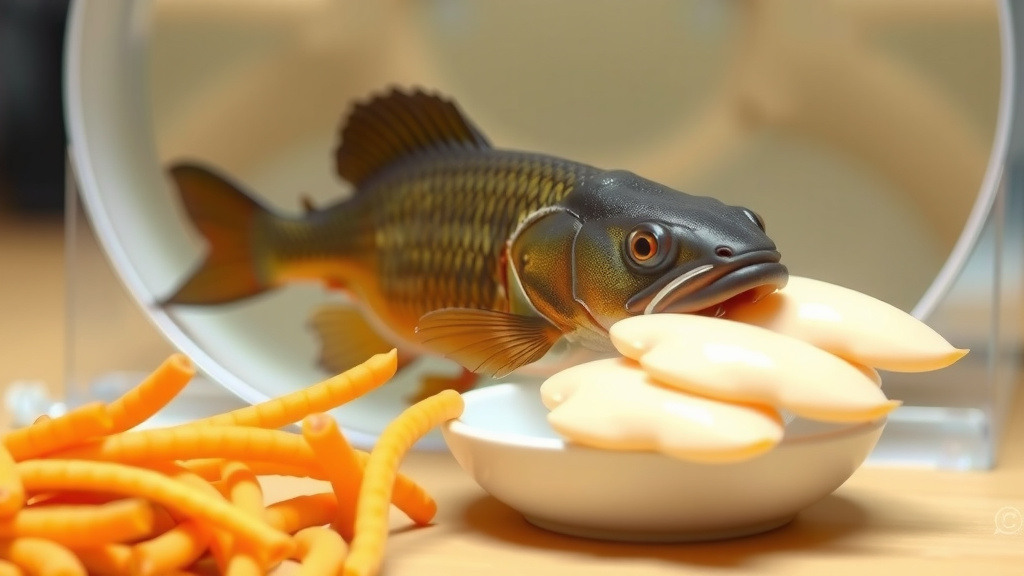
Observing Your Catfish for Health
The best indicator of a proper diet is a healthy, active fish. Look for clear eyes, smooth fins, and a good body shape. A fish that is constantly hiding, appears bloated, or seems lethargic might be experiencing dietary issues or illness. Your fish’s appearance and behavior tell a story about their well-being.
Many experts suggest a varied diet is key to preventing common fish diseases (NCBI). A well-fed fish has a stronger immune system. They are better equipped to fight off potential health threats. Pay attention to your catfish; they’ll let you know if something is wrong.
| Food Type | Pros | Cons |
|---|---|---|
| Sinking Pellets | Balanced nutrition, convenient, good for bottom-feeders. | Can be less exciting for fish if it’s the only food. |
| Frozen Brine Shrimp | High in protein, good treat, simulates natural food. | Needs thawing, can be messy if not eaten quickly. |
| Frozen Bloodworms | Excellent protein source, highly palatable for many fish. | Needs thawing, can cause issues if overfed. |
| Live Blackworms | Highly enticing, stimulates natural hunting behavior. | Risk of introducing parasites or diseases; requires careful sourcing. |
| Algae Wafers | Good for herbivorous or omnivorous species (like Plecos). | Not suitable as a primary food for most carnivorous catfish. |
Conclusion
Feeding your pet catfish is all about providing a balanced and varied diet. You’ve learned that high-quality sinking pellets form the essential base. Supplementing with frozen or live foods adds vital nutrients and keeps mealtime exciting. Always remember to research your specific catfish species for unique dietary needs and to avoid overfeeding. By paying attention to these details and observing your fish, you can ensure a long, healthy, and happy life for your aquatic friend. Start by checking the ingredients on your current catfish food and planning your next supplemental meal!
Frequently Asked Questions
How often should I feed my pet catfish?
For most adult catfish, feeding once a day is perfectly fine. Younger, growing fish might benefit from two smaller meals daily. It’s best to feed only what they can finish in about 2-3 minutes to prevent waste and water contamination.
Can I feed my catfish human food scraps?
No, you should never feed your catfish human food. Processed foods, bread, or cooked meats can cause digestive problems and severely pollute your aquarium water. Stick to fish-specific foods designed for their dietary needs.
What should I do if my catfish isn’t eating?
If your catfish stops eating, first check your water quality parameters. Then, try offering a different type of food, perhaps a tempting frozen or live option. A lack of appetite can sometimes indicate stress, illness, or an issue with the tank environment.
Are algae wafers a good primary food for all catfish?
Algae wafers are excellent for herbivorous or omnivorous species like Plecos, but they are not a suitable primary food for most carnivorous catfish. These types of catfish require more protein, so a varied diet of sinking pellets and meaty supplements is essential.
How can I tell if my catfish is getting enough to eat?
A healthy, well-fed catfish will be active and readily seek food when offered. Observe their body condition; they should have a rounded shape, not appear skinny or bloated. If they are alert and responsive, they are likely eating sufficiently.