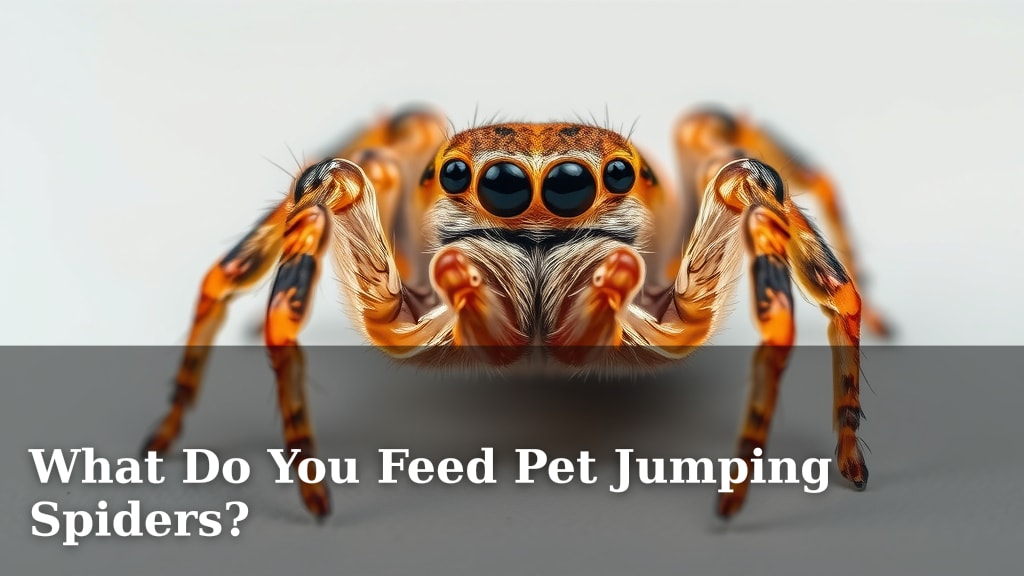
What Do You Feed Pet Jumping Spiders?
Feeding your pet jumping spider is simpler than you might think! You should feed them small insects like fruit flies, pinhead crickets, or tiny mealworms. These are excellent food sources for your tiny arachnid friend. Always make sure the prey is appropriately sized for your spider.
We found that offering a varied diet keeps your jumping spider healthy and happy. Avoid feeding them anything that is too large, as they could get hurt. It’s also important to ensure the insects you feed are ethically sourced and free from pesticides. Your little jumper deserves the best!
TL;DR:
- Jumping spiders eat small insects.
- Good options include fruit flies and pinhead crickets.
- Prey size is super important.
- Variety keeps them healthy.
- Use safe, pesticide-free food.
Let’s jump into the details of what makes a perfect meal for your jumping spider.
Feeding Your Pet Jumping Spider: A Guide to Their Diet
So, you’ve got a tiny jumping spider, and you’re wondering what to put on their plate? It’s not as complicated as you might think! These little hunters have specific needs, and meeting them ensures your spider stays healthy, active, and, well, jumpy!
The Jumping Spider’s Natural Diet
In the wild, jumping spiders are skilled predators. They hunt and eat small, live insects. Their diet usually consists of tiny flies, gnats, ants, and small beetles. They are active hunters, relying on their excellent eyesight and quick reflexes to catch their meals. This natural hunting behavior is something we try to replicate for our pet jumpers.
What to Offer Your Pet Jumping Spider
When you bring a jumping spider home, you become their primary food provider. Luckily, there are several readily available options that mimic their natural diet. The key is to offer prey that is appropriately sized for your spider’s current life stage.
Fruit Flies: The Classic Choice
Fruit flies are a favorite for many jumping spider keepers, especially for smaller or younger spiders. They are tiny, easily accessible, and readily accepted by most jumpers. You can often purchase fruit fly cultures from pet stores or online. It’s usually best to use flightless fruit flies so they don’t escape your spider’s enclosure. We found these to be a very reliable food source for tiny jumpers.
Pinhead Crickets: A Staple Food
Once your jumping spider grows a bit, pinhead crickets become an excellent option. These are baby crickets, just a few days old, making them a manageable size. Crickets are nutritious and are a good source of protein. You can find pinhead crickets at most reptile or exotic pet stores. Remember to gut-load your crickets before feeding them to your spider.
Other Small Insects to Consider
Beyond fruit flies and crickets, other tiny insects can supplement your spider’s diet. Some keepers offer small aphids or springtails, especially for very young spiders. Tiny mealworms or waxworms can also be offered occasionally, but only if they are very small and appropriate for the spider’s size. Variety is good, but always ensure the insect is smaller than your spider.
Sizing Up the Prey: It’s All About Proportion
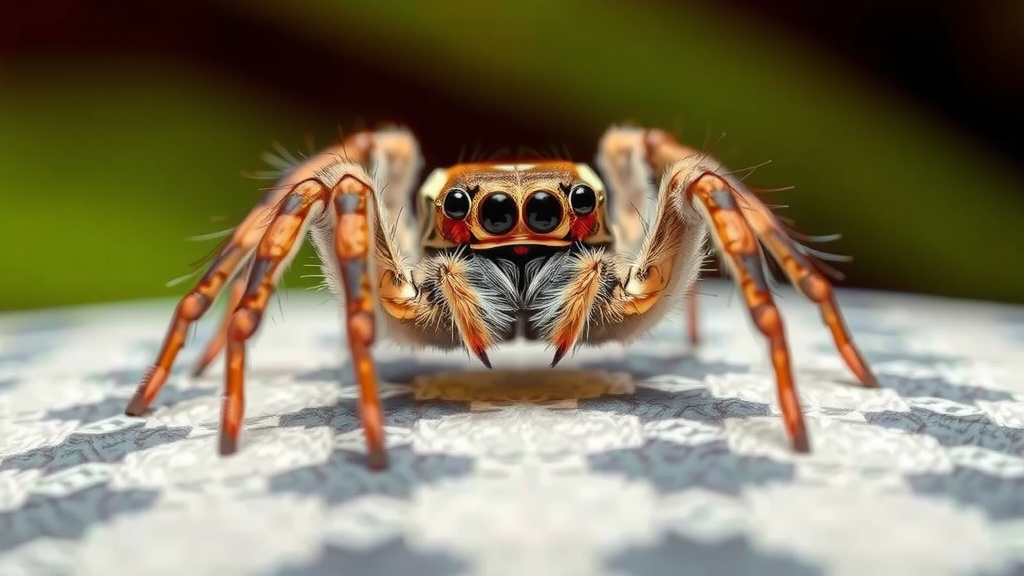
This is perhaps the most important rule when feeding your jumping spider. The prey you offer should never be larger than your spider’s body. If the insect is too big, your spider might try to eat it and get injured. They might also be too intimidated to hunt. A good rule of thumb is that the prey should be about half the size of your spider’s abdomen or smaller.
For Tiny Spiderlings
Spiderlings, or very young jumping spiders, need the smallest food available. This is where flightless fruit flies shine. They are tiny enough not to pose a threat but offer enough nutrition to help the spiderling grow. You might also find specially formulated spiderling food that consists of even smaller particles.
For Adult Jumping Spiders
Adult jumping spiders can handle slightly larger prey. Pinhead crickets are a good choice. If you can find even smaller juvenile crickets, those might also work. Remember, even adult jumpers prefer their prey to be smaller than their body size.
How Often Should You Feed Your Jumping Spider?
The feeding frequency depends on your spider’s age and how much they ate. Younger spiders need to eat more often to fuel their rapid growth. Adult spiders can go longer between meals.
Feeding Young Spiders
Spiderlings and juveniles may need to be fed every other day. You’ll notice their abdomen shrinking when they are hungry. If they have a nice, plump abdomen, they likely don’t need food just yet. We found that observing their abdomen size is the best indicator.
Feeding Adult Spiders
Adult jumping spiders are much more efficient eaters. They can often be fed 1-2 times per week. Again, always check their abdomen. A shrunken abdomen means it’s time to hunt! An overfed spider can also be unhealthy, so don’t overdo it.
Ensuring Safe and Healthy Food Sources
It’s vital to ensure the insects you feed your jumping spider are safe. Wild-caught insects can carry pesticides or parasites that can harm your spider. It’s always best to use captive-bred insects from a reputable supplier. This significantly reduces the risk of exposing your pet to harmful chemicals.
The Dangers of Pesticides
Even if you don’t see dead insects around, pesticides can be present. These chemicals are designed to kill insects and can be deadly to your jumping spider. If you ever catch insects yourself, be absolutely sure the area is free from any chemical treatments (CDC).
Gut-Loading Your Prey
For crickets and other larger feeder insects, “gut-loading” is a good practice. This means feeding the insects nutritious food for at least 24-48 hours before offering them to your spider. This transfers the nutrients from the gut-loading food to your spider. Good gut-loading foods include various vegetables like carrots, sweet potatoes, and commercial cricket food. Many experts recommend this practice.
What NOT to Feed Your Jumping Spider
While it might seem like a good idea, some things should never be fed to your jumping spider. Besides prey that is too large, avoid anything that might be toxic or harmful.
- Never feed wild-caught insects unless you are absolutely certain they are pesticide-free and disease-free.
- Avoid larger prey that could injure or overwhelm your spider.
- Do not feed dead prey unless it’s specially prepared and designed for spider feeding, as live prey stimulates their hunting instincts and provides better nutrition.
- Avoid insects that might bite or sting, like larger ants or bees.
Hydration for Your Tiny Friend
While not strictly “food,” providing water is essential. Jumping spiders get much of their hydration from their food, but they also need a water source. A tiny drop of water on the side of the enclosure or a specialized drinking source will suffice. Misting the enclosure lightly every few days also helps maintain humidity and provides water droplets for them to drink.
A Checklist for Happy Eaters
Here’s a quick rundown to keep your jumping spider well-fed:
- Always offer live prey that is appropriately sized.
- Use flightless fruit flies for spiderlings and small juveniles.
- Offer pinhead crickets for growing and adult spiders.
- Ensure prey is captive-bred and free from pesticides.
- Observe your spider’s abdomen for hunger cues.
- Provide a source of fresh water regularly.
Conclusion
Feeding your jumping spider is all about providing the right live insects in the correct sizes. We’ve learned that flightless fruit flies and pinhead crickets are excellent choices, especially when ensuring they are captive-bred and pesticide-free. Always prioritize prey size relative to your spider’s body to avoid injury. By observing your spider’s abdomen and offering food every few days for young ones or once or twice a week for adults, you’re on the right track. Keep up the great work providing a safe and nutritious diet for your tiny jumping friend, and continue to research their specific needs as they grow!
Frequently Asked Questions
How do I know if my jumping spider is hungry?
The best indicator is your spider’s abdomen. If it appears shrunken or deflated, your spider is likely hungry and ready for a meal. A plump, rounded abdomen means they have enough stored energy and don’t need food right away.
Can I feed my jumping spider dead insects?
While some specialized diets exist, it’s generally best to feed live prey. Live insects trigger your spider’s natural hunting instincts, which is essential for their well-being and encourages them to eat. Dead prey might not be as appealing or nutritious.
What should I do if my jumping spider doesn’t eat the insect I offer?
First, check the prey’s size; it might be too large. Ensure the insect is alive and moving, as this attracts your spider. If your spider recently ate or is preparing to molt, they may naturally refuse food for a period.
Is it okay to feed my jumping spider bugs I find in my garden?
It’s best to avoid feeding wild-caught insects. They can carry pesticides, herbicides, or parasites that are harmful or even deadly to your jumping spider. Always opt for captive-bred feeder insects from a reputable source.
How much water does a jumping spider need?
Jumping spiders get most of their hydration from their food, but they do need access to water. A tiny drop of water placed on the enclosure wall or light misting every few days will provide drinking opportunities and help maintain humidity levels.