What Do You Feed Pet Jellyfish?
Feeding pet jellyfish is surprisingly simple. You primarily feed them specialized jellyfish food, often a blend of brine shrimp or other small marine organisms. Many keepers use a liquid diet specifically formulated for these delicate creatures. They need a diet rich in proteins and essential fatty acids to stay healthy and vibrant.
Getting the feeding right ensures your jellyfish thrive in their aquarium. Overfeeding can quickly foul the water, harming your pets. Underfeeding, on the other hand, can lead to malnutrition and a lack of energy. Finding that perfect balance is key to enjoying these mesmerizing pets.
- Jellyfish eat special food, not just anything!
- Think tiny brine shrimp or liquid diets.
- Feed small amounts, often.
- Don’t overfeed; it makes water dirty.
- Don’t underfeed; they need energy.
Ready to learn exactly what to feed your jellies and how often? Let’s dive into the specifics of keeping your gelatinous friends happy and healthy.
Feeding Your Pet Jellyfish: A Simple Guide
You might be wondering, “What exactly do these ethereal creatures eat?” It’s simpler than you think! Pet jellyfish thrive on a specialized diet. This diet is designed to provide all the nutrients they need. Think of it like feeding a delicate baby bird. They need the right kind of food, in the right amounts.
The Core of a Jellyfish Diet
The primary food for most pet jellyfish is live or frozen brine shrimp. These tiny crustaceans are packed with protein and essential fatty acids. Many hobbyists will hatch brine shrimp eggs regularly. This ensures a fresh supply for their jellies. The size of the brine shrimp matters. It should be small enough for your jellyfish to easily consume.
Live vs. Frozen Brine Shrimp
Live brine shrimp offer the most nutrition. They are also more engaging for the jellyfish to hunt. This simulates their natural feeding behavior. However, keeping live brine shrimp requires a bit more effort. You’ll need a separate setup to hatch and grow them.
Frozen brine shrimp are a convenient option. They are readily available at most pet stores. You just need to thaw them before feeding. While they retain much of their nutritional value, they can sometimes cloud the water more than live food. This can lead to more frequent water changes.
Specialized Jellyfish Foods
Beyond brine shrimp, there are commercially available liquid jellyfish foods. These are often a blend of finely chopped marine organisms. They can be a complete diet for many jellyfish species. These foods are formulated for easy digestion and nutrient absorption.
Some of these liquid diets contain phytoplankton. This adds a boost of vitamins and minerals. They are also very easy to dispense into the tank. This makes them a popular choice for beginners. We found that using a combination can be very effective. It provides variety and ensures all nutritional bases are covered.
How Much and How Often to Feed
This is where many new keepers get a bit nervous. Overfeeding is a common mistake. It can lead to poor water quality very quickly. Jellyfish don’t have a digestive tract like fish. They have a simple stomach. Uneaten food can rot and harm your jellies. It can also promote bacterial growth.
The Feeding Schedule
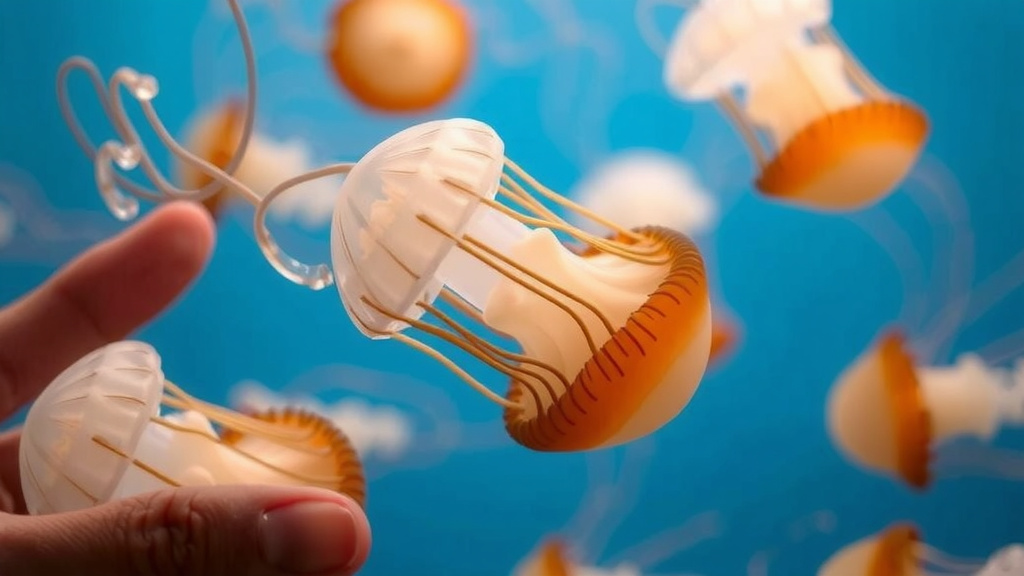
Most pet jellyfish benefit from small feedings multiple times a day. A common recommendation is to feed 2 to 4 times daily. The exact amount depends on the size and species of your jellyfish. You want to feed just enough so that they consume most of it within a short period. Watch your jellies after feeding. You should see their stomach bellies fill with food. This is a good sign!
Determining the Right Amount
Start with a small amount. For brine shrimp, this might be just a few shrimp per jellyfish. For liquid foods, follow the product’s instructions. Observe your jellyfish. Are their stomachs visibly full? If so, you’re feeding enough. If they seem lethargic or their stomachs are empty, increase the amount slightly.
It’s better to underfeed slightly than to overfeed. You can always add a little more food next time. Remember, a clean tank is a happy tank. Excess food contributes to waste. Many expert keepers suggest feeding until you see a slight bulge in their bellies.
The Importance of Water Quality
Feeding and water quality are tightly linked. Uneaten food decomposes. This releases ammonia into the water. Ammonia is toxic to jellyfish. Even if they eat most of their food, some breakdown can occur. This is why you need a good filtration system. You also need to perform regular water changes.
A good rule of thumb is to feed only what your jellyfish can consume in about 10-15 minutes. Remove any uneaten food after this period. This might involve siphoning out debris. It sounds like a lot of work, but it’s essential. Consistent small feedings are better than one large feeding.
Understanding Jellyfish Nutrition Needs
Pet jellyfish, like all living creatures, need a balanced diet. Their diet should be rich in protein. They also need specific fatty acids. These nutrients are crucial for their growth and health. They help maintain their gelatinous bodies. They also support their energy levels.
Key Nutritional Components
Brine shrimp are a good source of protein. Many specialized diets include added vitamins and minerals. Some even contain supplements like HUFA (Highly Unsaturated Fatty Acids). These are important for jellyfish health. Research suggests that proper fatty acid intake can improve jellyfish vitality (NCBI).
If you are feeding live brine shrimp, you can also gut-load them. This means feeding the brine shrimp nutritious food before feeding them to your jellyfish. This can further boost the nutritional content. It’s like giving your jellies a nutrient-packed meal!
Special Considerations for Different Species
While brine shrimp and specialized foods are common, some species have slightly different needs. Moon jellyfish (Aurelia aurita) are a popular choice for beginners. They do very well on brine shrimp. Upside-down jellyfish (Cassiopea) might appreciate slightly larger food items.
Always research the specific needs of the jellyfish species you have. Online forums and jellyfish-specific websites are great resources. You can learn a lot from experienced keepers. They often share their successful feeding strategies. What works for one species might not be ideal for another.
A Feeding Checklist for Success
Here’s a quick checklist to help you stay on track:
- Feed small amounts, 2-4 times a day.
- Use specialized jellyfish food or brine shrimp.
- Ensure food is small enough to eat.
- Feed only what they can consume in 10-15 minutes.
- Remove any uneaten food promptly.
- Monitor your jellyfish for signs of good health.
Troubleshooting Common Feeding Issues
What if your jellyfish aren’t eating? Or what if the water quality is constantly a problem? These are common concerns for new jellyfish keepers.
Jellyfish Not Eating
This can happen if the water temperature is too cold or too warm. It could also be due to poor water quality. Ensure your tank parameters are stable. Sometimes, if the food is too large, they might struggle to eat it. Make sure the food is appropriately sized.
Cloudy Water or Poor Water Quality
This is almost always a sign of overfeeding. Reduce the amount of food you are giving. Increase the frequency of your water changes. Check your filtration system to ensure it’s working correctly. A good protein skimmer can also help remove waste products.
The Best Food to Offer
Ultimately, the best food for your pet jellyfish is a diet that keeps them healthy and vibrant. This typically means a high-quality, specialized jellyfish food or live/frozen brine shrimp.
Here’s a simple comparison:
| Food Type | Pros | Cons |
|---|---|---|
| Live Brine Shrimp | Highly nutritious, engaging for jellies, natural feeding behavior | Requires hatching, can be time-consuming |
| Frozen Brine Shrimp | Convenient, readily available, good nutrition | Can cloud water, requires thawing |
| Liquid Jellyfish Food | Easy to dispense, complete nutrition (if high quality), convenient | Can be more expensive, less “natural” feeding |
Many successful keepers use a combination approach. This ensures a varied and nutritious diet. It also keeps things interesting for you and your gelatinous friends!
Conclusion
Feeding your pet jellyfish might seem daunting at first, but it’s quite manageable with the right approach. You’ve learned that a diet of specialized jellyfish food or brine shrimp is key. Remember, consistency and avoiding overfeeding are your best friends for maintaining healthy water. Keeping their delicate stomachs full but not overstuffed ensures they thrive. Now that you have this knowledge, start preparing your jellyfish’s next meal with confidence!
Frequently Asked Questions
Can I feed my pet jellyfish regular fish food?
No, you should not feed your pet jellyfish regular fish food. Fish food is not formulated to meet the specific nutritional needs of jellyfish. It can also quickly foul the water, creating toxic conditions for your delicate pets.
How do I know if I’m feeding my jellyfish the right amount?
You’ll know you’re feeding the right amount when you can see a slight bulge in their stomach bellies after feeding. If their stomachs remain empty or they seem lethargic, you might need to feed a little more. Conversely, if you see a lot of uneaten food lingering after 15 minutes, you are likely overfeeding.
What is the best way to store brine shrimp for jellyfish?
Frozen brine shrimp should be kept frozen until you are ready to feed. Thaw them in a small amount of tank water or freshwater before offering them to your jellyfish. Live brine shrimp require a dedicated hatching setup to keep them alive and nutritious.
Do jellyfish need live food, or will frozen or liquid diets work?
While live brine shrimp are highly nutritious and engaging, both frozen brine shrimp and high-quality liquid jellyfish foods are perfectly suitable. Many keepers find a combination of these options works best to provide variety and convenience.
What should I do if my jellyfish seems to be getting skinny?
If your jellyfish appears skinny, it’s a sign they aren’t getting enough food or nutrients. First, ensure your water parameters are stable and the temperature is correct, as poor conditions can affect appetite. Then, slightly increase the amount you feed or the frequency of feedings, always monitoring to avoid overfeeding.