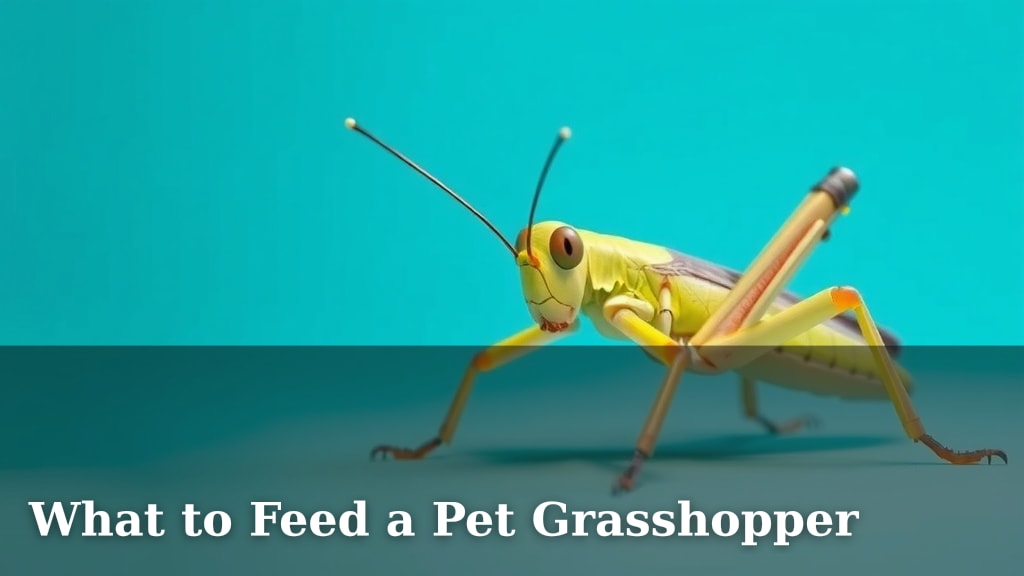
What to Feed a Pet Grasshopper
Feeding your pet grasshopper is quite simple. Most common pet grasshoppers thrive on a diet of fresh, leafy greens like lettuce, dandelion greens, and clover. You should always offer a variety to ensure they get all the nutrients they need. A happy grasshopper makes for a happy pet owner, and the right food is key to their overall health and longevity.
Beyond leafy greens, some grasshoppers also benefit from small pieces of fruits and vegetables. Think tiny bits of carrot or apple, but these should be treats, not their main meal. Always remember to remove any uneaten fresh food within 24 hours to prevent mold and keep their habitat clean. A varied and fresh diet is essential for a thriving grasshopper.
- Grasshoppers primarily eat fresh, leafy greens.
- Offer a variety like lettuce, dandelion greens, and clover.
- Small pieces of fruits and veggies can be occasional treats.
- Remove old food daily to keep their home clean.
- A balanced diet promotes good health.
Let’s dive into the specifics of what your grasshopper will love to munch on and what to avoid.
What Your Pet Grasshopper Likes to Eat
Understanding your pet grasshopper’s dietary needs is key to keeping them healthy and happy. Think of them like tiny, green food critics! Most grasshoppers do best with a diet centered on fresh, **leafy greens**. These provide the bulk of the nutrients they need to grow and stay active. It’s not as complicated as you might think, and your little hopper will thank you with lively hops and a glossy exoskeleton.
The Staple Diet: Leafy Greens
When you’re choosing greens for your grasshopper, think about what they’d find in their natural habitat. They love a good salad! Leafy greens are packed with the **vitamins and minerals** they require. It’s like their version of a balanced meal. We found that offering a variety is always a good strategy.
Best Greens to Offer
So, what greens are on the menu? Several types are excellent choices. Lettuce is a common go-to, but not all lettuces are created equal. Iceberg lettuce has very little nutritional value, so it’s best to avoid it.
- Romaine Lettuce: This is a fantastic choice. It’s nutritious and has a good water content.
- Leaf Lettuce: Varieties like red or green leaf lettuce are also great options.
- Dandelion Greens: These are a favorite for many grasshoppers! You can often find them growing in your yard, but make sure they haven’t been treated with pesticides. Many experts say these are highly beneficial.
- Clover: Young clover leaves are also nutritious and well-loved by grasshoppers.
- Spinach and Kale: These can be offered sparingly. They are very nutritious but can be too rich for some grasshoppers if fed too often.
What to Avoid in Greens
Just as important as knowing what to feed is knowing what to avoid. Some greens can be harmful.
- Iceberg Lettuce: As mentioned, it’s mostly water and offers little nutrition.
- Rhubarb Leaves: These are toxic and should never be given to your pet.
- Avocado Leaves: These are also poisonous to many animals, including grasshoppers.
Occasional Treats and Supplements
While leafy greens form the foundation of their diet, a few other items can be added as occasional treats. These should be given in very small amounts. Think of them as a small dessert, not the main course.
Safe Fruits and Vegetables
Tiny pieces of certain fruits and vegetables can be a welcome addition now and then. Always chop them into very small, manageable pieces.
- Carrots: Shredded carrot is a popular choice.
- Apple: A tiny sliver of apple can be given. Ensure it’s free of seeds and core.
- Cucumber: Small slices can provide hydration.
- Zucchini: Shredded zucchini is also an option.
Remember, these are treats! Too much fruit can lead to digestive issues because of the sugar content. We found that most grasshoppers are perfectly content with just greens.
Do They Need Protein?
Grasshoppers are primarily herbivores, meaning they eat plants. Unlike some other insects kept as pets, they generally do not require added protein sources. Their diet of fresh greens provides all the necessary nutrients for their life cycle. Providing protein supplements can actually be harmful to them. Stick to the greens; it’s the safest bet.
Water and Hydration
Providing fresh water is crucial for your grasshopper’s survival. They get a lot of moisture from their leafy green diet, but a supplemental water source is still important.
How to Provide Water
A small, shallow dish of water can be offered, but it poses a drowning risk. Grasshoppers are tiny! A safer method is to mist their enclosure lightly with fresh water daily. They will drink the droplets off the leaves and the sides of their habitat. You can also use a sponge soaked in water, but ensure it’s kept clean and replaced regularly to prevent mold. Many keepers prefer the misting method.
Feeding Schedule and Best Practices
Keeping your grasshopper’s food fresh is more important than the exact timing of meals. They are opportunistic eaters and will nibble throughout the day.
Daily Food Removal
It’s vital to remove any uneaten fresh food within 24 hours. This is **critically important** for hygiene. Old, wilting greens can quickly develop mold and bacteria, which can make your grasshopper sick. A clean environment is as important as good food. We found that a quick daily check and clean-out makes a big difference in habitat health.
Variety is Key
Offer a few different types of greens each day or every other day. This ensures they get a broad spectrum of nutrients. It’s like ensuring you get all your vitamins from a varied diet, too. A happy grasshopper is a well-fed grasshopper!
What to Absolutely Avoid Feeding
We’ve touched on a few things to avoid, but it’s worth reiterating the absolute no-nos. Some common household foods are toxic to grasshoppers.
- Pesticide-Treated Plants: Never feed your grasshopper plants that may have been sprayed with pesticides or other chemicals. This is especially true for plants gathered from roadsides or treated gardens.
- Citrus Fruits: The acidity in citrus can be harmful.
- Onions and Garlic: These are too strong and can be toxic.
- Processed Foods: Any human food that is processed is a definite no.
- Meat or Dairy Products: Grasshoppers are herbivores; these foods will cause serious health problems.
A Simple Feeding Checklist for Your Grasshopper
Here’s a quick rundown to help you stay on track:
- Offer fresh leafy greens daily.
- Rotate types of greens for variety.
- Remove old food within 24 hours.
- Mist enclosure for hydration.
- Offer small fruit/veg treats rarely.
- Always avoid pesticides and toxic plants.
Conclusion
You’ve learned the essentials for keeping your pet grasshopper happy and healthy through its diet! Remember, a diet rich in a variety of fresh, leafy greens like romaine and dandelion is their main course. Treats from fruits and vegetables should be very minimal. Always prioritize clean habitats by removing old food daily. By focusing on these simple, natural foods and providing hydration through misting, you’re setting your grasshopper up for a thriving life. Keep up the great work, and enjoy watching your little hopper flourish!
Frequently Asked Questions
How often should I feed my pet grasshopper?
Grasshoppers are opportunistic eaters and will nibble throughout the day. The most important thing is to provide fresh greens daily and remove any uneaten food within 24 hours to prevent mold. Don’t worry about exact meal times; focus on consistent freshness.
Can I feed my grasshopper wild plants from my yard?
Yes, but only if you are absolutely certain they haven’t been treated with pesticides or herbicides. Dandelions and clover are excellent choices if you can find them in a safe, untreated area. Always err on the side of caution to protect your pet.
What are signs my grasshopper isn’t eating enough?
A grasshopper that isn’t eating may become lethargic or stop moving as much. You might also notice it’s not growing or its exoskeleton looks dull. Ensure you are offering a variety of appealing greens and that their environment is clean and comfortable.
Is it okay to feed my grasshopper store-bought lettuce like iceberg?
It’s best to avoid iceberg lettuce. It has very little nutritional value and is mostly water, offering minimal benefit to your grasshopper. Opt for more nutrient-dense options like romaine or leaf lettuce for their staple diet.
Do I need to supplement my grasshopper’s diet with vitamins?
No, typically you do not need to provide vitamin supplements. A balanced diet of varied, fresh leafy greens provides all the necessary nutrients for your grasshopper’s growth and health. Stick to natural foods to avoid overwhelming their system.