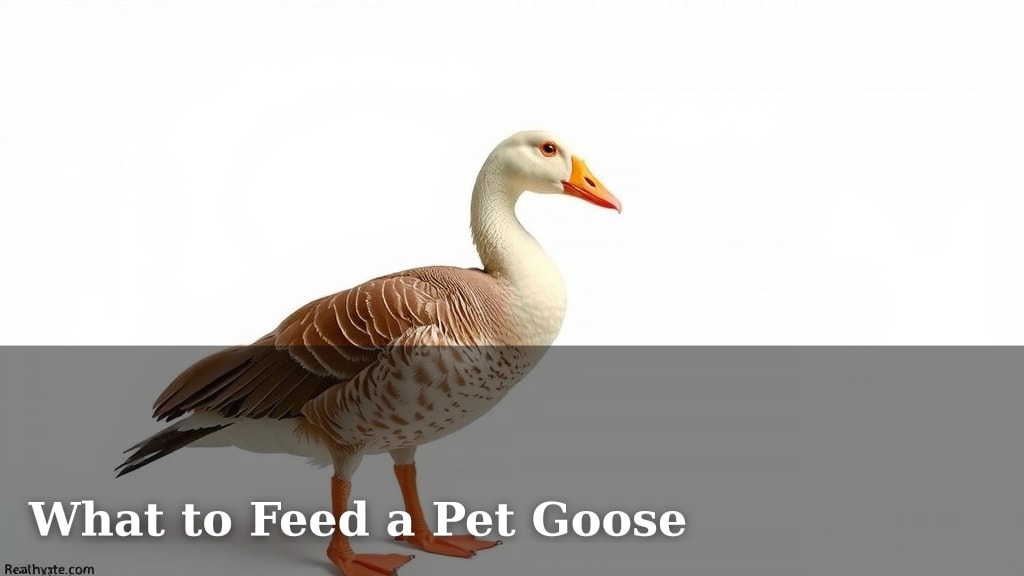
What to Feed a Pet Goose
Feeding your pet goose is all about providing a balanced diet that mimics what they’d eat in the wild. A goose’s diet should primarily consist of grass and leafy greens, supplemented with specialized waterfowl feed. You’ll want to offer a variety of safe vegetables and grains, but avoid feeding them only bread, as it offers little nutritional value and can cause health problems.
Understanding what’s safe for your feathered friend is key to their well-being. While geese are foragers by nature, they do have specific dietary needs. Offering the right mix of protein, vitamins, and minerals helps keep them happy and healthy. It’s important to know what foods to avoid, such as anything moldy or spoiled, to prevent illness.
- Geese mainly eat grass and leafy greens.
- Supplement their diet with waterfowl feed.
- Offer safe vegetables and grains in moderation.
- Avoid feeding them mostly bread.
- Never give them moldy or spoiled food.
Let’s get into the details of what makes a nutritious meal for your goose, so you can keep them quacking with joy!
A Goose’s Daily Diet: What They Love to Eat
Understanding what to feed your pet goose is the first step to a happy, healthy flock. Geese are natural foragers. This means their diet in the wild is mostly fresh plants.
The Foundation: Grass and Greens
Your goose’s diet should be primarily grass. They spend a lot of time grazing. This is their most natural and nutritious food source. Think of it as their main course, every single day.
What kind of grass is best? Most common pasture grasses are perfectly fine. Avoid grass that has been treated with pesticides or herbicides. These chemicals can be very harmful to your goose.
Leafy greens are also a big hit! You can offer things like romaine lettuce, spinach, kale, and dandelion greens. These provide important vitamins and minerals. Make sure to wash them thoroughly before feeding.
Supplementing with Waterfowl Feed
While grass is king, it might not provide everything your goose needs, especially during certain life stages. This is where a good quality waterfowl feed comes in. It’s specially formulated for birds like geese.
Look for a feed designed for waterfowl. It will have the right balance of protein, vitamins, and minerals. For adult geese, a feed with around 16-18% protein is generally recommended. Growing goslings need more protein, typically around 20-25% (National Poultry Research Council).
You don’t need to offer feed all day long. A smaller amount, maybe once or twice a day, is usually sufficient. This ensures they get the concentrated nutrients they need without overeating.
Safe Snacks and Treats for Your Feathered Friends
Beyond their staple diet, your goose can enjoy a variety of other foods as treats. These can add variety and extra nutrients, but should be given in moderation. Think of them as the fun extras.
Healthy Vegetables Geese Can Enjoy
Many common vegetables are safe and healthy for geese. These are excellent additions to their diet. They offer different vitamins and fiber.
Good choices include carrots (grated or chopped), peas, corn (cooked or raw), cucumber, and cooked sweet potatoes. Broccoli and cauliflower are also safe in moderation. Remember to chop larger vegetables into bite-sized pieces.
Avoid giving them large amounts of starchy vegetables like potatoes. While not strictly toxic, they offer less nutritional benefit compared to leafy greens. Also, never feed them onions or garlic. These can cause digestive upset.
Grains and Seeds: A Little Goes a Long Way
Grains and seeds can be given as treats. They provide energy and some nutrients. However, they are higher in carbohydrates and should not form the bulk of the diet.
You can offer small amounts of cooked oatmeal, barley, or oats. Cracked corn is also a popular treat. Seeds like sunflower seeds (unsalted) can be given sparingly.
Be careful not to overdo the grains. Too many carbohydrates can lead to obesity and other health issues. It’s like us eating too much candy – enjoyable, but not good in large quantities.
Fruits: A Sweet But Limited Treat
Geese can eat certain fruits in small amounts. Fruits are sugary, so they should be an occasional treat, not a daily food.
Berries like strawberries, blueberries, and raspberries are good choices. Small pieces of apple (without seeds) or melon are also okay. Always remove seeds from fruits like apples, as some seeds can be harmful.
Foods to Strictly Avoid: What Not to Feed Your Goose
Just as important as knowing what to feed your goose is knowing what to keep away from them. Some foods can cause serious health problems or even be fatal.
The Dangers of Bread and Processed Foods
You’ve probably seen people feeding bread to ducks and geese in parks. Please don’t do this! Bread offers very little nutritional value. It’s often called “junk food” for birds.
Feeding geese mostly bread can lead to a condition called “angel wing.” This is a deformity of the wing that prevents them from flying. It happens when their wing grows too quickly due to an imbalanced diet high in carbohydrates and low in vitamins and minerals (Animal Health Services).
Processed foods, crackers, chips, and sugary snacks are also a big no-no. They are completely unsuitable for a goose’s digestive system.
Moldy, Spoiled, and Toxic Items
This is non-negotiable: never feed your goose anything moldy or spoiled. This includes old feed, moldy bread, or rotten produce. Mold can release toxins that are dangerous for birds. Your goose has a sensitive digestive system.
Certain plants are also toxic to geese. Avoid feeding them anything from the nightshade family (like tomatoes, eggplant leaves), avocado, or rhubarb leaves. If you’re unsure about a plant, it’s always best to err on the side of caution and not feed it to your goose.
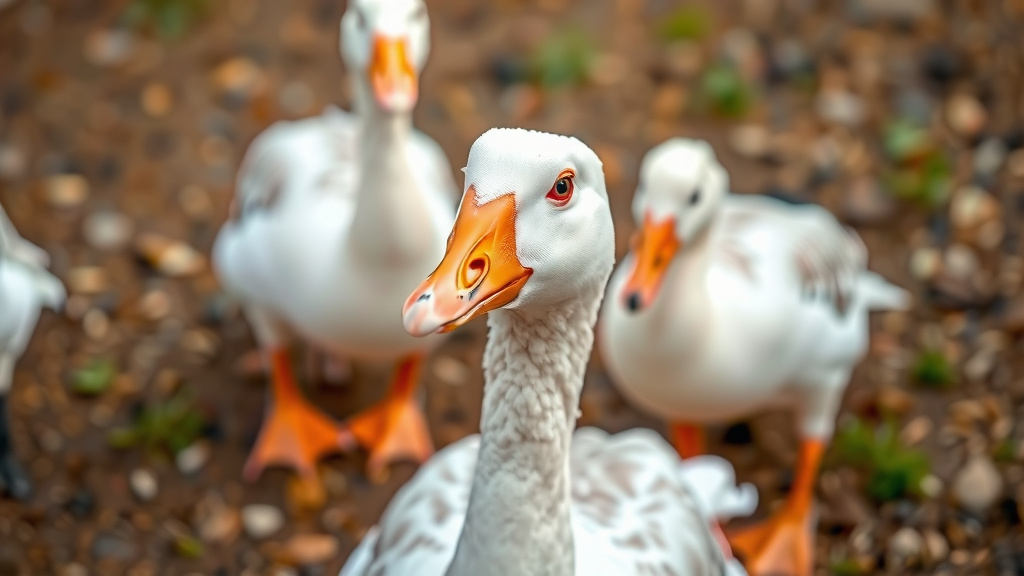
Feeding Best Practices for Goose Well-being
How you offer food is just as important as what you offer. Proper feeding habits help ensure your goose gets the most benefit from their diet.
Water is Essential!
Geese need constant access to clean, fresh water. They use water not just for drinking, but also for cleaning their nostrils and eyes. They often dunk their heads to keep their eyes and nostrils clean and moist.
Make sure your water source is deep enough for them to submerge their heads. A large, sturdy container or a dedicated water trough works well. Change the water daily, or more often if it becomes dirty.
Feeding Schedule and Location
Establish a regular feeding schedule. This helps your goose feel secure and know when to expect food. Geese are creatures of habit!
Offer their supplemental feed in a clean area. This prevents contamination and waste. A shallow feeder or even a clean, flat surface can work. Avoid feeding them in their sleeping area to keep it clean.
A Quick Checklist for Your Goose’s Diet:
- Provide fresh grass daily.
- Offer a balanced waterfowl feed.
- Give leafy greens as a treat.
- Offer vegetables and grains in small amounts.
- Always ensure access to clean water.
- Never feed moldy or spoiled food.
By following these guidelines, you’re providing the best possible nutrition for your pet goose. This helps them live a long, healthy, and happy life with you.
Conclusion
You now know the essentials for keeping your pet goose well-fed and healthy. Remember, a diet rich in fresh grass and leafy greens, supplemented by quality waterfowl feed, is key. Offer safe vegetables and grains as occasional treats, and always steer clear of bread and spoiled foods. By providing the right nutrition and clean water, you’re setting your goose up for a long, happy life. Start by assessing your goose’s current diet and make small adjustments today to ensure they’re getting the best care possible!
Frequently Asked Questions
How much waterfowl feed should I give my goose?
Adult geese typically need about 1/4 to 1/2 cup of waterfowl feed per day, offered once or twice. This amount can vary based on their access to foraging. Always ensure they have plenty of fresh grass available.
Can my goose eat leftover fruits and vegetables from my meals?
Yes, but with caution. Offer small amounts of safe fruits like berries or melon, and vegetables like carrots or peas. Always prepare them in bite-sized pieces and ensure they are not seasoned, salty, or cooked with oils.
What should I do if my goose eats something it shouldn’t have?
If you suspect your goose has ingested something toxic or harmful, contact your avian veterinarian immediately. Do not try to induce vomiting unless instructed by a professional.
Is it okay to feed my goose cracked corn as a staple food?
No, cracked corn should only be a very occasional treat. While geese enjoy it, it’s high in carbohydrates and low in essential nutrients needed for their health, especially for bone development.
How often should I change the water for my goose?
You should change your goose’s water daily, or even more often if it becomes soiled. Geese need constant access to clean water for drinking, cooling, and cleaning their eyes and nostrils.