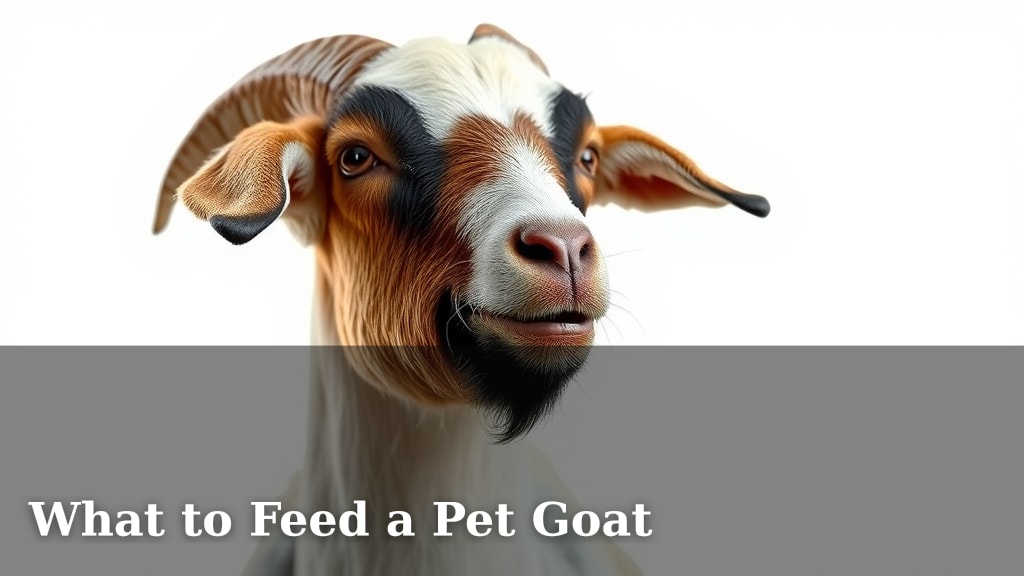
What to Feed a Pet Goat
Feeding your pet goat the right food is all about providing a balanced diet of forage, grains, and supplements. The foundation of their diet should be high-quality hay or pasture. You’ll also want to supplement with a carefully chosen goat feed, ensuring it’s low in copper for some breeds.
Understanding what your goat needs daily helps keep them healthy and happy. Goats are browsers, meaning they prefer to eat leaves, twigs, and shrubs over just grass. Providing variety ensures they get essential vitamins and minerals. Remember, fresh water is just as important as food!
- Base their diet on hay and pasture.
- Supplement with a grain mix designed for goats.
- Offer fresh, clean water at all times.
- Avoid feeds high in copper unless your vet advises it.
- Minerals and vitamins are key for good health.
Let’s walk through exactly what makes a healthy and delicious diet for your furry friend, ensuring they get all the nutrients they need.
Understanding Your Pet Goat’s Nutritional Needs
So, you’ve welcomed a pet goat into your life! That’s wonderful. Now, let’s talk about what keeps these curious critters happy and healthy from the inside out. Providing the right food is like building a strong foundation for their well-being. We’ll cover everything from their main meals to those little extras that make a big difference.
Goats are naturally browsers, not grazers. This means they prefer nibbling on leaves, twigs, bark, and shrubs over just munching grass. Think of them as tiny, four-legged nature explorers! This natural tendency is key to understanding their dietary requirements. They need a variety of textures and nutrients.
The Cornerstone of a Goat’s Diet: Forage
When we talk about forage, we’re mainly referring to hay and good-quality pasture. This should make up the bulk of your goat’s diet, around 70-80%. It provides essential fiber, which is super important for their digestive system.
Choosing the Right Hay
Not all hay is created equal. For most adult pet goats, a grass hay like orchard grass or timothy hay is a great choice. It’s lower in protein and calcium, which is generally safer for them. Alfalfa hay, while nutritious, is higher in protein and calcium. It can be too rich for some goats, potentially leading to health issues like urinary stones, especially in males. We want to avoid that!
We found that feeding a mix of grass hays often provides a broader spectrum of nutrients. Think of it like a balanced buffet for your goat. Always make sure the hay is clean, dry, and free from mold. Moldy hay can cause serious respiratory problems or other illnesses. You should be able to smell fresh, sweet grass when you open a bale.
Pasture Grazing: A Natural Delight
If you have safe pasture land for your goat, that’s fantastic! Goats will happily browse on a variety of plants, weeds, and even some brush. This can provide them with a diverse range of nutrients. However, you need to be mindful of what’s growing in their pasture.
Certain plants can be toxic to goats. It’s wise to research common plants in your area. We also found that pastures can be low in essential minerals. This is why supplementation is often necessary, even for goats who spend a lot of time grazing. It’s all about striking the right balance.
Supplementing with Grains and Feeds
While forage is the main event, many pet goats benefit from a little extra boost, usually in the form of a grain mix or a pelleted goat feed. This is especially true for young, growing goats, pregnant or nursing does, and older goats who might struggle to get enough calories from hay alone.
What Kind of Goat Feed?
When choosing a commercial goat feed, look for one specifically formulated for goats. These are designed to provide the right balance of protein, energy, vitamins, and minerals. A common mistake people make is feeding horse or cattle feed. These can be inappropriate for goats and may lack essential nutrients or contain harmful levels of others.
We’ve observed that a feed with a protein content of around 14-16% is usually suitable for adult goats. Growing or lactating does might need a bit more. It’s essential to avoid feeds high in copper unless your veterinarian specifically recommends it. Some goat breeds, particularly those with pygmy or Nigerian Dwarf genetics, are very sensitive to copper, and too much can be toxic.
Feeding Amounts: Less is Often More
This is where many new goat owners get a little unsure. Goats don’t typically need large amounts of grain. Overfeeding can lead to health problems like obesity, bloat, or polioencephalomalacia. Polioencephalomalacia (PEM) is a serious neurological disease that can be triggered by feeding too much grain. Many experts recommend feeding no more than 1-2% of your goat’s body weight in total feed per day, with most of that being forage.
A general guideline we found helpful is to offer about 1/4 to 1/2 cup of grain per adult goat per day, split into two feedings. This is a starting point, and you’ll need to adjust based on your goat’s age, activity level, and body condition. You should be able to feel your goat’s ribs easily but not see them sticking out. That’s a good sign of a healthy weight.
Minerals and Vitamins: The Essential Extras
Even with the best hay and appropriate feed, goats often need a mineral and vitamin supplement. They have specific needs that can be hard to meet through diet alone. A mineral block or loose mineral mix specifically designed for goats is a smart addition to their environment.
These supplements provide trace minerals like selenium, zinc, and copper (in safe amounts for most breeds), as well as vitamins A, D, and E. We found that having a loose mineral available at all times encourages them to take what they need. Salt is also important, so a plain salt block or loose salt should always be available.
Fresh Water: Non-Negotiable!
Let’s talk about something absolutely vital: water. Your goat should have access to fresh, clean water at all times. Dehydration can happen quickly and can lead to serious health issues. Imagine trying to digest all that fiber without enough water – it’s not pretty!
Clean the water trough or bucket daily. Algae and debris can build up quickly, making the water unappealing and potentially unhealthy. In winter, make sure the water doesn’t freeze. In summer, keep it as cool as possible. Their water source is just as important as their food source.
Treats and Special Foods: Use Sparingly!
Who doesn’t love a treat? Goats are no exception. Small amounts of fruits and vegetables can be given as occasional treats. Think tiny pieces of apple, carrot, or a few berries. However, avoid feeding them anything too sugary, like candy or large amounts of fruit.
We also found that some people feed goats bread or other baked goods. This is generally not recommended. These items offer little nutritional value and can disrupt their digestive balance. Stick to what nature intended for them. A happy goat is often a healthy goat, and good nutrition is key to that happiness!
| Food Type | Primary Role | Frequency/Amount | Important Notes |
|---|---|---|---|
| Grass Hay (Timothy, Orchard) | Fiber, nutrients | Available freely (ad libitum) | Must be clean, dry, mold-free. |
| Pasture | Fiber, nutrients, variety | As available | Monitor for toxic plants; may need supplementation. |
| Commercial Goat Feed | Energy, protein, vitamins, minerals | Small amounts (1/4-1/2 cup per adult goat/day, split) | Low copper formula for most breeds; adjust for age/activity. |
| Mineral Supplement | Trace minerals, vitamins | Available freely (loose mix or block) | Specifically for goats; check copper levels. |
| Fresh Water | Hydration, digestion | Available at all times | Keep clean and accessible. |
A Quick Checklist for Your Goat’s Diet
To make things easy, here’s a quick rundown to ensure you’re on the right track:
- Always provide fresh, clean water.
- Offer high-quality grass hay daily.
- Supplement with a goat-specific feed in moderation.
- Ensure a goat mineral block or loose mix is available.
- Monitor your goat’s body condition and adjust food as needed.
- Avoid copper-heavy feeds unless advised by your vet.
Conclusion
Feeding your pet goat the right way is all about balance and understanding their natural browsing habits. You’ve learned that a diet rich in quality forage like hay and pasture is the foundation. Supplementing wisely with goat-specific feed, providing constant fresh water, and offering a mineral mix are also key to their health. We’ve seen that paying attention to details like avoiding high copper levels and not overfeeding grains prevents common issues. Your next step is to observe your goat’s body condition and adjust their feeding routine accordingly, ensuring you have the best diet dialed in for their well-being.
Frequently Asked Questions
How much grain should I give my pet goat?
For adult goats, start with a small amount, typically 1/4 to 1/2 cup per day, split into two feedings. It’s important to remember this is a supplement, not their main meal. You should adjust based on your goat’s age, activity level, and overall body condition.
Can my pet goat eat grass clippings?
It’s best to avoid feeding your goat grass clippings directly from a lawnmower. Clippings can ferment quickly and lead to serious digestive upset like bloat. If you have a safe pasture, allowing them to graze naturally is a much better option.
What kind of treats are safe for goats?
Small amounts of fruits and vegetables make good occasional treats for your goat. Think tiny pieces of apples, carrots, or a few berries. Avoid sugary treats like candy and limit anything that could cause digestive upset.
Is it okay to feed my goat a mineral block meant for cows or horses?
No, it’s not recommended to use mineral blocks meant for other livestock. Goats have unique nutritional needs, especially concerning minerals like copper. Always choose a mineral supplement specifically formulated for goats to ensure they get the right balance of nutrients.
How do I know if my goat is getting enough to eat?
You can tell by checking your goat’s body condition. You should be able to feel their ribs easily under a thin layer of fat, but they shouldn’t be visibly sticking out. Adjust their feed amounts if they appear too thin or too heavy.