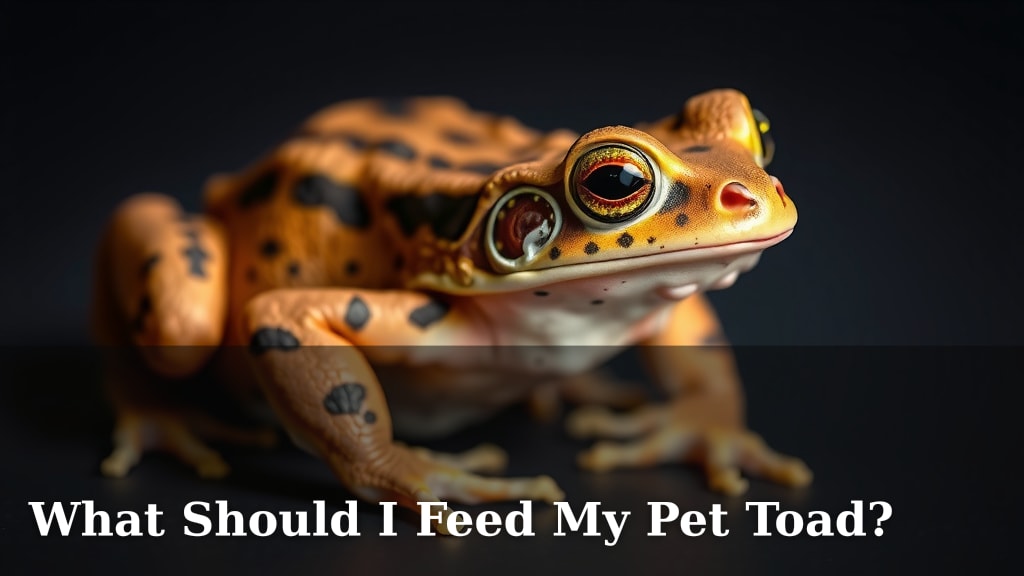
What Should I Feed My Pet Toad?
Feeding your pet toad the right food is essential for its health. Primarily, your toad will thrive on a diet of live insects, like crickets, mealworms, and earthworms. You should also dust these feeders with a calcium and vitamin supplement to ensure they get all the nutrients they need for a long and happy life.
Choosing the best food involves understanding what different toad species eat in the wild. While insects are the staple, some toads might enjoy occasional treats like waxworms or even small feeder fish for larger species. It’s vital to offer a varied diet that mimics their natural food sources to prevent nutritional deficiencies and keep them energetic and alert.
- Feed live insects: crickets, mealworms, earthworms are great.
- Dust feeders with calcium and vitamin supplements.
- Vary the diet for different species’ needs.
- Avoid processed foods or anything not insect-based.
- Offer food regularly, based on your toad’s age and size.
Below, we break down exactly what you should feed your pet toad to keep it healthy and thriving. Let’s hop to it!
Feeding Your Pet Toad: A Nutritional Guide
Ensuring your toad gets the right food is key to its well-being. Your little amphibian friend needs a diet rich in live insects. This is the most natural and nutritious way to feed them. We’ve found that variety is the spice of life, even for toads!
Understanding Your Toad’s Dietary Needs
Toads are carnivores, meaning they eat meat. In the wild, their diet consists of whatever small creatures they can catch. This typically includes insects, spiders, and other invertebrates. Your pet toad’s nutritional requirements are very similar to those of its wild cousins.
The goal is to mimic their natural diet as closely as possible. This helps prevent common health issues that can arise from improper feeding. We found that a consistent, varied diet is the best approach.
The Importance of Live Prey
Why live insects? Because toads are ambush predators. They are naturally drawn to movement. A live cricket or mealworm triggers their hunting instinct. This is not just about fun for them; it’s about proper stimulation and digestion. We found that feeding live prey ensures they get the full nutritional benefit.
Some toads may not recognize dead food as edible. Even if they do eat it, it might lack the same appeal. This can lead to them refusing meals. We know you want your toad to eat heartily!
Staple Foods for Your Toad
The foundation of your toad’s diet should be easily accessible and nutritious live insects. These are readily available at most pet stores that specialize in reptiles and amphibians.
- Crickets: These are a popular choice for a reason. They are readily available and come in various sizes to match your toad.
- Mealworms: Another common and affordable option. They are a good source of protein and fat.
- Earthworms: Dug from a clean source or purchased, earthworms are a natural favorite for many toad species.
When selecting insects, always choose ones that are appropriately sized for your toad. A good rule of thumb is that the prey item should be no wider than the space between your toad’s eyes. We found this size guide helps prevent choking hazards.
Gut-Loading Feeder Insects
Just feeding plain crickets or mealworms isn’t enough. These feeder insects themselves need to be well-nourished. This process is called “gut-loading.” You feed the insects a nutritious diet for at least 24-48 hours before offering them to your toad. This way, the nutrients pass from the insect to your toad.
Many commercial gut-load formulas are available. You can also use a mix of vegetables like carrots, leafy greens (like collard greens), and even specialized gut-load foods. We found that a varied gut-load diet for the insects leads to a more balanced diet for your toad.
Supplementation: Essential Nutrients
Even with a varied diet of gut-loaded insects, toads need extra help to get all the vitamins and minerals they require. This is where supplements come in. The two most critical supplements are calcium and vitamins.
Calcium and Vitamin D3
Calcium is vital for bone health and preventing metabolic bone disease. Toads, like many amphibians, absorb calcium through their skin and digestive system. Vitamin D3 helps their bodies absorb calcium properly. Without enough D3, calcium is useless.
You should dust your feeder insects with a reptile-specific calcium and vitamin D3 powder. Do this before feeding them to your toad. We found that using a powder specifically formulated for amphibians or reptiles is best. It ensures the correct balance of nutrients.
Multivitamin Supplements
In addition to calcium, a good reptile multivitamin powder is also recommended. This provides a broader spectrum of essential vitamins and minerals. These help ensure your toad is healthy and has a strong immune system. We found that multivitamin powders can be used less frequently than calcium supplements.
A common schedule is to dust insects with calcium and D3 at every feeding, and with a multivitamin every other feeding, or a few times a week. Always follow the manufacturer’s instructions for dusting, as too much can be harmful.
Occasional Treats and What to Avoid
While insects form the core of your toad’s diet, you might offer occasional treats. These should be given sparingly and only to certain species.
Treat Options
Some toads enjoy treats like:
- Waxworms: These are high in fat and should only be offered once or twice a month as a treat.
- Superworms: Similar to waxworms, these are also fatty. They are better suited for larger toad species.
- Small Feeder Fish: For very large toad species, very small, ethically sourced feeder fish might be offered very rarely. However, many experts advise against this due to potential health risks.
We found that sticking to insects is generally the safest and most beneficial approach for most pet toad owners.
Foods to Absolutely Avoid
Some foods can be harmful or even deadly to your pet toad. It’s essential to know what to steer clear of:
- Wild-caught insects: These can carry pesticides or parasites that could harm your toad.
- Human food: Never feed your toad any human food. It is not designed for their digestive system and can cause serious illness.
- Anything not alive or properly prepared: Toads need live prey. Anything else is a risk.
You should also be cautious with the source of your feeder insects. It’s best to buy them from a reputable pet store or breeder to ensure they are disease-free and healthy. We found that a little caution goes a long way in keeping your toad safe.
Feeding Schedule and Portion Control
How often and how much you feed your toad depends on its age, species, and size. Young, growing toads need to eat more frequently than adults.
As a general guideline:
- Juveniles: May need to be fed daily or every other day.
- Adults: Typically do well with feeding every 2-3 days.
Offer as many appropriately sized insects as your toad will eat within a 10-15 minute period. Remove any uneaten live insects from the enclosure afterwards. This prevents them from potentially stressing or biting your toad when it’s trying to sleep.
We found that observing your toad’s behavior is the best way to gauge its hunger and fullness. A well-fed toad will be active and alert. If your toad seems lethargic or is losing weight, it might be time to re-evaluate its diet and feeding schedule. Always consult with a veterinarian specializing in exotic pets if you have concerns.
Quick Feeding Checklist for Your Toad
Here’s a quick rundown to keep your toad’s meals on track:
- Offer live insects daily or every other day for juveniles.
- Feed adults every 2-3 days.
- Gut-load feeder insects for 24-48 hours prior to feeding.
- Dust insects with calcium/D3 at most feedings.
- Use a multivitamin supplement a few times a week.
- Remove uneaten live prey after 15 minutes.
Conclusion
You’ve learned that your pet toad’s diet is all about offering live, gut-loaded insects. Remember to dust feeders with essential calcium and vitamin supplements to keep them healthy. Varying their food sources ensures they get a well-rounded diet, mimicking what they’d eat in the wild. Avoid anything that isn’t a live insect or poses a risk. By following these guidelines, you’re setting your toad up for a long, happy, and vibrant life.
Your next step is to gather the right supplies: quality feeder insects, gut-loading food, and reptile-specific supplements. You’re well-equipped to provide excellent nutrition for your amphibian friend!
Frequently Asked Questions
How often should I feed my adult toad?
For adult toads, we found that feeding them every 2 to 3 days is generally sufficient. Observe your toad; if it’s active and its weight seems stable, you’re likely on the right track. Too much food can lead to obesity, so it’s best to err on the side of caution.
Can I feed my toad insects I catch outside?
We strongly advise against feeding your toad wild-caught insects. These can carry harmful pesticides, herbicides, or parasites that could make your toad very sick. It’s much safer to purchase feeder insects from a reputable pet store.
What size should feeder insects be?
A good rule of thumb is that the feeder insect should be no wider than the space between your toad’s eyes. This prevents choking hazards and ensures your toad can easily swallow its meal. You may need different sizes of insects for juvenile and adult toads.
How do I know if my toad is eating enough?
We found that observing your toad’s behavior is key. A well-fed toad will be active, alert, and maintain a healthy weight. If your toad seems lethargic, refuses food, or appears to be losing weight, it might be a sign that its diet or feeding schedule needs adjustment. Consulting an exotic vet is always a good idea.
Is it okay to feed my toad frozen or dried insects?
Toads are natural predators that hunt by movement, so live prey is always best. We found that toads often refuse frozen or dried insects because they lack the movement and scent that triggers their hunting instinct. Live insects also offer better nutritional value when properly gut-loaded.