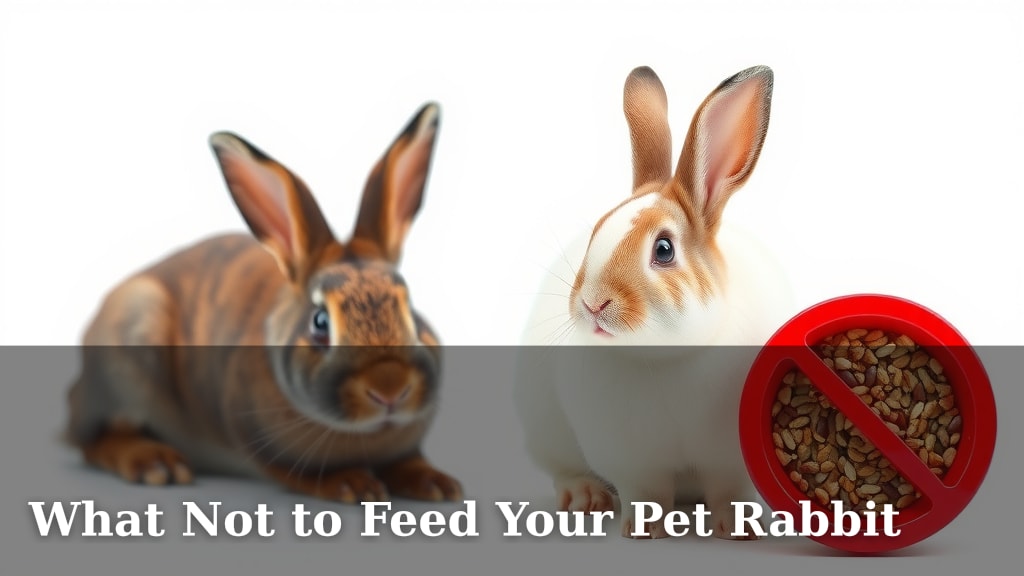
What Not to Feed Your Pet Rabbit
Your bunny’s diet is super important for their health. When thinking about what not to feed your pet rabbit, the most critical rule is to avoid sugary treats and starchy foods. These can cause serious digestive upset, leading to dangerous health issues like gut stasis. Always prioritize hay, fresh greens, and a limited amount of pellets.
Many common human foods are actually toxic to rabbits. Even small amounts of the wrong thing can have devastating consequences for your furry friend. We want to make sure your rabbit stays happy and healthy, and knowing these forbidden foods is a big step. It’s all about keeping their sensitive digestive system in tip-top shape.
- Avoid: Sugary foods, starchy items, and most human snacks.
- Dangerous: Chocolate, avocado, iceberg lettuce, and seeds/nuts.
- Digestive Issues: High-carb and high-sugar foods can cause gut stasis.
- Focus on: Unlimited hay, fresh water, limited pellets, and safe greens.
- When in doubt: Always consult your rabbit-savvy veterinarian.
Let’s dive into the specific foods that you should keep far away from your beloved bunny’s reach.
Foods Your Rabbit Should Never Munch On
Your rabbit’s digestive system is delicate. It’s built for a high-fiber diet. This means certain foods can cause serious problems. We want to keep your bunny hopping with joy, not suffering from tummy troubles.
The Dangers of Sugars and Starches
Many treats we enjoy are absolute no-gos for rabbits. Think about it like this: their tummies are like tiny, sensitive engines. High-sugar and high-starch foods clog them up. This can lead to a really dangerous condition called gut stasis. It’s when their digestive system slows down or stops completely. This is a medical emergency for rabbits.
What About Grains and Seeds?
Grains, seeds, and nuts might seem like healthy snacks. For rabbits, they are not. They are high in carbohydrates and fats. These are hard for rabbits to digest. They can lead to obesity and other digestive issues. Some seeds also contain toxins. It’s best to avoid them entirely.
Processed Human Foods Are a No-Fly Zone
This might seem obvious, but let’s be clear. Anything processed for humans is generally bad for bunnies. This includes bread, crackers, cereal, and pasta. These items are full of sugars, starches, and sometimes unhealthy fats or artificial ingredients. They offer no nutritional benefit and can be downright harmful.
Fruits: A Limited Treat at Best
Fruits are delicious, but they’re also high in sugar. Rabbits can have small amounts of certain fruits. But they should never be a daily staple. Think of fruit as a tiny, occasional treat. A piece the size of your pinky fingernail is often plenty. Too much can upset their digestive balance.
Fruits to Strictly Avoid
Some fruits are simply too risky. For instance, the pit or seeds of fruits like apples or pears can be toxic. Also, fruits with very high sugar content should be avoided. Stick to rabbit-safe fruits given in tiny portions. We’ll cover safe greens next, which should be the main focus of their diet.
Vegetables: Not All Greens Are Created Equal
While fresh vegetables are vital for your rabbit, some are best avoided. Iceberg lettuce is a common offender. It has very little nutritional value. It’s also mostly water. This can lead to diarrhea in some rabbits. Many experts recommend avoiding it altogether (House Rabbit Society).
High-Oxalate Greens to Monitor
Some vegetables contain high levels of oxalates. These can be problematic for some rabbits, especially if they have a history of kidney or bladder issues. Examples include spinach, kale, and parsley. While small amounts can be okay for healthy rabbits, it’s wise to feed these in moderation. Rotate your greens to provide variety and avoid overloading their system with any one type of nutrient or compound.
Other Vegetables to Be Wary Of
Onions, garlic, and other alliums are toxic to rabbits. They can damage their red blood cells. Even small amounts can be dangerous. Also, avoid starchy vegetables like potatoes and corn. They are too high in carbohydrates for a rabbit’s digestive system.
Dangerous Items That Don’t Belong in Your Rabbit’s Bowl
Certain foods pose immediate and severe risks. These are the items that absolutely must be kept out of reach. Your rabbit’s health depends on your vigilance.
The Deadly Duo: Chocolate and Avocado
Please, never feed your rabbit chocolate. It contains theobromine, which is toxic to many animals, including rabbits. It can cause heart and nervous system problems. Avocado is also extremely dangerous. It contains a toxin called persin. Persin can cause respiratory distress and heart failure in rabbits (American Rabbit Breeders Association).
Seeds, Nuts, and Their Byproducts
We touched on this earlier, but it bears repeating. Seeds and nuts are very high in fat and calories. They are not a natural part of a rabbit’s diet. They can lead to serious digestive upset and obesity. Even small quantities can cause blockages.
Dairy and Meat Products
Rabbits are herbivores. They cannot digest dairy or meat. Feeding them these items can cause severe diarrhea and other gastrointestinal problems. This includes milk, cheese, yogurt, and any kind of meat product.
Certain Human Snacks and Leftovers
Think of anything you’d grab from a vending machine or a fast-food menu. These are not for your rabbit. Chips, cookies, candy, and sugary drinks are loaded with things their bodies can’t handle. Their digestive systems are simply not designed for such fare. Keep human food to yourself and your own species.
What About Hay? The Golden Rule
The absolute cornerstone of your rabbit’s diet is unlimited, fresh hay. Timothy hay is generally recommended for adult rabbits. Alfalfa hay is better for young, growing rabbits. Hay provides essential fiber. It keeps their digestive system moving. It also helps wear down their ever-growing teeth. If hay is scarce, your rabbit is at much higher risk for health issues.
A Quick Reference: What to Keep Away!
Here’s a handy checklist for you. It highlights the absolute no-nos.
- Sugary Treats: Candy, cookies, fruit juices.
- High-Starch Foods: Bread, pasta, crackers, cereal, potatoes.
- Toxic Items: Chocolate, avocado, onions, garlic.
- Seeds and Nuts: All types.
- Dairy and Meat: Any animal products.
- Unsafe Greens: Iceberg lettuce, excessive amounts of high-oxalate greens.
Conclusion
You’ve learned that your rabbit’s diet is a delicate balance. Hay should always be the star of the show. Avoiding sugary, starchy, and toxic human foods is key to their health. Even certain fruits and vegetables need careful consideration. Keeping these forbidden foods away protects your bunny from serious digestive issues and health emergencies. Your vigilance ensures a happy, healthy hop for your furry friend. Always consult your rabbit-savvy vet if you’re ever unsure about what to feed your pet.
Frequently Asked Questions
How much fruit can my rabbit eat?
Fruits should be a very rare treat for your rabbit. A portion the size of your pinky fingernail is usually plenty. Their digestive systems are not built for the high sugar content found in fruits. Too much can cause upsetting tummy troubles.
Is iceberg lettuce really that bad for rabbits?
Yes, iceberg lettuce is best avoided. It offers very little nutritional value and is mostly water. This can lead to diarrhea in some rabbits. Your bunny needs nutrient-dense foods, and iceberg lettuce just doesn’t provide that.
Can my rabbit have a little bit of bread or cereal?
No, absolutely not. Bread, cereal, crackers, and pasta are high in starches and sugars. These foods can cause dangerous digestive upset, including gut stasis. They offer no beneficial nutrients for your rabbit.
What should I do if my rabbit eats something they shouldn’t have?
If you suspect your rabbit has eaten something harmful, contact your rabbit-savvy veterinarian immediately. Do not wait for symptoms to appear. Early intervention is critical for many types of food poisoning in rabbits.
Are herbs safe for rabbits?
Many common herbs are safe and beneficial for rabbits when given in moderation as part of their fresh greens. However, some herbs, like parsley or cilantro, are high in oxalates. It’s best to offer a variety and avoid large quantities of any single herb.