What Not to Feed Pet Rabbits
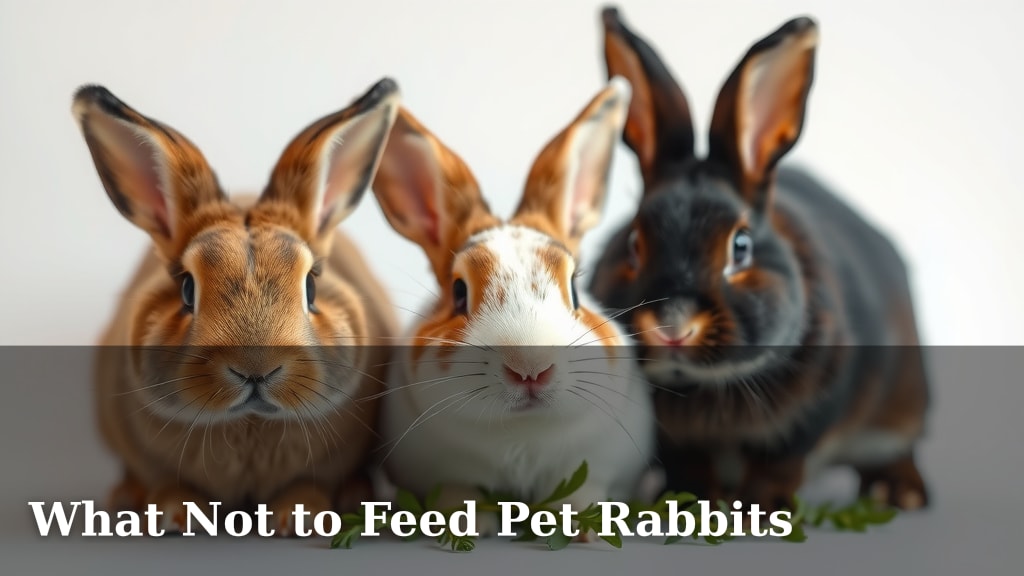
You should never feed your pet rabbit certain foods. Common household items like avocado, chocolate, and iceberg lettuce can be very harmful. These foods can cause serious digestive upset or even be toxic to your bunny.
Understanding what rabbits can and cannot eat is vital for their health. A rabbit’s digestive system is very delicate. Feeding them the wrong things can lead to severe stomach problems. We want your bunny to live a long, happy life, right?
- Avoid avocado, chocolate, and sugary treats.
- Iceberg lettuce lacks nutrients and can cause diarrhea.
- Limit starchy foods like bread and crackers.
- Certain plants are poisonous.
- Always consult a vet for dietary advice.
Let’s dive into the specific foods that can cause trouble for your furry friend. We’ll cover what to keep out of their reach.
Foods Your Rabbit Should Never Eat
You want the best for your bunny, right? That means being super careful about what goes into their little tummies. Rabbits have sensitive digestive systems. Some common foods that are safe for us can be quite dangerous for them. Let’s talk about what foods you absolutely need to keep away from your furry friend.
Common Household Dangers for Rabbits
Many everyday foods can cause serious harm to your rabbit. It’s easy to think a small bite won’t hurt, but their bodies are different from ours. Some items can cause immediate distress, while others might lead to long-term health issues. Knowing these risks can save your rabbit a lot of suffering.
The Avocado Danger
Avocado is a definite no-go for rabbits. It contains a toxin called persin. This can be really hard on a rabbit’s digestive tract. It can lead to breathing problems and even heart failure. So, keep that guacamole away from the hutch!
Why Chocolate is a Big No-No
We all love chocolate, but your rabbit definitely shouldn’t get any. Chocolate contains theobromine. This is toxic to many animals, including rabbits. Even a small amount can cause vomiting, diarrhea, and other severe health problems. Better to enjoy your chocolate bars yourself.
Sugary Treats and Processed Foods
Anything high in sugar is bad for your rabbit. This includes candy, cookies, and even sweet fruits in large amounts. Their digestive systems aren’t built to handle a lot of sugar. It can lead to dangerous imbalances in their gut bacteria. This can cause GI stasis, a life-threatening condition.
The Iceberg Lettuce Myth
You might think lettuce is a safe bet, but iceberg lettuce is actually quite low in nutrients. It’s mostly water. For rabbits, it can displace more nutritious foods. Plus, some rabbits are sensitive to it and can get diarrhea from eating too much. Stick to darker, leafy greens.
Bread, Crackers, and Grains
Rabbits are herbivores, but they aren’t meant to eat a lot of starchy or processed grains. Things like bread, crackers, pasta, and cereal can cause digestive upset. They can ferment in the gut. This leads to gas and pain for your bunny. They should primarily eat hay and fresh vegetables.
Plants and Flowers That Are Toxic
Your rabbit might nibble on things around the house or yard. You need to be aware of which plants are poisonous to them. Many common houseplants can cause severe poisoning. Even some garden plants can be dangerous if ingested. Always research a plant before letting your rabbit near it.
Dangerous Houseplants
Several popular houseplants are toxic to rabbits. These include lilies, tulips, daffodils, and poinsettias. If your rabbit chews on these, you could see symptoms like drooling, vomiting, or even more serious organ damage. It’s best to keep all houseplants out of reach or opt for pet-safe varieties.
Outdoor Garden Hazards
Be cautious about what grows in your garden. Plants like rhubarb leaves, potatoes, and tomato leaves contain toxins that can harm rabbits. Even certain flowers like foxglove and buttercups can cause problems. If your rabbit free-roams outdoors, supervise them closely or fence off toxic plants.
Things to Limit in Your Rabbit’s Diet
While not outright poisonous, some foods should only be given in very small amounts, if at all. These are items that can still cause digestive issues or health problems if fed too often.
High-Carbohydrate Foods
Foods high in carbohydrates, like dried corn or peas, are not ideal. They are difficult for rabbits to digest properly. Too many can lead to obesity and other health issues. They should be treats, if given at all, and very sparingly.
Certain Root Vegetables
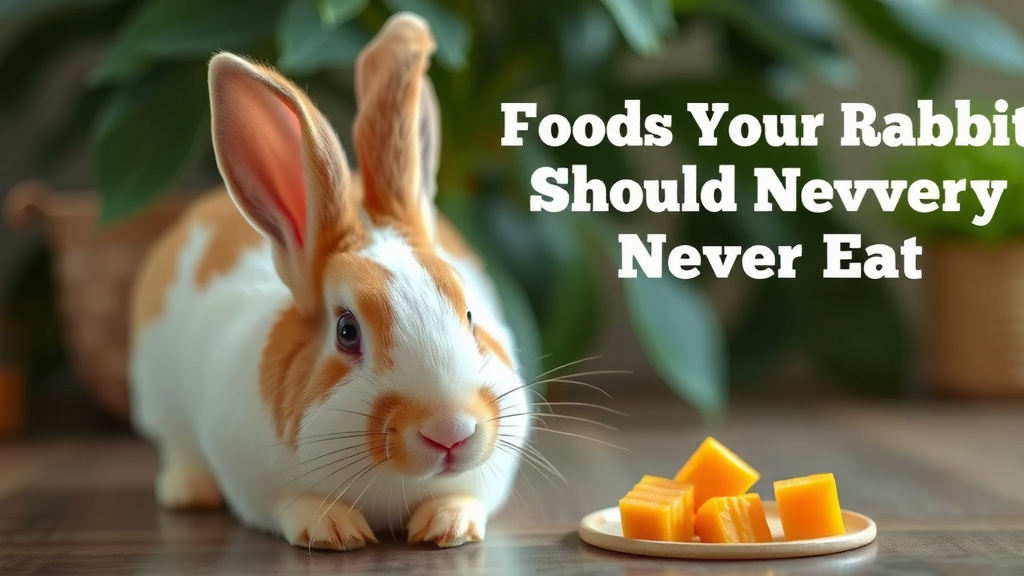
While carrots are often depicted as a rabbit’s favorite, they are high in sugar. They should be given as a tiny treat, not a main part of the diet. Other root vegetables like parsnips are also starchy and should be limited. Focus on leafy greens.
A Quick Checklist: What to Avoid
To make it easy to remember, here’s a quick rundown of foods to keep away from your rabbit:
- Avocado
- Chocolate and sugary human treats
- Iceberg lettuce
- Bread, crackers, pasta, cereal
- Toxic houseplants and garden plants (e.g., lilies, rhubarb leaves)
- Large amounts of starchy vegetables or fruits
Always remember that a rabbit’s diet should primarily consist of fresh hay, a small amount of good-quality rabbit pellets, and fresh leafy greens. If you’re ever unsure about a food item, it’s always best to err on the side of caution and avoid it. When in doubt, consult your veterinarian. They are the best resource for your rabbit’s specific dietary needs.
Conclusion
You’ve learned about the hidden dangers lurking in everyday foods for your rabbit. Keeping avocado, chocolate, sugary items, iceberg lettuce, and certain plants away from your bunny is vital. Their sensitive digestive systems need the right fuel: mostly hay, fresh greens, and good-quality pellets. Making informed choices about their diet ensures a healthier, happier life for your furry friend. Next, you should double-check all houseplants and garden plants for toxicity and remove any that pose a risk.
Frequently Asked Questions
What if my rabbit accidentally eats something they shouldn’t have?
If you suspect your rabbit has eaten something harmful, contact your veterinarian immediately. Do not try to induce vomiting. Provide your vet with as much detail as possible about what was consumed and the estimated amount.
Are fruits really that bad for rabbits?
Many fruits are high in sugar, which can disrupt your rabbit’s delicate gut bacteria. While small, occasional pieces of low-sugar fruits like berries can be a very rare treat, they should not be a regular part of your rabbit’s diet. Focus on vegetables for healthy treats.
Can my rabbit have a small piece of carrot as a treat?
Carrots are quite high in sugar, so they should only be given as a very tiny treat, if at all. Think of a piece the size of your pinky fingernail. They should not form a regular part of your rabbit’s diet, which should be based on hay and leafy greens.
What are some good, safe leafy greens to feed my rabbit?
Excellent choices for leafy greens include romaine lettuce (not iceberg!), kale, parsley, cilantro, dill, and dandelion greens. It’s good to offer a variety of these greens to ensure a balanced intake of nutrients.
How much is too much when it comes to rabbit pellets?
Rabbit pellets should be given in limited quantities, typically about 1/8 to 1/4 cup per 5 pounds of body weight per day, depending on age and activity level. The majority of your rabbit’s diet should come from fresh hay.