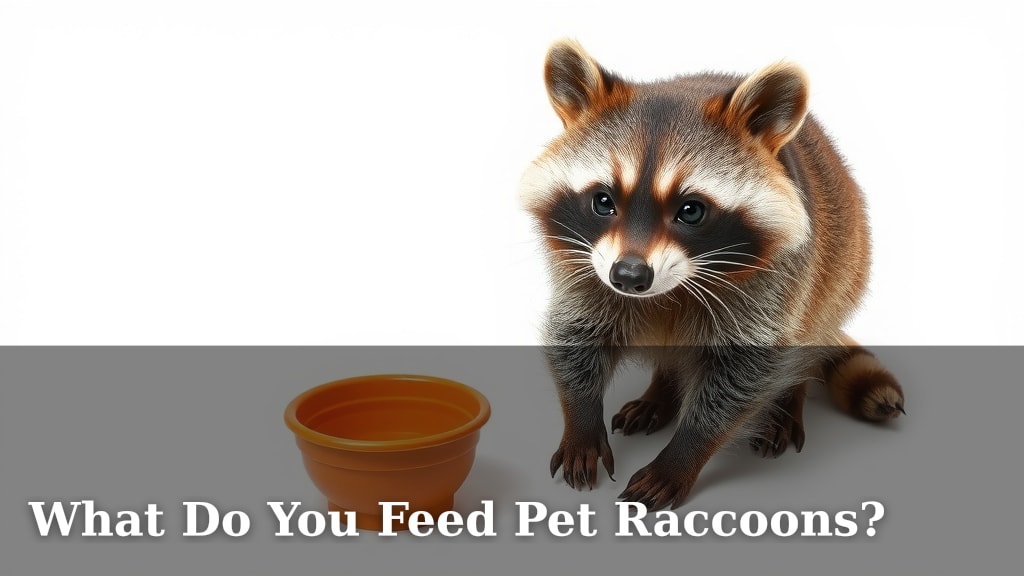
What Do You Feed Pet Raccoons?
When you’re thinking about feeding a pet raccoon, remember they need a varied diet that mimics what they’d find in the wild. This means offering a mix of protein sources, fruits, vegetables, and some healthy grains. Don’t just toss them a bag of chips; their nutritional needs are far more complex!
We found that a healthy raccoon diet is built on diversity. It’s not just about filling their bellies, but providing the right balance of nutrients for their well-being. Think of it like planning your own healthy meals – variety is key to good health!
- Raccoons need a diet of protein, fruits, veggies, and grains.
- Avoid feeding them processed human foods.
- Offer a variety of safe, fresh ingredients daily.
- Hydration is also very important for them.
Below, we’ll walk you through the best food options for your pet raccoon and what to avoid, so you can feel confident you’re giving them the best.
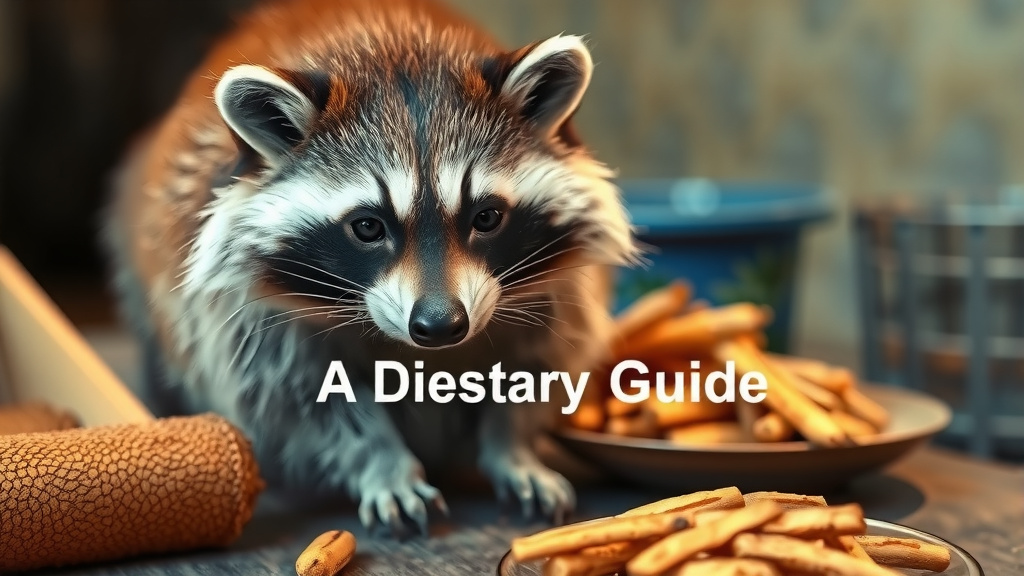
Nourishing Your Pet Raccoon: A Dietary Guide
Understanding what to feed your pet raccoon is key to their health and happiness. These intelligent creatures have specific dietary needs that differ from common household pets. We found that their diet should be a careful balance, mimicking what they’d forage in their natural habitat.
Understanding Raccoon Nutritional Needs
Raccoons are omnivores, meaning they eat both plants and animals. This biological trait is the cornerstone of their dietary requirements. A healthy diet for your pet raccoon needs to include a variety of food groups to ensure they get all the necessary vitamins and minerals.
The Importance of Protein
Protein is a fundamental building block for your raccoon’s body. It supports muscle growth, repair, and overall bodily functions. Many experts say that lean protein should form a good portion of their daily intake.
Good Protein Sources
You can offer a range of protein options. These include cooked chicken or turkey (plain, no spices), eggs (cooked), and some types of fish. We found that small amounts of **high-quality kibble** designed for dogs or cats can also be a supplement. Just be sure it’s grain-free and doesn’t contain artificial colors or preservatives.
What Protein to Avoid
It’s important to avoid feeding your raccoon raw meat, especially poultry. This can harbor harmful bacteria like Salmonella and E. coli. Also, steer clear of processed meats like hot dogs or deli meats. These are often high in sodium and unhealthy fats.
Fruits and Vegetables: Nature’s Candy and More
Fruits and vegetables are vital for providing vitamins, minerals, and fiber. They add moisture and natural sweetness to your raccoon’s diet. Offer a wide array to ensure a broad spectrum of nutrients.
Safe Fruits for Your Raccoon
Most berries are a hit with raccoons. Think blueberries, raspberries, and strawberries. Other good choices include apples (seeds removed), bananas, melons, and peaches. Always remove pits and large seeds from fruits. We found that a varied selection keeps meal times interesting for them.
Recommended Vegetables
Leafy greens are excellent. Spinach, kale, and romaine lettuce are great additions. Raccoons also enjoy root vegetables like carrots and sweet potatoes. Other safe bets include broccoli, green beans, peas, and squash. Always serve vegetables cooked or steamed to make them easier to digest, especially harder ones like carrots or potatoes.
Fruits and Veggies to Skip
Some human foods aren’t good for raccoons. Onions and garlic can be toxic in large amounts. Avocados contain persin, which can be harmful. Canned vegetables are often too high in sodium. Always wash fresh produce thoroughly before offering it.
Grains and Other Healthy Additions
While not the primary focus, small amounts of certain grains can provide needed energy and fiber. They also add variety to the diet.
Safe Grain Options
Cooked oatmeal (plain) is a good choice. Small amounts of cooked rice or quinoa can also be offered. Many experts suggest **limited portions** to avoid them becoming a staple. These should always be prepared without added sugar or salt.
Things to Offer Sparingly
Nuts and seeds can be given as occasional treats. Choose unsalted varieties. A small amount of plain, unsweetened yogurt can also be a nice addition due to its calcium content. However, monitor for any digestive upset.
Foods to Absolutely Avoid
This is perhaps the most critical part of feeding your pet raccoon. Their digestive systems are not designed for many common human foods, which can lead to serious health problems.
The Danger of Processed Foods
Anything high in sugar, salt, or artificial ingredients is a no-go. This includes candy, chips, cookies, bread, and most processed snacks. These items offer little to no nutritional value and can cause obesity, diabetes, and other health issues. We found that feeding them these can be very detrimental to their long-term health.
Toxic Foods for Raccoons
Beyond onions and garlic, certain things are outright poisonous. Chocolate is toxic to many animals, including raccoons. Caffeine is also harmful. Some ornamental plants can be poisonous if ingested, so always research before letting your raccoon nibble on anything new.
Hydration: Don’t Forget the Water!
Just like us, raccoons need constant access to fresh, clean water. Dehydration can quickly lead to serious health problems. Ensure their water bowl is always full and clean. Many experts recommend daily water changes.
Creating a Balanced Daily Meal Plan
Putting it all together is about variety and balance. Aim to offer a mix of protein, fruits, and vegetables daily. Think of it like preparing a balanced plate for yourself!
Here’s a sample of what a day could look like:
- Morning: A portion of cooked chicken or scrambled eggs with a side of mixed berries.
- Midday: Some steamed green beans and a small piece of banana.
- Evening: Plain kibble mixed with cooked sweet potato and a few leafy greens.
We found that observing your raccoon’s preferences and any signs of digestive upset will help you fine-tune their diet. Always consult with a veterinarian experienced with exotic animals for personalized advice.
A Quick Checklist for Raccoon Feeding Success
Here’s a handy list to keep your feeding routine on track:
- Offer a variety of lean protein sources daily.
- Include a mix of safe fruits and vegetables.
- Ensure constant access to fresh water.
- Avoid all processed human foods and sugary treats.
- Introduce new foods slowly and monitor for reactions.
- Consult with an exotic animal vet regularly.
Conclusion
You’ve learned that feeding your pet raccoon means providing a diverse and balanced diet. By focusing on lean proteins, safe fruits and vegetables, and a few healthy grains, you can mimic their natural eating habits. Remember to always prioritize fresh water and steer clear of processed human foods. Your commitment to a proper diet ensures your raccoon thrives. Now, you’re well-equipped to create a meal plan that supports your raccoon’s health and happiness!
Frequently Asked Questions
How much should I feed my pet raccoon each day?
The exact amount can vary based on your raccoon’s age, size, and activity level. Generally, aim for a diet composed of about 50% protein, 25% fruits, and 25% vegetables. Consult with an exotic animal veterinarian to determine the best portion sizes for your specific pet.
Can I give my pet raccoon treats?
Yes, you can offer treats sparingly. Small amounts of unsalted nuts or seeds, or plain, unsweetened yogurt can be given occasionally. Always introduce new treats slowly and monitor your raccoon for any signs of digestive upset.
Is it okay to feed my raccoon store-bought baby food?
Some plain, meat-based baby foods without added salt or seasonings can be an occasional supplement. However, it’s not a complete diet and should not be the main food source. Always check the ingredients carefully to ensure they are safe for raccoons.
What are the signs of an unhealthy diet in a pet raccoon?
Look out for symptoms like lethargy, poor coat quality, diarrhea, or constipation. Weight gain or loss that isn’t explained by other factors can also be an indicator. If you notice any of these signs, it’s time to re-evaluate their diet with your vet.
How often should I change my pet raccoon’s water?
Fresh, clean water should be available at all times. It’s best practice to change their water at least once daily, or more often if the bowl becomes dirty. Raccoons can be messy, so regular checks are important for their hydration.